
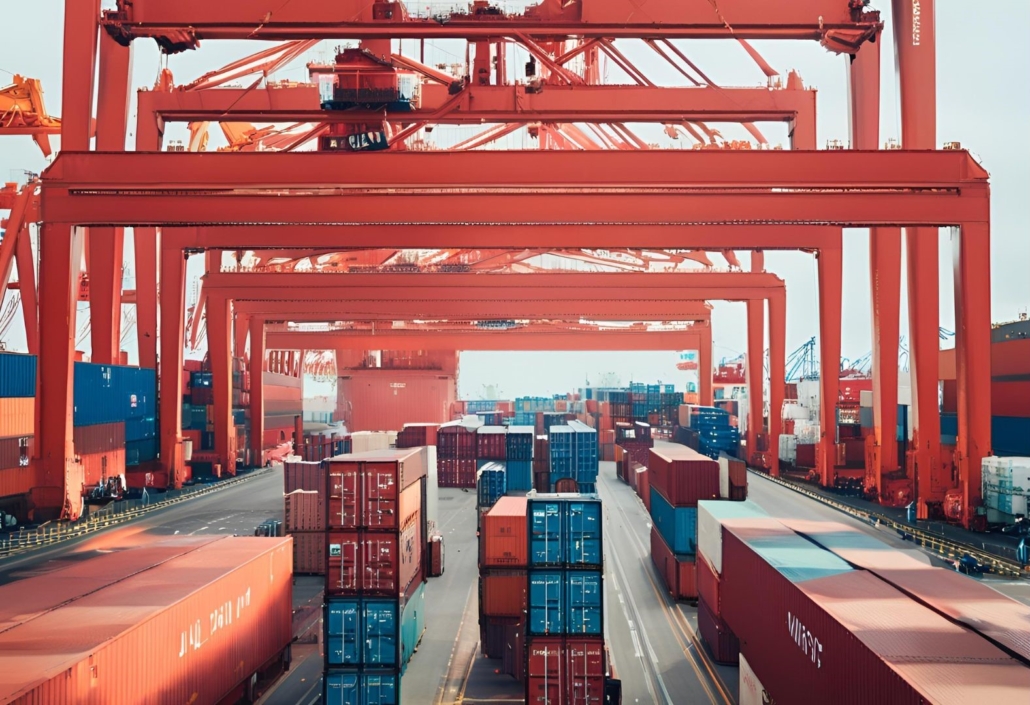
Welcome to our latest Market Watch update, where we dive into the dynamic world of sea and air freight. As we entered May 2024, the landscape shifted quickly with the implementation of blank sailings and early signs of peak season activity. From potential rate increases driven by surging demand to updates on Panama Canal transit, we cover the key developments shaping the industry. Join us as we explore the impact of blank sailings, potential strike actions, and port operations on both coasts — and what it all means for your supply chain strategy.
Managing these volatility cycles requires the right tools and visibility. Our supply chain visibility software and Control Tower platform help importers and exporters stay ahead of shifting market conditions in real time.
Quantify your exposure in 20 minutes
Our trade strategists run your last 90 days of entries through Captain to surface refund eligibility, Section 232 traps and PNTR risk.
Ocean Freight: Asia to North America
The Asia-to-North America trade lane experienced significant pressure in May, driven by a convergence of holiday-related blank sailings, early peak season demand, and ongoing capacity constraints from Red Sea rerouting.
Blank Sailings and Rate Pressure
May Day celebrations across Asia and most of the world prompted carriers to implement blank sailings, tightening already constrained capacity. New contracts taking effect May 1st, combined with what many were calling a restocking cycle for retailers — an early peak — created demand and potential overbookings for the first half of May. There was potential for another General Rate Increase (GRI) of $1,000 as of May 14th.
Rerouting around the Cape of Good Hope continued to absorb most of the new build capacity entering the market, with overall market capacity down approximately 4% year-over-year.
- 26 blank sailings were scheduled for May, reducing available space on key trade lanes.
- A Peak Season Surcharge (PSS) was anticipated to apply to new fixed-rate contracts, narrowing the wide gap between spot and fixed-rate markets.
- Carriers were expected to prioritize higher-paying cargo, putting contract shippers at risk of being rolled in favor of spot market freight.
- A potential strike on the Canadian West Coast was causing significant rerouting and elevated demand for U.S. West Coast sailings.
These dynamics are a strong reminder of why proactive supply chain risk management is essential — not optional — for importers relying on Asia-origin shipments.
Contract Market Outlook
Beneficial cargo owners (BCOs) and freight forwarders negotiating 2024-2025 annual contracts faced a complex environment. The wide spread between spot and fixed rates made contract negotiations particularly challenging, with carriers attempting to lock in higher base rates before peak season further inflated spot pricing. Shippers who delayed contract decisions risked exposure to sharply higher spot rates by Q3.
Panama Canal: Expanding Capacity
After months of severe drought-related restrictions, the Panama Canal Authority (ACP) announced meaningful progress toward restoring normal operations.
Transit Allowances Increasing
Starting in the second half of May, the ACP announced it would allow 31 ships to transit the canal daily, up from 24 ships during the first half of May. The number was set to increase further to 32 ships per day by the start of June. While the canal remained restricted to ships with a 44-foot draft, the increase in daily slots meant more large vessels could transit — a meaningful relief for trans-Pacific trade lanes that had been increasingly reliant on Cape of Good Hope rerouting.
For shippers evaluating route options, our trade advisory services team monitors canal restrictions and rerouting cost implications continuously.
U.S. Port Updates
Domestic port conditions in May varied significantly by location, creating both opportunity and congestion challenges for cargo owners.
Port of Baltimore
Following the Francis Scott Key Bridge collapse in late March, the Port of Baltimore was working toward resuming normal operations by the end of May. The phased restoration of temporary channels was progressing ahead of schedule, and the first container ship had already arrived at the port — described as “another milestone” in the recovery effort. Full capacity restoration remained the goal heading into summer.
LA/Long Beach Ports
Rail container dwell times at the Los Angeles-Long Beach terminals increased steadily through the first quarter of 2024:
- January: 4.2 days average dwell time
- February: 6.26 days average dwell time
- March: 7.02 days average dwell time
According to the Pacific Merchant Shipping Association (PMSA), the steady rise reflected the import surge from Asia putting pressure on intermodal rail infrastructure. Shippers with time-sensitive cargo were advised to explore chassis availability and pre-plan inland moves well in advance.
Audit your derivative HTS exposure
Our brokers will review your top 50 derivative HTS lines and flag Section 232 valuation risk before CBP does.
Asia to Europe: Tight Market Conditions
Vessel utilization into Europe remained high heading into May. Markets anticipated further bullishness as inventory restocking began, container equipment shortages persisted, and diversions around Southern Africa continued. Adverse weather conditions added further complexity to an already strained trade lane.
Carriers were rolling NAC (Named Account Contract) containers in favor of higher spot market freight — no surprise given the carrier focus on maximizing revenue per TEU. A second GRI attempt was anticipated for May 14th on Asia-Europe routes as well.
Air Freight: E-Commerce Keeps Volume Elevated
The air cargo market in May reflected a continuation of trends that had defined 2024: strong volume growth, elevated rates, and structural demand driven by e-commerce.
E-Commerce as the Structural Driver
E-commerce continued to support year-on-year volume growth across both the Asia-to-Europe and Asia-to-North America markets. Chinese platforms driving demand for fast, direct-to-consumer delivery created sustained pressure on available belly and freighter capacity from key Asian origin points.
For cargo that cannot wait on slower ocean lanes, the comparison between air vs. ocean freight becomes more nuanced during periods of ocean disruption — when elevated air rates may be offset by the cost of delays, lost sales, or inventory shortfalls.
Key Air Freight Developments in the Period
- China export surge: A weak Chinese yuan and domestic deflation accelerated export volume from Chinese manufacturers, amplifying demand across both ocean and air freight.
- Alternative fuel shipping: Methanol-powered tanker orders rose sharply, with alternative fuel newbuilding contracts up 48% in the first four months of 2024 per data from DNV.
- Electric container shipping: China’s COSCO launched the world’s largest fully electric container ship, the Greenwater 01, operating between Shanghai and Nanjing — a signal of long-term decarbonization ambitions in the shipping industry.
- Red Sea security: Houthi attacks continued against commercial vessels in the Indian Ocean and Red Sea, with the MSC Orion among targeted ships. The ongoing disruption maintained pressure on sea freight capacity and costs, keeping cargo diverting to air freight alternatives.
Strategic Takeaways for Shippers
The May market environment underscored several enduring principles for importers and exporters managing global supply chains:
- Secure capacity early: Blank sailing seasons reward shippers who book ahead and maintain strong carrier relationships.
- Evaluate fixed vs. spot strategically: With a wide spread between contract and spot rates, the right answer depends on volume predictability and risk tolerance.
- Diversify port options: The LA/LB congestion and Baltimore recovery highlight the value of having contingency port and routing plans.
- Monitor canal conditions: Panama Canal slot availability directly affects transit times and routing economics on key trades.
- Use a freight consolidation strategy: For smaller shippers, a solid freight consolidation guide can help optimize costs during high-rate periods.
Questions? All you have to do is contact us.