Freight consolidation is a strategic shipping solution gaining traction among businesses seeking to optimize their logistics operations and reduce per-unit transportation costs. By bundling shipments from multiple customers into a single container or truckload, freight consolidation offers a cost-effective, efficient, and increasingly sustainable way to transport goods across borders. This guide addresses the key questions businesses need answered to determine when and how freight consolidation is the right choice — and what to watch out for along the way.
Whether you’re a growing e-commerce brand, an industrial supplier, or an importer managing complex trade lanes, understanding the mechanics and tradeoffs of consolidated freight helps you make smarter decisions about your shipping strategy. Pair this knowledge with CargoTrans’ supply chain visibility software to monitor consolidated shipments with the same transparency you’d expect from a dedicated container.
Quantify your exposure in 20 minutes
Our trade strategists run your last 90 days of entries through Captain to surface refund eligibility, Section 232 traps and PNTR risk.
What Is Consolidation and How Does It Work?
Freight consolidation is one of the most important concepts in international logistics, yet it’s often misunderstood. Understanding the process end-to-end helps businesses set realistic expectations and prepare their shipments correctly.
The Core Mechanics of Freight Consolidation
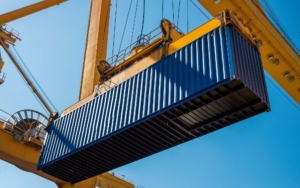
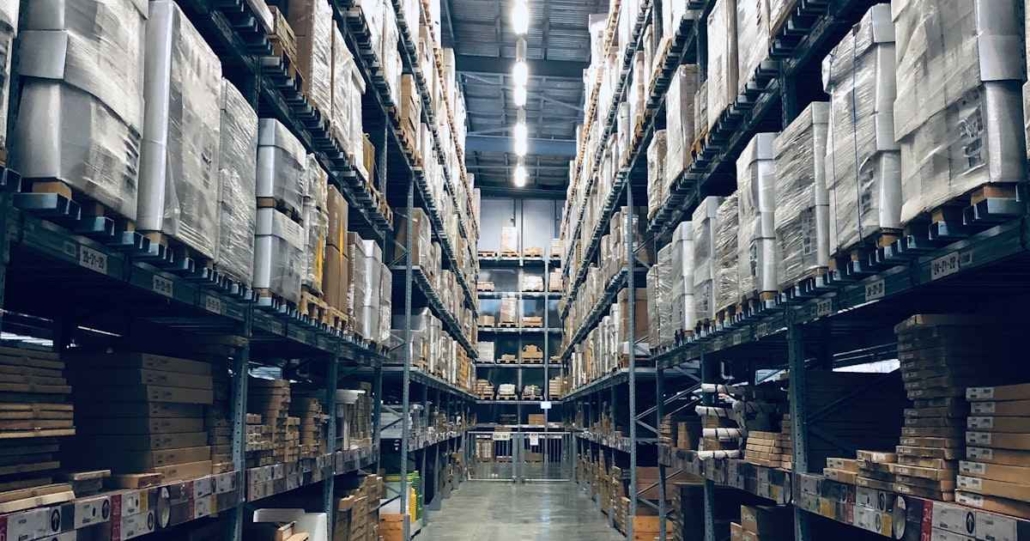
Freight consolidation combines smaller shipments from multiple shippers into a single larger load. Instead of shipping partial loads individually — each as an expensive, underutilized LCL container — businesses pool their freight with the help of a logistics provider. This shared approach allows for better utilization of space, more efficient routing, and lower per-unit transportation costs for all participating shippers.
The process typically follows these steps:
- Individual shippers deliver their cargo to an origin consolidation warehouse or freight station.
- The logistics provider inspects, weighs, and organizes the incoming freight from all participating shippers.
- Goods are palletized or crated as needed and loaded together into a shared container or truck.
- The consolidated shipment moves as a single unit to the destination port or delivery hub.
- At the destination, the load is deconsolidated — the shared container is opened and individual consignments are sorted for final delivery to each shipper’s recipient.
This system streamlines logistics operations, reduces costs through shared economies of scale, and minimizes environmental impact by maximizing the utilization of each vessel or truck in the freight network. Businesses that use CargoTrans’ Control Tower platform can monitor their consolidated shipment’s progress through every stage of this process.
LCL vs. FCL: Understanding the Key Distinction
Most conversations about freight consolidation center on ocean freight, specifically the difference between LCL (Less than Container Load) and FCL (Full Container Load):
- LCL Consolidation: Multiple shipments share container space. This is the classic consolidated freight model — cost-effective for smaller loads (typically under 15 CBM) but involves more handling at origin and destination consolidation points.
- FCL: A single business uses the entire container. Ideal for larger loads with faster transit times and lower risk of cargo damage due to fewer handling touchpoints. Better suited when your volume justifies the full-container commitment.
The right choice depends on your shipment volume, timeline flexibility, and budget. Your logistics provider should help you model total landed costs for both options before making a decision.
How Can Pallet Consolidation Reduce Shipping Costs?
Cost reduction is typically the primary driver behind a decision to use freight consolidation. By sharing transportation resources, businesses benefit from reduced costs across multiple categories simultaneously:
- Lower Shipping Rates: Shipping a fully consolidated container is often significantly less expensive per unit than booking individual LCL shipments through spot rates.
- Fuel Efficiency: Consolidating shipments cuts down on fuel consumption per unit shipped, decreasing overall transportation costs and contributing to sustainability goals.
- Minimized Administrative Fees: Combining shipments reduces the total number of bookings, bills of lading, and customs entries required — lowering associated administrative costs.
- Reduced Handling Costs: Fewer individual shipment movements through the freight network mean fewer handling charges and a reduced risk of cargo damage in transit.
For businesses subject to Section 301 tariffs or Section 232 tariffs, keeping base transportation costs as low as possible is especially critical to maintaining competitive margins. Use CargoTrans’ tariff calculator to model how tariff duties layer on top of your consolidation freight costs before finalizing your pricing strategy.
When Is the Best Time To Use Freight Consolidation?
Freight consolidation isn’t the right solution for every shipment — but it’s the optimal choice far more often than many businesses realize. Knowing when to consolidate versus when to ship differently is a core competency for any logistics manager dealing with supply chain challenges.
Ideal Scenarios for Consolidation
Pallet consolidation works best in the following scenarios:
- Small or Medium Shipment Volumes: Ideal for businesses with LTL (Less than Truckload) or LCL loads — typically when a single shipment fills less than a full truck or container.
- Flexible Delivery Timelines: Consolidated shipping may take slightly longer than dedicated full loads, so it’s better suited for non-urgent or planned inventory replenishment shipments.
- Cost Savings as a Priority: When reducing landed cost per unit is more important than speed, consolidation typically delivers the best financial outcome.
- Regular, Predictable Shipping Patterns: Businesses that ship on a regular schedule — weekly or monthly — can optimize consolidation by timing shipments to match departure schedules from origin ports.
- New Trade Lane Development: When testing a new supplier or market before committing to full-container volumes, consolidation provides a low-risk way to validate the lane’s economics.
When to Consider Alternative Solutions
Consolidation may not be the best fit in these circumstances:
- Time-sensitive or perishable goods that cannot tolerate extended transit windows.
- Hazardous materials requiring specialized handling or segregation from general cargo.
- Oversized or project cargo that can’t be efficiently palletized alongside standard freight.
- High-value goods where the additional handling risk of deconsolidation outweighs the cost benefit.
Are There Size or Weight Limitations for Freight Consolidation?
Freight consolidation has practical size and weight parameters that shippers should understand before booking. Individual shipments need to fit within the shared container or truck without exceeding legal weight limits or creating loading inefficiencies that affect other shippers in the same load.
Logistics providers typically specify:
- Maximum Weight Limits: Based on the container or truck’s legal capacity and the regulations of the origin and destination countries.
- Size Restrictions: Cargo must be palletized or packaged appropriately to ensure efficient, safe loading alongside other shippers’ freight.
- CBM Thresholds: Most consolidators consider shipments above 15–20 CBM as candidates for FCL, since at that volume the cost difference narrows considerably.
For unusually large or heavy items, alternative shipping solutions like dedicated full truckloads, flatbed transport, or break-bulk shipping may be necessary.
How Does Freight Consolidation Impact Delivery Times?
Delivery time is one of the most common concerns businesses raise when evaluating consolidation. While transit times can be modestly extended compared to dedicated FCL, the impact is usually manageable with proper planning.
Delays in consolidated freight typically arise from:
- Waiting for Full Loads: The consolidation process requires collecting freight from multiple shippers before the container can depart, which can add days to the overall timeline depending on departure frequency.
- Customs Clearance: If a consolidated shipment is flagged at the port, the entire container may be held for inspection, potentially delaying all participating shippers — not just the one with the issue.
- Deconsolidation Time: At the destination, the container must be broken down and individual consignments sorted before onward delivery, adding a final processing step to the transit timeline.
Businesses must weigh these factors against cost savings and determine if the timeline fits their operational needs. Working with a provider that offers real-time tracking across ocean, air, and land freight helps teams proactively manage customer expectations during consolidated shipment transit.
What Are the Risks of Consolidated Shipments and How Do I Manage Them?
Like any shipping method, freight consolidation comes with inherent risks. Understanding these risks — and how to mitigate them — is essential to getting the most out of your consolidation strategy.
Primary Risk Categories
While consolidation offers numerous benefits, the following risk areas require active management:
- Customs Delays: Consolidated shipments are cleared as a single unit. One flagged item can delay the entire container, affecting all participating shippers. Strong documentation practices are your best defense.
- Increased Handling: More touchpoints — origin warehouse, loading, deconsolidation — increase the chance of damage or loss compared to a dedicated FCL container that’s sealed at origin and opened at destination.
- Delivery Coordination Issues: Miscommunication during deconsolidation at the destination can lead to missed or delayed final-mile deliveries. Choose a logistics provider with robust deconsolidation processes and clear communication protocols.
Mitigating these risks requires working with experienced logistics providers who prioritize supply chain risk management, real-time tracking, cargo security, and compliance at every stage of the consolidated shipment lifecycle.
Risk Mitigation Best Practices
- Use appropriate packaging with corner protection, stretch wrap, and clear labeling on all consolidated pallets.
- Ensure complete, accurate documentation for every shipment included in the consolidated load.
- Work with a customs broker experienced in your destination markets to pre-clear shipments where possible.
- Purchase marine cargo insurance that specifically covers LCL consolidated shipments.
- Monitor shipment progress through your provider’s real-time tracking system.
How Does Freight Consolidation Affect Customs Clearance and Duties?
Customs clearance for consolidated freight has some unique characteristics compared to dedicated container shipments. The entire consolidated container is typically presented to customs as a single entry under a master bill of lading, but each individual shipper’s goods are covered by a separate house bill of lading and their own customs documentation.
This structure means:
- Potential Delays from Others: If any one shipper’s goods in the container raise questions during customs examination, the entire load may be held until the issue is resolved.
- Shared Inspection Costs: Additional duties, exam fees, or devanning costs incurred during a customs hold are typically shared among all shippers in the consolidated load.
- Documentation Accuracy is Non-Negotiable: Every shipper’s documentation must be complete and accurate. A single error from one participant can create delays for everyone else in the container.
Businesses can minimize customs-related issues by working with a logistics partner experienced in compliance and by consulting CargoTrans’ trade advisory services for guidance on destination-country requirements. The U.S. Customs and Border Protection website provides current guidance on import requirements and entry procedures for goods arriving in the United States.
Can Freight Consolidation Help Improve My Overall Supply Chain Efficiency?
Yes — when implemented correctly, freight consolidation is not just a cost-saving tactic. It can be a strategic pillar of a more efficient, resilient supply chain operation. The benefits extend well beyond the per-shipment savings.
Consolidation enhances supply chain efficiency by:
- Optimizing Routes: Combining shipments from multiple origins into single loads allows logistics providers to use more direct, efficient transportation corridors with better vessel utilization.
- Reducing Vendor Fragmentation: Fewer individual shipments reduce the need to manage multiple carriers, booking systems, and tracking platforms simultaneously.
- Streamlining Documentation: Consolidated freight reduces total paperwork volume, making compliance management more tractable for lean logistics teams.
- Supporting Sustainability Goals: Maximizing container utilization directly reduces carbon emissions per unit shipped — a measurable contribution to corporate ESG targets. The International Maritime Organization continues to set ambitious decarbonization targets for ocean freight; consolidation is one of the most accessible ways for individual businesses to contribute.
Over time, these benefits compound into smoother, more predictable logistics operations that support stronger customer relationships and more resilient supply chains.
Audit your derivative HTS exposure
Our brokers will review your top 50 derivative HTS lines and flag Section 232 valuation risk before CBP does.
How Do I Choose the Right Logistics Provider for Consolidation?
Selecting the right logistics provider is the single most important decision in your freight consolidation strategy. The wrong partner can negate the cost savings through inefficiency, delays, or poor cargo handling. The right partner amplifies the benefits and manages risk proactively on your behalf.
What to Look for in a Consolidation Partner
Evaluate potential providers against these criteria before committing:
- Experience in Your Industry and Trade Lanes: Providers familiar with your specific markets understand the regulatory nuances, seasonality, and carrier relationships that drive performance on your key lanes.
- Advanced Tracking Technology: Real-time visibility into consolidated shipment status is non-negotiable. Ensure the provider’s platform integrates with your internal systems or offers a robust shipper portal.
- Customs Expertise: Providers well-versed in international regulations and customs requirements can minimize clearance delays and protect you from compliance penalties.
- Scalable Services: As your business grows, your logistics provider should accommodate increasing shipping volumes, additional trade lanes, and more complex supply chain configurations without requiring a full provider switch.
- Transparent Pricing: All-in rate quotes that clearly separate ocean freight, origin handling, customs, and destination fees allow for accurate total landed cost modeling.
- Cargo Security Standards: Verify that the consolidation warehouse and transportation operations meet industry security standards to protect your goods throughout the process.
Greener Logistics: The Environmental Impact of Consolidation
Consolidation doesn’t just save money — it’s also one of the most practical and immediately actionable steps businesses can take to reduce their logistics-related carbon footprint.
Reduced Fuel Emissions Through Better Utilization
Every truck or shipping container that operates below capacity burns fuel without proportional output. Consolidating shipments ensures maximum utilization of transport space, which means fewer vehicles are needed to move the same volume of goods. This reduces total fuel consumption and associated greenhouse gas emissions across the freight network.
Less Packaging Waste
Individual shipments often require separate protective packaging, generating significant material waste. Consolidation minimizes this by combining goods into shared pallets or containers with standardized packaging requirements, reducing the total volume of cardboard, plastic wrap, and other single-use materials required per unit shipped.
Supporting Corporate Sustainability Goals
For businesses that have made commitments to reduce Scope 3 emissions — which include transportation in most accounting frameworks — freight consolidation provides a measurable, reportable mechanism for achieving progress. This commitment can be highlighted in corporate sustainability reporting and strengthens brand reputation among environmentally conscious customers and partners.
Ship Smart, Save Big: Get Started With CargoTrans Consolidation Services
Don’t let inefficient individual LCL shipments drain your logistics budget. With CargoTrans’ freight consolidation services, you benefit from the buying power of a high-volume freight network, the expertise of experienced customs and compliance professionals, and the real-time visibility of our Captain platform — all working together to make your international shipping smarter and more cost-effective.
Connect with CargoTrans today to evaluate whether freight consolidation is the right solution for your current trade lanes, and take the next step toward a more profitable and resilient supply chain operation.