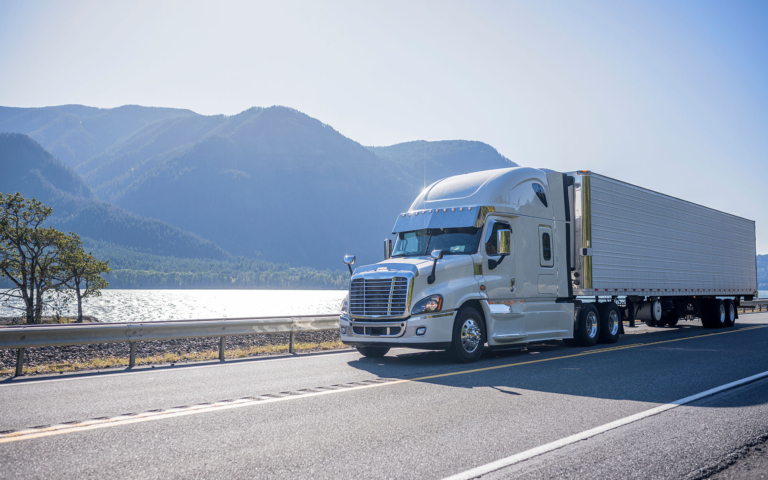
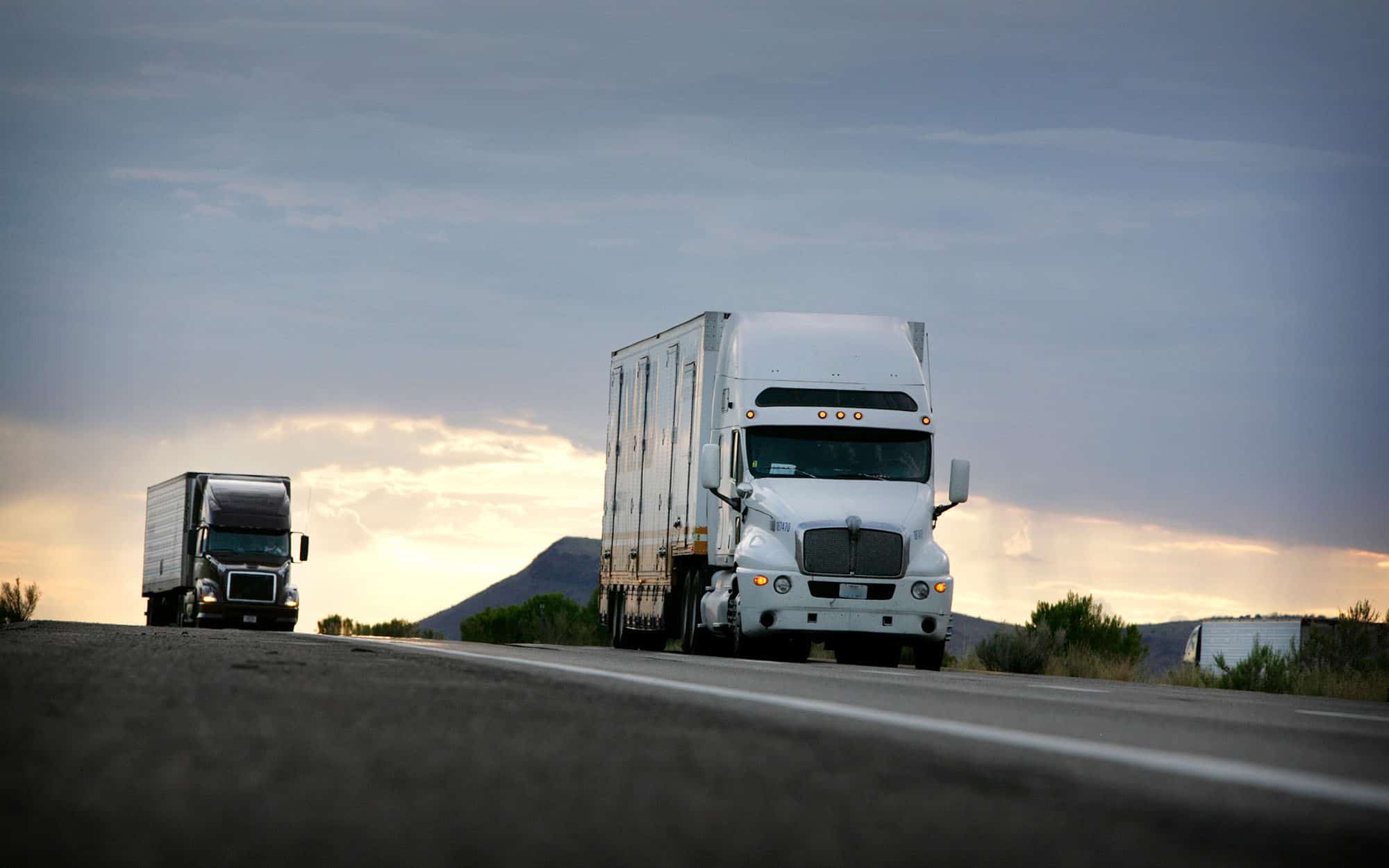
When a load fills a trailer or has to land on time and untouched, CargoTrans books dedicated equipment and covers the lane. You get one shipper, one trailer, and the fastest door-to-door transit a truck can run.
Truckload freight services put your shipment on its own trailer, moving straight from pickup to delivery with no terminal stops. That means the fastest transit, the least handling, and a rate that makes sense once a load is heavy or dense enough to justify the whole truck.
The break point is usually around ten or more pallets, freight over roughly 15,000 pounds, or cargo fragile enough that terminal handling is a risk. Below that, a shared LTL trailer often costs less, and the smallest shipments move cheaper as optimized parcels, which is why we size every load first at the domestic freight transportation desk.
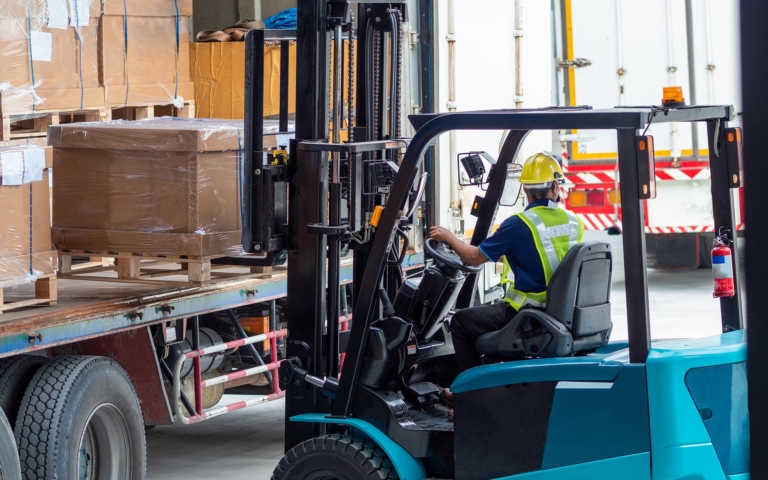
CargoTrans covers dry van, refrigerated, and flatbed lanes across all 48 states, blending contract lanes with spot coverage so a truck shows up even when the market is tight and everyone else is scrambling for equipment. Loading a full trailer lets you maximize capacity and minimize handling on every move.
10+
pallets typical break point
45k
lbs legal payload ceiling
48
contiguous states covered
Free Rate Benchmark
Talk to a Truckload Specialist
Quick 30-min call to price your lanes. No obligation.
We reply within 1 business day · Your data stays private.
Capabilities
Our Truckload Freight Services Capabilities
Six capabilities our truckload team uses to match the right trailer to your freight and keep dedicated lanes covered.
01
Dry Van
The workhorse trailer for packaged, palletized, and floor-loaded freight that needs weather protection.
53-foot standard capacity
Palletized or floor-loaded
Sealed for security
Nationwide lane coverage
02
Refrigerated
Temperature-controlled trailers for food, pharma, and any cargo with a cold-chain requirement.
Set-point temperature control
Continuous reefer monitoring
Food and pharma grade
03
Flatbed and Specialized
Open-deck equipment for oversized, heavy, or awkward loads that will not fit a van.
Flatbed, step-deck, RGN
Tarping and securement
Permit and escort support
04
Dedicated Lanes
Committed trucks and pricing on your recurring high-volume lanes, insulated from spot swings.
Locked capacity and rate
Recurring lane commitments
Predictable weekly schedules
05
Expedited and Team
Single-driver expedited or two-driver team service when the freight cannot wait.
Team drivers, nonstop transit
Coast-to-coast in 2-3 days
Hot-load same-day coverage
06
Spot Coverage
Vetted spot carriers for surge volume, seasonal peaks, and one-off lanes off your contract grid.
A truckload rate swings with lane balance, fuel, and how far ahead you tender. A quick benchmark against current market rates usually shows exactly where your lanes are priced high and where dedicated capacity would pay off.
CargoTrans prices your lanes and covers the trucks with cost-effective FTL solutions.
Free 30-minute lane review with a truckload specialist
Dry van, refrigerated, and flatbed rate benchmarks
Dedicated and spot capacity across all 48 states
Live tracking and freight-bill audit on every load
A CargoTrans specialist will benchmark your lanes and flag where dedicated capacity lowers cost.
Protected by reCAPTCHA. We respond within 1 business day. No spam, ever.
Control Tower
Truckload Freight Tracked Live to the Door
Our control tower software tracks each truckload live from pickup to delivery, with location, ETA, and reefer temperature on one screen so your team stops calling drivers for status.
Configurable alerts flag a late pickup, a detention risk, or a slipping ETA early enough to reroute or reschedule receiving, which protects your dock schedule and your downstream production plan.
We audit every truckload invoice against the tendered rate, so detention, layover, and fuel accessorials are verified against the bill of lading and driver logs before the charge ever reaches your freight bill.
Because a full truckload minimizes touchpoints and transfers, handling damage is rarer to begin with; when a load still arrives damaged or short, we document and file the claim against the delivery record and photos, turning carrier accountability into a repeatable process instead of a phone fight after the fact.
What are truckload freight services and when do I need them?
Truckload freight services dedicate an entire trailer to a single shipper, moving straight from pickup to delivery with no terminal stops in between. You need them when a shipment fills or nearly fills a trailer, weighs more than roughly 15,000 pounds, requires temperature control, or is fragile enough that extra handling raises the risk of damage. Because the freight never gets unloaded and reloaded at a terminal, transit is faster and claims are rarer than modes that pool multiple shippers on one trailer. CargoTrans sizes each shipment first, then books dry van, refrigerated, or flatbed equipment and sources a vetted carrier for the lane, blending contract and spot coverage so a truck shows up even in a tight market.
How much weight and how many pallets fit in a full trailer?
A standard 53-foot dry van holds about 26 standard pallets in a single stack, or roughly 52 if the freight double-stacks safely. Legal payload runs up to about 45,000 pounds once you subtract the tractor and trailer from the 80,000-pound gross vehicle weight limit on interstate highways. Refrigerated trailers carry slightly less because insulation and the cooling unit add weight and take interior space. Flatbeds are governed by legal width, height, and axle limits rather than enclosed volume, so oversized loads may need permits. CargoTrans confirms weight, dimensions, and equipment type before quoting, because a load that scales over legal weight or needs a permit changes both the rate and the transit plan.
What is the difference between dry van, reefer, and flatbed equipment?
Dry van is the enclosed 53-foot trailer that handles most packaged and palletized freight needing weather protection and security. Refrigerated equipment, often called a reefer, adds a temperature-control unit for food, pharmaceuticals, and anything with a cold-chain requirement, holding a set point through transit with continuous monitoring. Flatbed and open-deck equipment, including step-deck and removable gooseneck trailers, carry oversized, heavy, or awkward loads that cannot fit inside a van, such as machinery, building materials, or coils, and require tarping and securement. CargoTrans runs all three under one desk, so a shipper with mixed freight can book every trailer type from one point of contact rather than chasing three different carriers.
How are truckload rates set and why do they move?
A truckload rate is priced by the mile for a specific lane and reflects supply and demand for trucks on that route at that moment. The main drivers are lane balance, which is whether trucks are plentiful or scarce in the origin market, fuel cost, equipment type, seasonality, and how far ahead you tender the load. A lane with lots of outbound freight but little inbound freight costs more because the carrier has to reposition an empty truck. Rates spike during produce season, before holidays, and after weather events. CargoTrans benchmarks your lanes against current market data, so you can see when a rate is high and whether a dedicated commitment would smooth out the volatility.
What are detention, layover, and accessorial charges?
Accessorials are fees for services beyond simple pickup and delivery, and on truckload they mostly relate to a driver's time. Detention is charged when a driver waits beyond the free window, usually two hours, to get loaded or unloaded at your dock. Layover applies when a driver is held overnight, often because a facility cannot receive the same day. Other common charges include truck-ordered-not-used when a booked load cancels, driver-assist unloading, tarping on flatbeds, and permits or escorts on oversized freight. These add up quickly, so CargoTrans quotes them up front and audits each invoice against the driver's logs and the bill of lading, catching charges billed in error before they hit your freight bill.
How long does full truckload transit take across the country?
A single driver on a full truckload move covers roughly 500 to 550 miles a day, limited by federal hours-of-service rules that cap driving time and require rest breaks. That puts a coast-to-coast run around 2,800 miles at about five to six days with one driver. Team service, where two drivers alternate so the truck barely stops, cuts the same coast-to-coast run to two or three days. Regional lanes under 500 miles often deliver next day. Because truckload moves point to point with no terminal handling, transit is both faster and more predictable than modes that route through sort facilities. CargoTrans confirms a realistic delivery window at booking based on distance, hours-of-service, and whether you need single or team drivers.
What is a dedicated lane and when does it make sense?
A dedicated lane is a standing commitment where a carrier reserves trucks for your recurring route at an agreed rate, rather than you re-sourcing a truck on the open market every shipment. It makes sense when you run consistent volume on the same lane week after week, when that lane is critical to production or customer commitments, or when spot-market swings on the route have burned you before. The payoff is predictable capacity and pricing: your trucks are committed even during seasonal peaks, and your budget stops riding the spot roller coaster. CargoTrans sets up dedicated programs on your highest-volume lanes while keeping spot coverage available for surge and one-off freight, so you get stability where it matters without overcommitting the rest.
How does CargoTrans vet truckload carriers before hauling my freight?
Every carrier is checked before it ever touches your freight. We verify active operating authority with the FMCSA, confirm cargo and liability insurance meets the coverage your commodity requires, and review safety scores and inspection history for red flags. Once a carrier is approved, it carries a performance scorecard we track on on-time pickup, on-time delivery, communication, and claims, so a carrier that slips gets fewer loads. This matters most with spot coverage, where an unvetted truck is the biggest source of theft, damage, and no-shows. CargoTrans keeps a base of proven contract carriers for your steady lanes and layers in vetted spot capacity for surges, so you are never gambling your freight on an unknown truck to cover a gap.
Can CargoTrans handle both my truckload freight and other modes?
Yes. Truckload is one mode inside a broader domestic program, and running it alongside your other freight under one team is where the operational savings show up. When volumes drop below a full trailer, we can shift that freight to less-than-truckload shipping without you re-keying the order or calling a different broker, and everything lands on one freight-spend report. For a shipment that starts or ends overseas, we tie the truckload leg to our international network so the load stays with one provider from origin to final delivery. CargoTrans manages every domestic mode through one managed TMS, so booking, tracking, billing, and audit all live in one place regardless of how the freight moves.
What is a fuel surcharge and how much of a truckload rate is fuel?
A truckload rate is built from two main parts: a linehaul rate for the miles and a fuel surcharge that floats with diesel prices. The linehaul reflects lane balance, equipment, and how far ahead you book. The fuel surcharge is usually tied to the national diesel average the Department of Energy publishes each week, applied as a per-mile amount that rises and falls with the pump, so the same lane can quote differently week to week purely on fuel. Depending on diesel prices, fuel can run anywhere from a fifth to a third of the all-in rate on a long haul. CargoTrans breaks the linehaul and fuel apart on every quote, so you can see what is lane pricing and what is simply the current cost of diesel.
What happens if a booked truck cancels or the driver runs out of hours?
If a booked truck cancels or a driver runs out of federal hours before completing the run, the load has to be re-covered, and how fast that happens depends on the carrier base behind it. Because CargoTrans blends contract carriers on your steady lanes with a vetted spot pool, a cancellation can usually be re-sourced the same day rather than leaving the freight stranded. Hours-of-service rules cap driving time and force rest breaks, so a driver who hits the limit legally has to stop; on a tight delivery this is where team service, with two drivers alternating, keeps the truck moving. Live tracking flags the problem early, and we quote a realistic delivery window at booking that already accounts for hours-of-service, so surprises are rare.
At what point does a full truckload cost less than shipping the same freight as LTL?
The tipping point is usually around six to ten pallets or roughly 12,000 to 15,000 pounds, but it moves with lane, fuel, and how the shared-trailer market is pricing that week. Below that, freight riding a shared trailer generally costs less per unit because you only pay for the space you use. Above it, dedicating the whole trailer wins on both cost and transit, since the load moves straight through with no terminal handling. Fragility and time also push toward a full trailer even when the weight is modest, because a load that stays on one truck is handled once instead of sorted at every hub. CargoTrans prices the same shipment both ways when it sits near the break-even, so the mode is a math decision rather than a habit.
What documents and information do I need to book a truckload shipment?
To book a full truckload you need the pickup and delivery addresses with contact details, the commodity, the total weight, the trailer type, and any appointment or receiving requirements at each end. If the freight needs temperature control, the set point goes on the order; if it is oversized, the dimensions determine whether a permit is required. Once the load is tendered, two documents govern it: the rate confirmation, which locks the agreed price and equipment with the carrier, and the bill of lading, which travels with the driver and records the shipper, consignee, commodity, and piece count. A signed delivery receipt closes it out. CargoTrans prepares the rate confirmation and bill of lading and confirms appointments up front, so the driver arrives with the right paperwork.
How do I arrange expedited or same-day coverage for an urgent full truckload?
When a shipment cannot wait for standard transit, there are two levers. Expedited single-driver service prioritizes the load and runs it with minimal dwell, and team service puts two drivers on the truck so it barely stops, cutting a coast-to-coast run from five or six days to two or three. For genuine emergencies, a hot-load booking sources the nearest available truck for same-day pickup. All of these price at a premium over standard service because you are buying dedicated speed and reserving capacity on short notice. CargoTrans keeps expedited and team capacity available alongside the contract base, so an urgent lane can be covered quickly, and we confirm a firm pickup and delivery window at booking rather than leaving the timing open on freight that genuinely cannot slip.