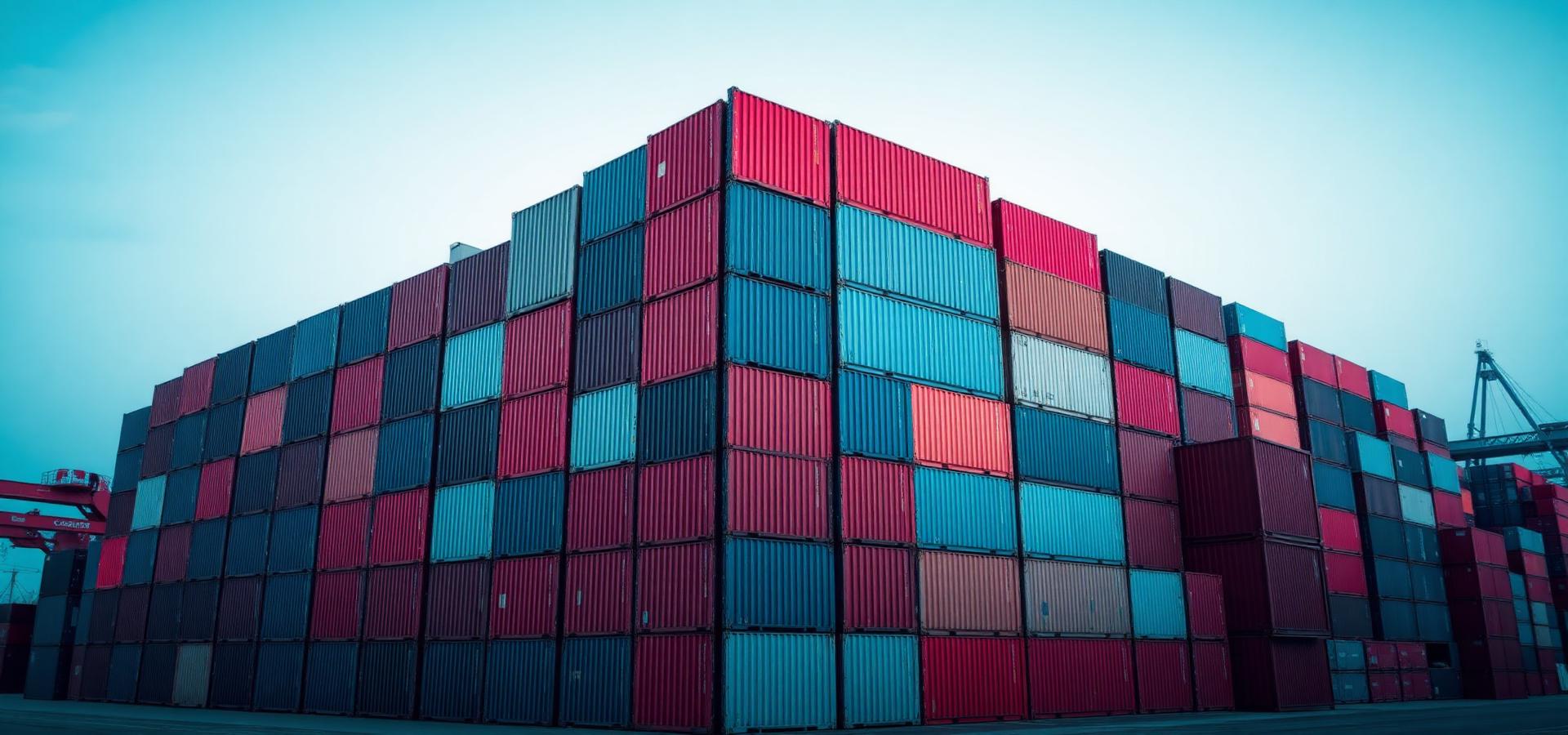
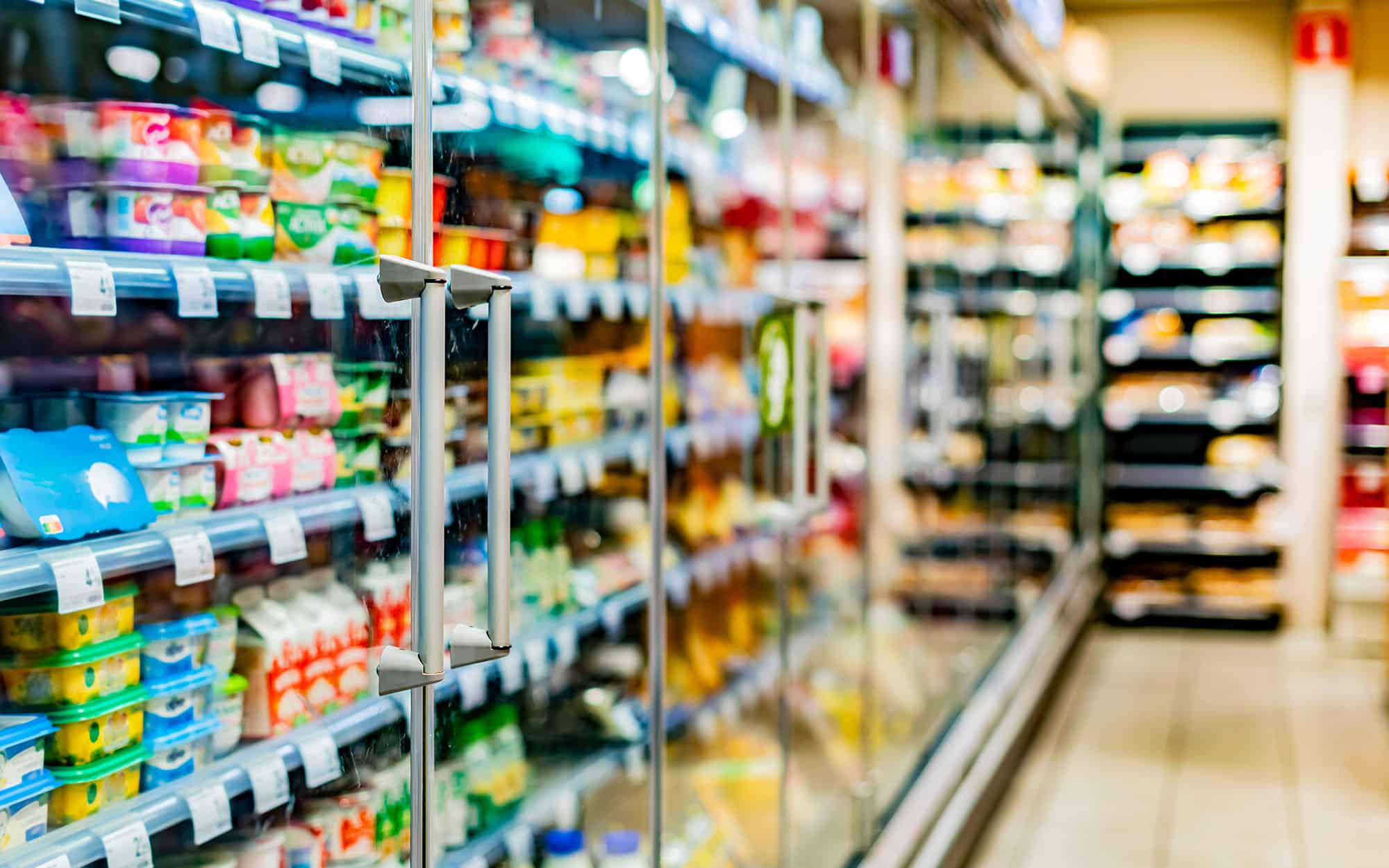
Perishable and temperature-sensitive freight cannot survive a gap in refrigeration or a missed FDA filing. We keep custody unbroken from the vessel to cold storage —
FDA import support, reefer ocean, refrigerated trucking, and bonded storage run by one team that treats temperature and compliance as the whole job.
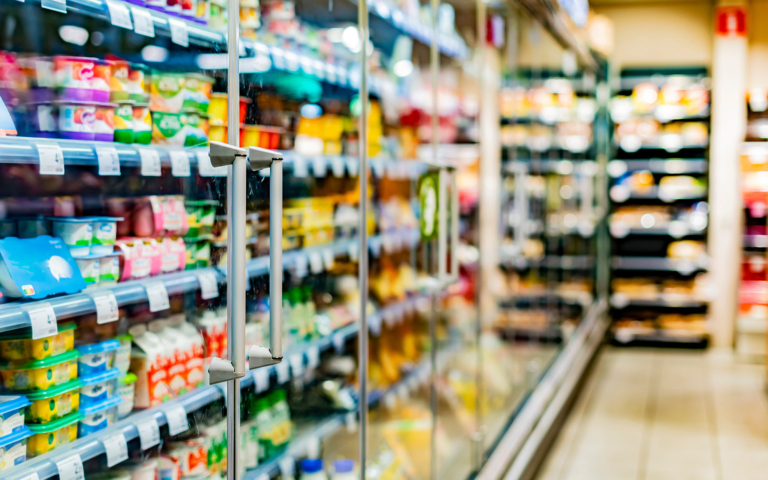
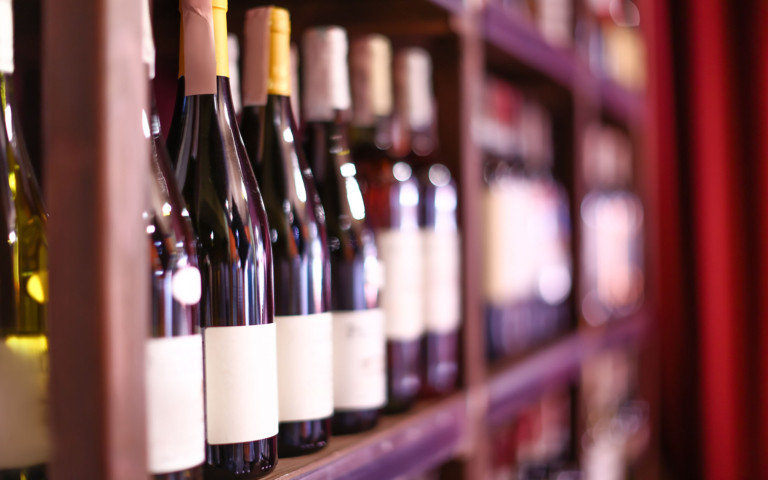
Food and beverage logistics moves perishable and temperature-sensitive goods across a border and into distribution without ever breaking the cold chain. It combines refrigerated ocean and trucking, FDA compliance at import, sanitation and food-safety standards on every touch, and traceability from farm to table, because a single warm or non-compliant handoff turns product into loss.
CargoTrans runs the regulated leg and the temperature leg as one job. Imported food usually needs FDA initial importer support at entry, and goods that clear can move straight into bonded warehouse and distribution with refrigeration held constant, so custody never gaps between a broker, a carrier, and a cold store.
The cross-border spine is temperature-controlled ocean freight in reefer containers, backed by refrigerated trucks for the domestic leg. Dairy, beverage, and other perishable products are monitored in real time on our Atlas TMS feed, so a temperature excursion raises an alert while the load can still be saved, not after it spoils.
99.9%
Temperature compliance
24/7
Reefer monitoring
24h
Response time
Free Cold-Chain Review
Talk to a Perishables Lead
Quick 30-min review of your lanes, temperatures, and FDA profile. No obligation.
We reply within 1 business day · Your data stays private.
Capabilities
Our Food and Beverage Logistics Capabilities
Six operations that keep perishable food and beverage freight compliant, cold, and traceable from origin to shelf.
01
FDA Import Compliance
Prior notice, initial importer duties, and inspection readiness handled so food clears without a hold.
FDA prior notice filing
Initial importer of record duties
Inspection and hold response
Labeling and standards checks
02
Cold Chain Management
An unbroken refrigerated custody chain from the vessel through the truck to cold storage.
Reefer container booking and setpoints
Continuous temperature monitoring
Excursion alerts before loss
03
Refrigerated Transportation
Temperature-controlled ocean containers and refrigerated trucks matched to each product's requirements.
Temperature-controlled containers
Refrigerated trucking domestic leg
Multi-temperature load handling
04
Bonded and Cold Storage
Imported perishables held duty-deferred in temperature-controlled bonded space until they enter commerce.
Refrigerated bonded warehouse space
Duty deferral until withdrawal
Sanitation-compliant handling
05
Traceability Farm to Table
Lot-level tracking and documentation so every unit can be traced back to its source on demand.
Lot and batch tracking
Farm-to-table chain of custody
Recall-ready documentation
06
Real-Time Product Monitoring
Every reefer shipment reports temperature and location live so problems surface while they are fixable.
FDA compliance and refrigeration are run by the same team, so an import filing and a reefer setpoint are never split between a broker and a carrier who do not talk.
Custody stays unbroken from vessel to cold store, because our bonded storage is temperature-controlled and sits under the same operator that cleared the goods.
Every reefer reports temperature in real time, so an excursion raises an alert while the load can still be saved, not after the product is a total loss.
Three decades of perishable freight means the failure modes, a reefer that quits mid-ocean, a detained dairy load, are planned for in the quote, not improvised at the dock.
Our Process
How Our Food and Beverage Logistics Process Works
01
Product and Compliance Profiling
Map your products, temperatures, and FDA requirements.
02
Lane and Reefer Setup
Book temperature-controlled ocean and refrigerated trucking.
03
FDA Clearance at Import
File prior notice and clear goods as initial importer.
04
Cold Storage and Fulfillment
Hold perishables in bonded cold space and ship to order.
05
Monitor and Trace
Track temperature live and keep lot-level traceability.
Perishable freight punishes every gap, a warm handoff, a late FDA filing, a reefer nobody was watching. We close those gaps by running compliance and cold chain as one accountable job.
CargoTrans keeps your food and beverage shipments cold, compliant, and traceable from origin to shelf.
Free 30-minute cold-chain and compliance review
No-obligation reefer lane and storage rate quote
FDA import support and refrigerated storage under one team
Real-time temperature visibility on every reefer shipment
A CargoTrans perishables lead will map your lanes and temperatures and quote reefer and storage.
Protected by reCAPTCHA. We respond within 1 business day. No spam, ever.
Control Tower
Food and Beverage Cold Chain, Live From the Container
The Captain Control Tower posts each reefer's temperature and location live, so your cold chain is visible in real time rather than confirmed after the container is opened and the damage is already done.
Configurable alerts flag temperature excursions, customs holds, and delays the moment they occur, so a load drifting out of range triggers a call while it can still be corrected, not a claim after it spoils.
Every prior notice, entry, and temperature log is recorded as the shipment moves, so your FDA reasonable-care file for imported food is built in real time rather than reconstructed under an inspection deadline.
Because FDA filings run beside our licensed customs brokerage desk, a detention or a labeling question is answered by the same team that cleared the goods, not routed to a firm that never handled the freight.
What makes food and beverage logistics different from standard freight?
Two things stack on top of ordinary freight: temperature and regulation. Perishable food and beverage products cannot survive a break in refrigeration between the vessel, the truck, and the warehouse, so the cold chain has to stay unbroken across every handoff. On top of that, imported food falls under FDA rules that govern prior notice, importer duties, labeling, and inspection. Get either wrong and you do not have a late shipment, you have spoiled product or a detained load. That is why we run food and beverage as a dedicated vertical with reefer equipment, temperature monitoring, FDA compliance, and bonded cold storage under one team, rather than treating a dairy container like a pallet of dry goods that can wait on a hot dock.
Do you handle FDA compliance for imported food?
Yes. Imported food and beverage products fall under FDA jurisdiction, and we manage the compliance so shipments clear without a hold. That includes filing prior notice before arrival, acting as or supporting the initial importer of record, checking labeling and standards, and responding fast if a load is flagged for inspection. Because our FDA work sits beside our licensed customs brokerage desk, the entry and the FDA filing move as one coordinated action rather than a handoff between two firms. Most food detentions trace back to paperwork errors, not the product itself, so filing correctly the first time is the difference between a container that clears in hours and one that sits accruing demurrage while an inspector waits on a missing document.
How do you keep the cold chain unbroken?
The cold chain is only as strong as its weakest handoff, so we control every link. We book reefer ocean containers at the correct setpoint, monitor temperature continuously in transit, move goods into temperature-controlled bonded storage on arrival, and use refrigerated trucks for the domestic leg. Because the same operator handles clearance, storage, and trucking, there is no window where a container sits on a warm dock waiting for a separate warehouse to accept it. Every reefer reports temperature live, so if a unit drifts out of range we get an alert while the load can still be saved. The goal is that your product never experiences a temperature it should not, from the moment it is loaded at origin to the moment it ships to your customer.
What temperature ranges can you handle?
We handle the full range perishable food and beverage products require, from deep-frozen through chilled to controlled ambient. Reefer ocean containers and refrigerated trucks are set to each product's specification, whether that is frozen protein, chilled dairy, or a beverage that must stay above freezing but below a heat threshold. For mixed loads with different requirements, we plan multi-temperature handling or separate the freight so nothing is compromised. During profiling we capture the exact setpoint and tolerance for every product, so the equipment is booked correctly rather than approximated. If your goods have a narrow window or special sensitivity, that is exactly the detail we build the plan around, because a two-degree miss on the wrong product is a total loss.
Can you store imported food in bonded, temperature-controlled space?
Yes. We operate refrigerated bonded warehouse space, which lets you hold imported perishables at the correct temperature and duty-deferred until they enter U.S. commerce. That defers your duty outlay while keeping the cold chain intact, and for goods you re-export it can eliminate the duty entirely. Because storage sits under the same operator that clears the goods, the bonded receipt, the FDA record, and the temperature log all live in one place and one accountable team. Sanitation and food-safety standards are maintained throughout, so stored product stays compliant, not just cold. This matters most for importers carrying seasonal buys or high-duty inventory, where deferring duty while holding goods at temperature materially improves working capital without risking the product.
How does real-time temperature monitoring work?
Every reefer shipment reports its temperature and location live to our Atlas TMS feed, visible on the Captain Control Tower. Instead of confirming temperature after a container is opened, you watch it in real time across the whole move. Configurable alerts fire the moment a unit drifts outside its set range, so a failing reefer or a door left open triggers a call while the load can still be corrected or rerouted. That early warning is the difference between a save and a claim. The same feed also shows customs status and delivery milestones, so your team sees one live picture of where the freight is, how cold it is, and whether anything needs attention, without chasing carriers for updates.
Do you support farm-to-table traceability?
Yes. We maintain lot-level and batch-level tracking across the shipment so every unit can be traced back to its source and forward to its destination on demand. That chain of custody supports food-safety programs and makes a recall manageable rather than a scramble, because you can isolate exactly which lots were affected and where they went. Documentation is kept recall-ready as goods move, not assembled after an event. For importers whose buyers, retailers, distributors, or food-service operators, require traceability as a condition of doing business, this turns a compliance demand into a routine output of the logistics itself. The traceability record is built as the freight moves through our custody, so it is complete and current the moment you need to produce it.
Which ocean shipping option is best for perishable goods?
For most perishable food and beverage imports, temperature-controlled ocean freight in reefer containers is the workhorse: it is far more economical than air for volume and fully capable of holding product at spec across long transits. Full-container reefer loads suit steady, high-volume programs, while smaller shippers can use consolidated reefer options to avoid paying for space they do not fill. Air freight has a place for ultra-high-value or ultra-short-shelf-life items where speed justifies the cost. During the review we weigh your product's shelf life, volume, and margin to recommend the mode that lands it fresh at the lowest landed cost, rather than defaulting to the fastest or the cheapest without regard to the product.
What happens if a reefer fails in transit?
Reefer failures are the nightmare scenario, and the whole point of live monitoring is to catch one before it becomes a total loss. If a unit drifts out of range, our alert fires and we act immediately: coordinating with the carrier to restore the setpoint, arranging a repair or a swap at the next port or terminal, or rerouting the freight if the product is at risk. Because we watch temperature continuously rather than at checkpoints, we usually have a window to intervene while the cargo is still sound. We also document the event fully, which supports any cargo claim if the product is ultimately compromised. The difference between us and a carrier who checks temperature on arrival is that we are watching in time to do something about it.
Do you handle both food and beverage products?
Yes, across the range. That includes dairy and other chilled proteins, frozen goods, produce, packaged foods, and beverages from ambient-stable to temperature-sensitive. Beverage freight has its own quirks, weight, palletization, and sometimes a freeze threshold rather than a heat one, and we handle those specifics in planning. Dairy and other short-shelf-life products get the tightest temperature discipline and the fastest clearance priority. Whatever the mix, we profile each product's temperature, shelf life, and compliance profile up front so the equipment, the routing, and the FDA handling all match. A beverage brand importing several SKUs with different requirements gets a plan that respects each one, not a single setpoint applied across the whole load regardless of what it holds.
How do you handle food safety and sanitation standards?
Food safety runs through every touch. Our temperature-controlled bonded storage is maintained to sanitation standards appropriate for food, equipment and handling follow food-safety protocols, and refrigerated transportation keeps product within spec and protected from contamination. Because the same team controls clearance, storage, and trucking, sanitation is not something that lapses at a handoff to an unknown third party. We document handling so your food-safety program has the records it needs. For importers who answer to retailer or regulatory audits, this consistency matters: the standards that protect your product are applied the same way across the whole custody chain, not strong in one warehouse and unknown in the next. Sanitation and temperature together are what keep imported food not just cold, but safe to sell.
Can you scale for seasonal food and beverage demand?
Yes. Seasonality is normal in food and beverage, a produce window, a holiday beverage push, a summer frozen peak, and we plan capacity around it rather than being surprised. Ahead of a season we reserve reefer space, stage refrigerated storage, and line up trucking so the surge does not collide with a shortage of equipment or dock labor. Bonded cold storage also lets you pull inventory in early and hold it duty-deferred until demand hits, smoothing the buying curve. During onboarding we map your seasonal shape so the program flexes on schedule. The alternative, scrambling for reefer capacity at the peak when everyone else wants it too, is exactly the exposure a specialist vertical exists to remove from your calendar.
How does food and beverage logistics connect to your other services?
It draws on the same core engine, configured for perishables. International transportation provides the reefer ocean leg, customs brokerage and FDA support clear the goods, warehouse and distribution holds them in bonded cold storage and fulfills orders, and refrigerated trucking closes the domestic leg. On top sits the Captain Control Tower for live temperature and location visibility. The advantage of running all of it inside CargoTrans is that the cold chain never breaks at a vendor boundary, because there is no boundary. If you also move non-perishable lines, the same account team coordinates those through the standard flow, so a food brand with both chilled and dry-goods freight gets one relationship rather than juggling a specialist reefer provider and a separate dry forwarder.
How do I get started with food and beverage logistics?
Book a free 30-minute cold-chain and compliance review. A perishables lead maps your products, their temperature requirements, your lanes, and your FDA profile, then designs a flow across reefer ocean, refrigerated trucking, FDA clearance, and bonded cold storage built around your goods. From there we quote the reefer lanes and storage, connect your shipments to live temperature visibility, and start moving freight while monitoring performance. There is no obligation to the review, and if your volume or product mix points to a simpler arrangement we will say so. The fastest way in is to tell us what you import, the temperatures it needs, and where it moves, and we build the cold chain around that.