We pull your container off the terminal the moment it is available and truck it to your door, managing chassis, appointments, and free time so demurrage and per diem never eat the savings you fought for on the ocean.
What Port Drayage Covers, From the Terminal to Your Door
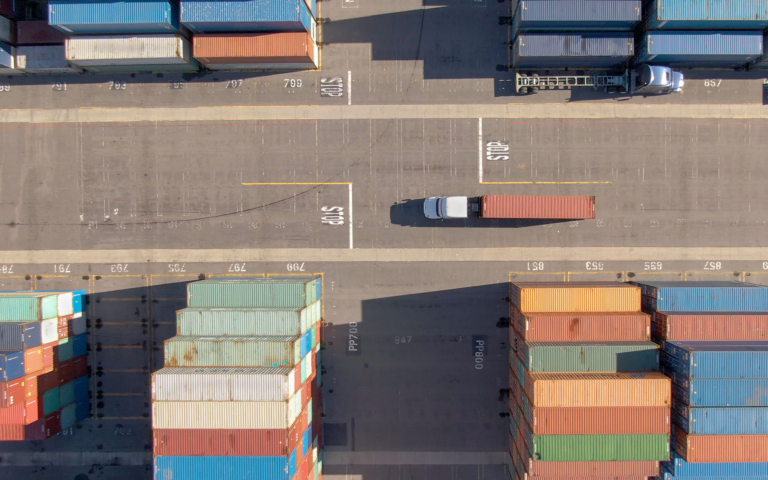
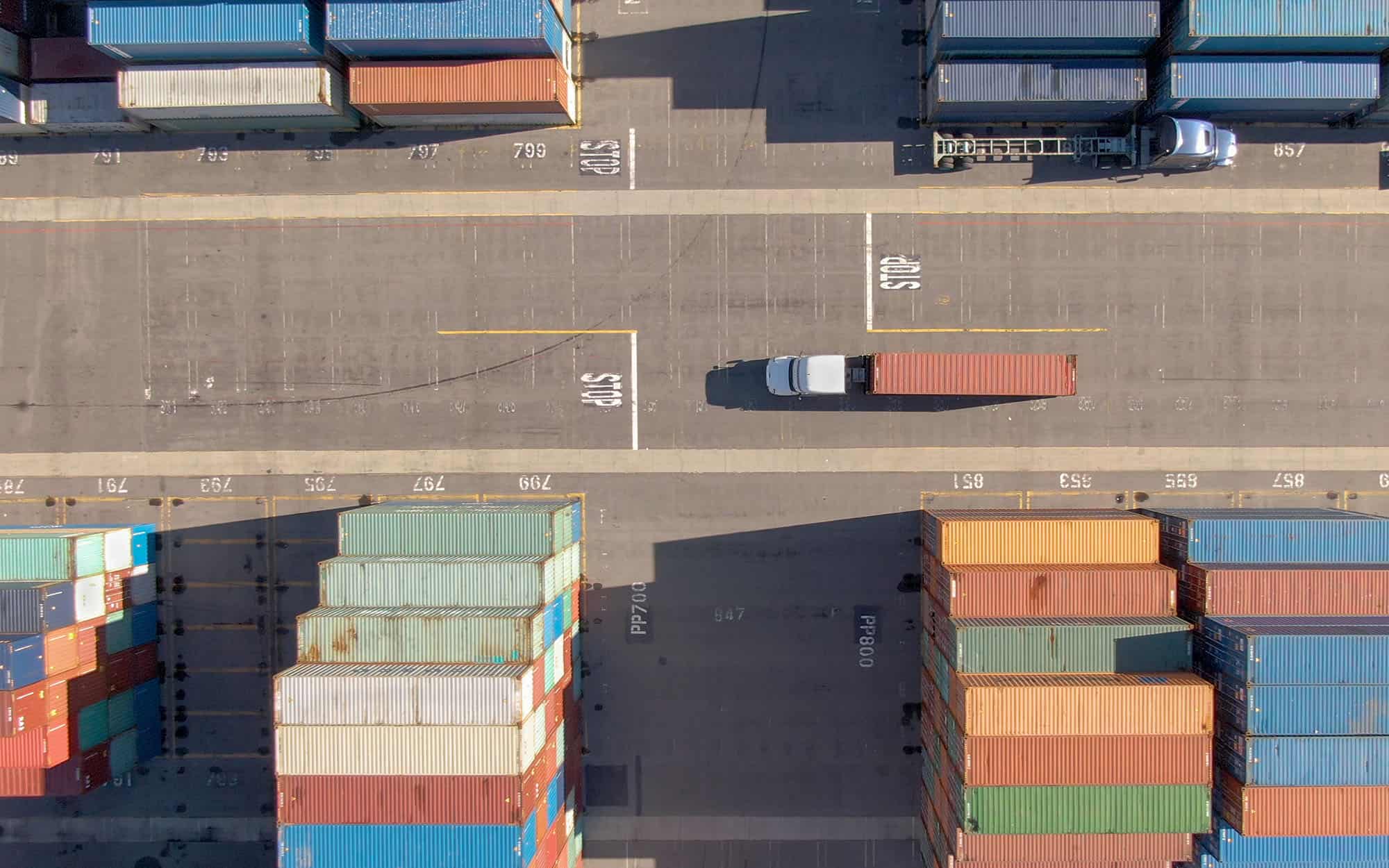
Port drayage, sometimes called pier drayage, is the short-haul truck move that takes an ocean container from the marine terminal to its first inland stop, usually your dock, a rail ramp, or a nearby facility, and then returns the empty box to the port. It is the inland bookend of cross-border freight forwarding, handling the door move rather than the water.
It is a short distance but a hard job: the container has to be pulled inside its free time, on a chassis that is actually available, through an appointment system that terminals now enforce, or the demurrage and per diem meters start running.
We coordinate the pull directly against the ocean freight arrival and clearance, and we hand off to our distribution network or a rail ramp, favoring fuel-efficient trucks and short-haul rail to cut emissions, so the box keeps moving the moment it leaves the gate.
Under 50 mi
Typical dray radius
4-5 days
Free time window
$185/day
Per diem after free
Free Drayage Review
Talk to a Drayage Dispatcher
Quick 30-min call on your ports and container volumes. No obligation.
We reply within 1 business day · Your data stays private.
Capabilities
What Our Port Drayage Services Cover
Six functions that get your container off the terminal, to your door, and back empty without racking up port charges.
01
Port-to-Door Container Pull
We watch for availability, book the terminal appointment, and pull your box to your dock the same day where the port allows.
Availability and hold monitoring
Terminal appointment booking
Same-day pull where possible
Direct delivery to your door or ramp
02
Chassis Sourcing
We secure a working chassis for every move so your box is never stranded waiting on equipment at the terminal.
Chassis pool and provider access
Split and flip cost avoidance
Equipment checked before dispatch
03
Dwell and Per Diem Control
We track free time on every container and sequence pulls so demurrage and per diem stay off your invoice.
Free-time countdown per box
Demurrage and per diem alerts
Pull sequencing by deadline
04
Live Unload and Drop-and-Pick
We run whichever unload model fits your dock, waiting live or dropping the box to keep the driver moving.
Live unload with driver wait
Drop-and-pick for slow docks
Detention exposure minimized
05
Congested Port Capacity
We hold driver and chassis capacity at the toughest gateways so your box moves even when the terminal is jammed.
Committed capacity at major ports
Night and weekend gate coverage
Reservation-system navigation
06
Empty Return and Street Turns
We return the empty inside free time and reuse it on the next load where the line allows, cutting a whole move.
We watch container availability and free time on every box, so pulls are sequenced to the deadline that matters and not to whatever a carrier gets to first.
We secure our own chassis, so your container is not left sitting because the pool ran dry or a split move added a day and a fee.
We hold committed driver capacity at the most congested gateways, which is what keeps your box moving when the terminal is jammed and reservations are scarce.
We return empties inside free time and match street turns where the line allows, cutting a full move and keeping per diem off your bill.
Our Process
How Our Port Drayage Process Works
01
Availability Watch
Monitor discharge, holds, and free-time start per box.
02
Appointment Booking
Reserve the terminal slot the moment the box frees.
A container can sail on schedule and still cost you a fortune if it sits at the terminal past free time waiting on a chassis that never shows or an appointment nobody booked.
We make the last few miles the part you stop worrying about.
Free 30-minute review of your ports, lanes, and container volumes
Availability and free-time monitoring on every box
Chassis, appointments, and driver capacity handled for you
Empty return and street-turn matching to kill per diem
A CargoTrans dispatcher will look at your ports and volumes and show where free time is leaking into charges.
Protected by reCAPTCHA. We respond within 1 business day. No spam, ever.
Control Tower
Free time and every pull on one live board
Our Captain Control Tower, built on control tower software, pairs advanced tracking technology with real-time visibility on each container's discharge, hold status, and free-time countdown next to its scheduled pull, so a dispatcher sees the box about to age into demurrage before it happens, not after the charge posts.
The same board tracks the chassis, the appointment, and the delivery, so when a terminal cancels a slot or a hold drops late, the move is rebooked immediately instead of surfacing as a missed day and a surprise fee.
A box cannot leave the terminal until it is released, so we sync the drayage pull with customs clearance and any hold, and keep the release evidence attached to the move in case a charge is later disputed.
Port drayage is the short-haul truck move that takes an ocean container from the marine terminal to its first inland destination and returns the empty box afterward. It usually covers a distance under fifty miles: from the port to your dock, to a nearby rail ramp, or to a transload facility. Although the distance is short, drayage carries the parts of the move most likely to cost you money if they slip. The container has to be pulled inside its free time, on an available chassis, through a terminal appointment system, and the empty has to be returned before per diem accrues. We handle the full cycle: watching for availability, booking the appointment, sourcing the chassis, dispatching the driver, delivering to your door, and returning the empty on time so the port charges never start.
What is the difference between demurrage and per diem?
They are two separate meters that both punish a container sitting too long, but they belong to different parties. Demurrage is charged by the terminal for a loaded container that stays inside the port past its allotted free time; the clock runs from discharge until you pull the box out the gate. Per diem, sometimes called detention, is charged by the shipping line for keeping its equipment, the container and often the chassis, outside the port too long before you return the empty. So demurrage is about getting the box out fast enough, and per diem is about getting the empty back fast enough. Both typically allow four to five free days and then run well over a hundred dollars per container per day. We track both clocks on every box and sequence pulls and returns to beat them.
What is a chassis and why does it drive my drayage cost?
A chassis is the wheeled trailer frame a container sits on so a truck can pull it over the road. Marine containers do not have wheels, so no chassis means no move, which makes chassis availability one of the biggest hidden variables in drayage cost. In many ports chassis come from shared pools, and when a pool runs short your box waits, or the driver has to make a separate trip to fetch equipment, a split that adds time and a fee. You can also get hit with flip charges when a terminal has to lift your container onto a chassis. We secure chassis through pool access and our own equipment, check it before dispatch, and plan moves to avoid splits and flips, so a missing frame is not what strands your container at the terminal.
How do you handle drayage in congested ports?
Congested gateways fail in predictable ways: appointments sell out, chassis pools run dry, gate hours get tight, and terminals impose reservation systems that reward whoever is set up to work them. We plan around all of it. We hold committed driver and chassis capacity at the busiest ports rather than scrambling for it after your box lands, so we have equipment when others do not. We book terminal appointments the moment a container frees and work night and weekend gates when that is where the open slots are. We also watch discharge and hold status closely, because in a jammed port the difference between pulling on day two and day six is entirely about being ready the instant the box becomes available. That readiness is what keeps demurrage off your invoice when the terminal is at its worst.
What is the difference between live unload and drop-and-pick?
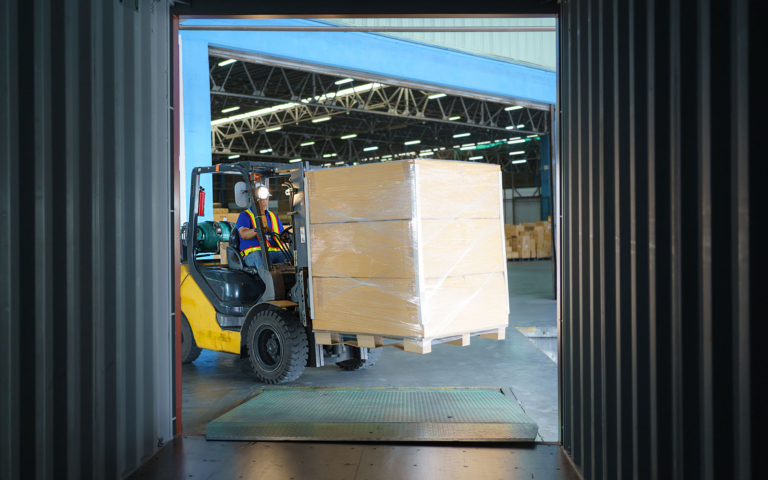
They are two ways to get the cargo out of the container at your dock. In a live unload, the driver brings the container, waits while your crew unloads it, and then takes the empty box away in the same trip. It works when your dock can unload quickly, but if the crew is slow the driver waits and you may owe detention for the delay. In a drop-and-pick, the driver drops the loaded container at your facility and leaves, so you unload on your own schedule, then the driver returns later to collect the empty. Drop-and-pick frees the driver and avoids detention, but it ties up a chassis and container longer, which can raise per diem exposure. We run whichever model fits your dock speed and volume, and switch between them by location when that lowers your total cost.
When should I use drayage versus transload?
Use straight drayage when the whole container is going to one destination and your dock can handle a full marine box; the container is pulled from the port and delivered intact to your door, which is the simplest and usually cheapest path for single-stop freight. Consider transload when the container's contents need to be split among several destinations, moved into domestic equipment for a longer inland haul, or restacked to fit a different network. In a transload the goods are unloaded from the marine container and reloaded onto domestic trailers near the port. Drayage is often the first leg of a transload anyway, moving the box from the terminal to the transload site. We map your inland destinations and volumes and recommend the split, and when transloading is the answer we hand off to a dedicated transload and deconsolidation flow.
How fast can you pull my container after it is available?
Where the terminal and appointment system allow, we offer expedited services that pull the box the same day a container becomes available, and in most gateways within one business day. The limiting factors are rarely the drive itself; they are whether the box has been discharged and released, whether any customs or line hold has cleared, whether a terminal appointment slot is open, and whether a chassis is on hand. We monitor discharge and hold status on every container so we are ready to book the appointment the moment the box frees, rather than discovering availability a day late. Because we hold chassis and driver capacity in advance at the ports you use, we are not waiting on equipment when the slot opens. The whole point is to compress the gap between availability and pull so free time is never wasted.
What causes drayage accessorial charges?
Accessorials are the extra fees that pile onto a base drayage rate, and most trace back to time or equipment. The common ones are demurrage when a box sits at the terminal past free time, per diem when an empty is returned late, detention when a driver waits too long at your dock during a live unload, chassis split and flip charges when equipment is not staged with the container, and pre-pull or storage fees when a box has to be pulled and yarded before you are ready for it. Congestion, tight appointments, and slow docks all multiply these. We reduce accessorials by monitoring free time, staging chassis ahead of the move, choosing live unload or drop-and-pick by dock speed, and returning empties promptly, so the base rate is closer to what you actually pay.
Do you handle empty container returns and street turns?
Yes, and both matter for controlling per diem. Once your cargo is unloaded, the empty container has to go back to a location the shipping line specifies, inside the free time, or per diem accrues on the line's equipment. We schedule the empty return to beat that clock and confirm the correct return location, which changes often and can trigger extra moves if you get it wrong. Where the line permits, we also arrange street turns, reusing your empty container directly on an outbound export load instead of returning it to the port and pulling a different empty later. A street turn eliminates a whole round trip to the terminal, which cuts both cost and per diem exposure. We match those opportunities against your export bookings so an empty leaving one dock becomes the box for the next shipment.
How is a drayage rate calculated?
A drayage rate starts with a base move price built around the distance from the port to your delivery point, the terminal and gateway involved, and the size and weight of the container. Onto that base sit fuel surcharges and any accessorials the move actually incurs. The base covers a standard pull, chassis for a normal duration, one appointment, and a reasonable amount of free time at your dock. Costs climb when the move triggers extras: chassis rental beyond the included days, a split or flip to get equipment under the box, waiting time at a slow dock, or a pre-pull and yard storage when you are not ready to receive. Congested ports and tight appointments raise the effort behind every move. We quote the base clearly and manage the move to keep the accessorials from stacking, so the rate you are quoted stays close to the rate you actually pay.
How far in advance should I set up drayage before my container lands?
The earlier we have your shipment details the better, and ideally we are set up before the vessel arrives rather than after the box is already sitting at the terminal. Once we have the container and reference numbers, we monitor the vessel schedule, the discharge, and any hold, so we can reserve a terminal appointment the instant the box is released. Getting the delivery order, the release, and your delivery instructions to us in advance means there is no scramble on the day availability hits. Because we also hold chassis and driver capacity at the ports you use, being engaged early lets us line up equipment against your expected arrival instead of chasing it. The gap between availability and pull is where free time leaks into demurrage, so the whole aim of setting up ahead of arrival is to compress that gap to nearly zero.
What happens if my container is put on a hold at the terminal?
A hold means the box cannot be released until the reason clears, and there are several kinds. A customs hold waits on clearance or an exam. A line hold usually means freight charges are unpaid to the shipping line. A terminal or freight hold covers unpaid terminal fees, and an exam hold routes the box for inspection. The important thing is that free time and demurrage often keep running while a hold sits, so a hold you do not know about quietly becomes a bill. We monitor hold status on every container alongside its free-time countdown, so the moment a hold appears we flag it and chase the party who can lift it, whether that is resolving clearance, confirming a payment, or coordinating an exam. Once the hold drops we already have the appointment and chassis staged to pull immediately, so you lose as little free time as possible.
What is the difference between local drayage and a longer inland container move?
Local drayage is the short pull most people mean by the word: the container comes off the marine terminal and goes to a nearby destination, usually under fifty miles, then the empty returns to the port. A longer inland move takes the marine container well beyond the local radius, often to an inland city, either over the road or by loading it onto intermodal rail at a ramp near the port. The longer haul changes the economics, because keeping a marine container and its chassis on the road for hundreds of miles is expensive and raises per diem exposure the whole time the equipment is out. That is often the point where splitting the cargo into domestic equipment near the port makes more sense than dragging the ocean box inland. We map your inland destinations and advise which boxes to dray locally, which to rail, and which to unload near the port.
What paperwork do you need to dispatch a drayage move?
To pull your box we need a specific set of documents and numbers, and having them ready is what lets us book the appointment the moment the container is available. The core items are the delivery order with your address and instructions, the bill of lading with the container and reference numbers, and evidence of customs release along with proof that any line or terminal hold is cleared. For the empty leg we need the return location the shipping line specifies, which changes often. If the cargo is regulated or bonded, we also need the entry and any permit references so the release and the move line up. We keep the release evidence attached to the move in case a demurrage or per diem charge is later disputed, because a documented clean pull is your defense when a terminal bills for time that was not yours. Give us the details early and the dispatch is ready before the box is.