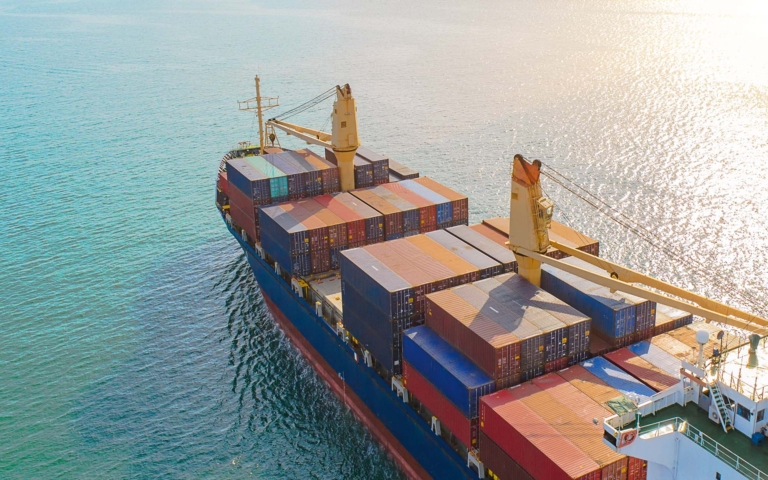
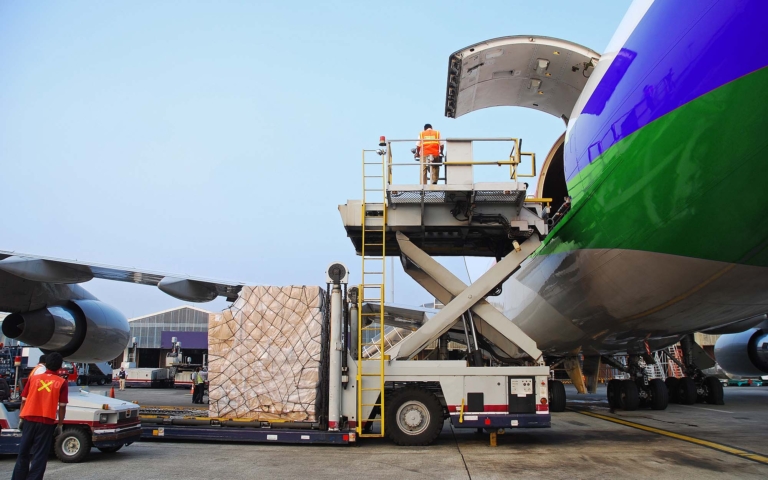
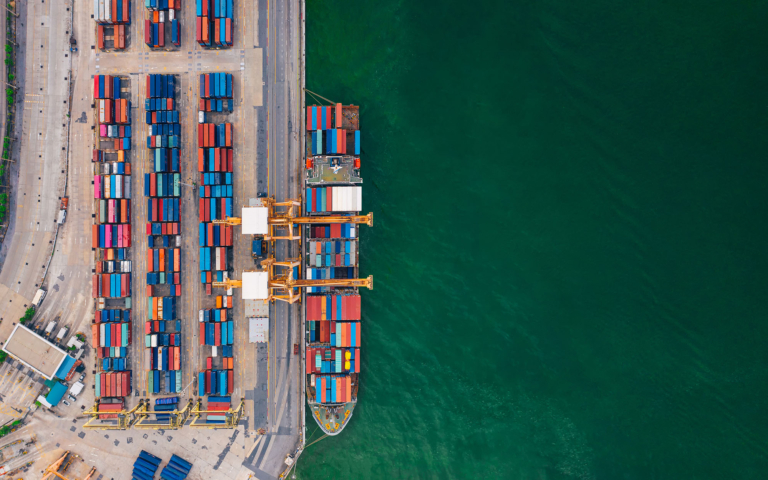
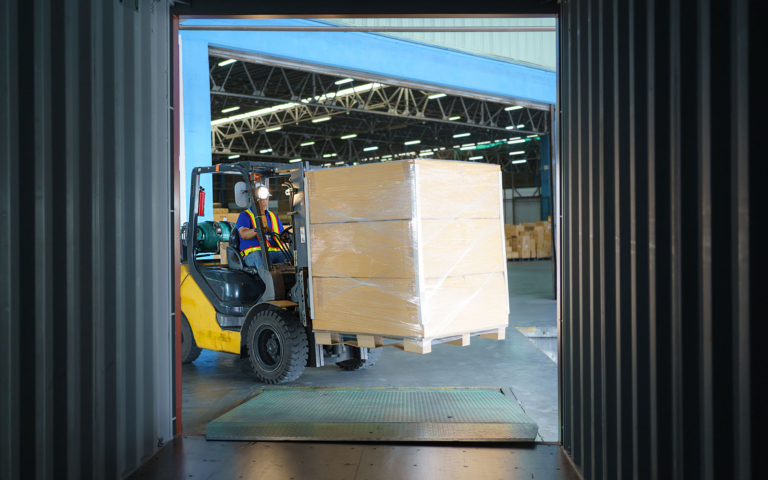
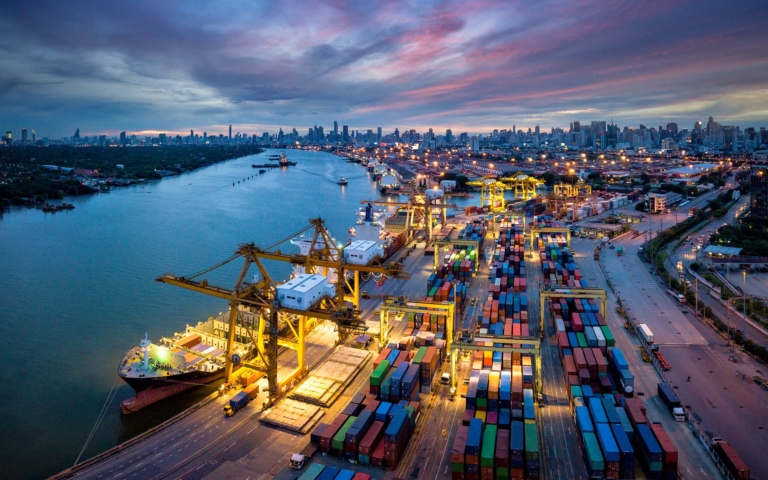
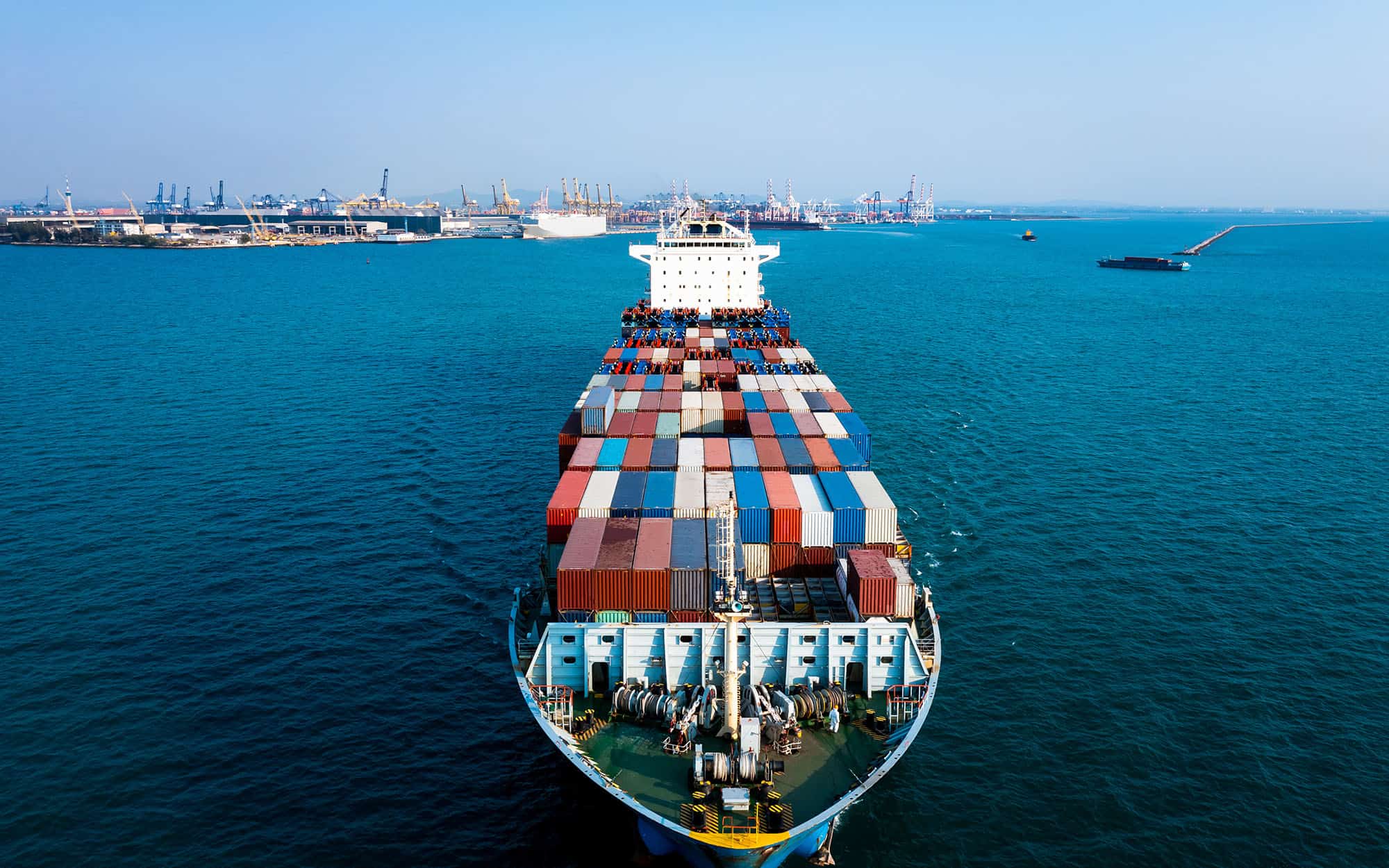
We book, route, and clear cross-border shipments across every mode and carrier, then hold the whole move on one milestone timeline so your team sees origin pickup, sailing, arrival, and delivery in a single place.
International transportation, the heart of international freight forwarding, is the booking, routing, and cross-border movement of goods between countries, matched to the right mode, carrier, and service level for each shipment you send or receive.
As your forwarder we quote carriers, reserve capacity, produce the transport documents, and coordinate origin and destination handling. At origin we merge suppliers through freight consolidation; at destination our port drayage desk pulls the box from the terminal and hands the entry cleanly to a broker so nothing stalls at the border. Every booking posts to the control tower platform, so the milestone your team reads is the milestone the carrier filed.
150+
Origin lanes
3–35d
Door-to-door range
24/7
Shipment tracking
Free Lane Review
Talk to a Forwarding Specialist
Quick 30-min call on your lanes and modes. No obligation.
We reply within 1 business day · Your data stays private.
Capabilities
What International Freight Forwarding Covers
Six capabilities our forwarding desk runs so a single move never breaks across borders, modes, or carriers.
01
Ocean Freight
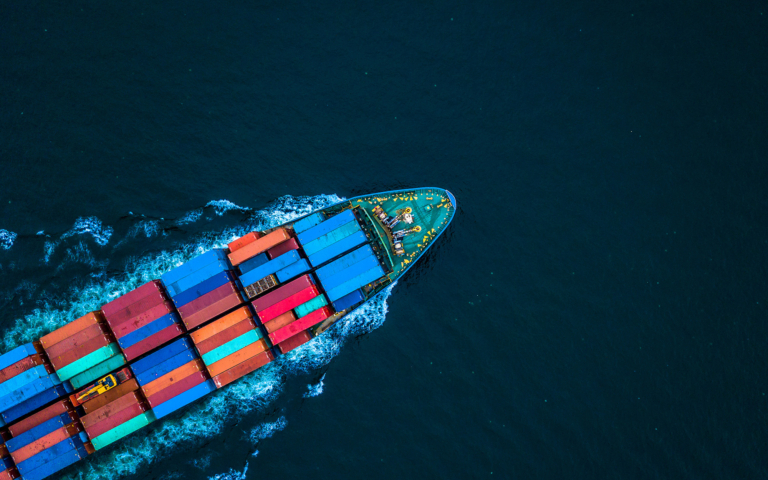
Container capacity and sailing schedules booked for cost-driven cross-border volume.
Sea, air, rail, and road stitched into one move under a single point of accountability, including domestic U.S. freight carrier capability for the final inland legs.
Why Choose CargoTrans for International Freight Forwarding?
We quote and book every mode from one desk, so you compare sea, air, and multimodal options on the same lane without juggling separate vendors.
Our carrier relationships secure space during peak, GRI, and blank-sailing pressure, protecting your delivery dates when the market tightens on capacity.
Every shipment rides one milestone timeline, so you act on real arrival data instead of chasing status updates across three carrier portals.
We hand entry data cleanly to your broker before arrival, so cargo clears the border without avoidable holds, exams, or storage charges.
Our Process
How CargoTrans Manages International Shipments
01
Lane & Mode Review
Map your origins, volumes, and dates to the right mode.
02
Rate & Capacity Sourcing
Quote carriers and reserve space for your committed windows.
03
Booking & Documentation
Confirm the booking and produce transport and export documents.
04
In-Transit Monitoring
Track milestones and flag exceptions before they hit delivery.
05
Clearance & Delivery Handoff
Pass entry data to your broker and confirm final delivery.
Move Your Next International Shipment with CargoTrans
Send us your lanes, commodities, and target dates, and we will show you the mode mix and carrier options that hit your delivery windows at the lowest defensible landed cost.
One forwarding desk, every mode, one timeline you can trust.
Free 30-minute lane and mode review with a forwarding specialist
Live rate comparison across ocean, air, and multimodal carriers
Origin-to-destination handling with a clean customs handoff
Single milestone timeline for every booking you run with us
A CargoTrans specialist will review your lanes and recommend the mode mix that fits your dates and budget.
Protected by reCAPTCHA. We respond within 1 business day. No spam, ever.
Control Tower
International Freight Forwarding on One Live Timeline
Our Control Tower software unifies booking, sailing, uplift, arrival, and delivery milestones from every carrier into one live view, so your team stops rebuilding shipment status from scattered portals and email threads.
Configurable alerts flag rollovers, missed connections, and port delays early, and predictive ETAs let you reposition inventory or re-book capacity with hard data instead of a phone call and a guess.
Entry-Ready Documents for International Freight Forwarding
Every commercial invoice, packing list, and origin declaration is checked against the entry requirements for the destination country, so the documents that reach your broker are complete and consistent the first time.
We coordinate ISF, pre-alerts, and power-of-attorney details up front, giving your customs team a defensible reasonable-care file and cutting the border holds that turn a routine arrival into demurrage.
What does an international freight forwarder actually do?
A forwarder arranges the international movement of your cargo without owning the ships or aircraft. We source rates and capacity from carriers, book the space, produce the transport documents such as the bill of lading or air waybill, and coordinate handling at both the origin and destination. We do not file your customs entry ourselves unless we also act as your broker, but we assemble and pass the entry data so clearance is clean. Think of the forwarder as the general contractor for your shipment: we select the mode, sequence the carriers, monitor the milestones, and stay accountable for the door-to-door move even when three or four different parties physically touch the cargo along the way.
How do I choose between ocean and air for an international shipment?
The trade-off is cost against speed and cash flow. Sea moves are far cheaper per kilo and suit dense, heavy, or non-urgent volume, but a transpacific lane runs roughly 18 to 40 days door to door. Air moves in 2 to 7 days and protects revenue on time-critical, high-value, or perishable goods, at several times the cost. The decision also weighs inventory carrying cost, stockout risk, and how much working capital sits on the water. Many importers split a purchase order, flying an urgent tranche and shipping the balance by sea. We model both options on your actual lane and let the delivered numbers, not a rule of thumb, drive the call.
What documents are required to move freight internationally?
Every international shipment needs a commercial invoice and a packing list from the seller, plus a transport document issued by the carrier, either a bill of lading for sea or an air waybill for air. Depending on the commodity and route you may also need a certificate of origin, an export license, fumigation or phytosanitary certificates, dangerous-goods declarations, or an insurance certificate. For U.S. imports the carrier and importer data also feed the Importer Security Filing and the customs entry. We review the seller's documents before departure, flag anything missing or inconsistent, and build a pre-alert package so your broker and destination team are not scrambling for paperwork while the cargo waits at the port.
How long does an international shipment take door to door?
It depends on the mode and lane. Air freight typically delivers in 2 to 7 days including uplift, transit, and destination handling. Sea shipments range widely: Asia to the U.S. West Coast runs about 18 to 28 days port to port, Asia to the East Coast 30 to 40, and Europe to the U.S. East Coast around 12 to 20. Then add origin cartage, terminal cutoffs, customs release, and final delivery, which together often add 5 to 10 days. Transshipment, blank sailings, and port congestion can extend any of these. We quote a realistic door-to-door window rather than the carrier's optimistic port-to-port number, and we track against it once the booking is live.
Who is responsible for customs clearance, the forwarder or the importer?
The importer of record is legally responsible for a compliant entry, correct classification, valuation, and duty payment, no matter who files on their behalf. In practice a licensed customs broker prepares and submits the entry to Customs, and the forwarder supplies the shipment and document data the broker needs. CargoTrans can play both roles or work alongside your existing broker. If you engage our licensed customs broker team, forwarding and clearance sit under one roof and the entry data never gets lost in a handoff. Either way, the responsibility for reasonable care stays with the importer, which is why we build a documented, defensible file for every entry rather than filing on whatever the shipper happened to send.
What is the difference between a house bill and a master bill of lading?
A master bill of lading is issued by the ocean carrier to the forwarder or NVOCC that booked the space, and it covers the carrier's contract for the physical move. A house bill is issued by the forwarder to the actual shipper, and it reflects your specific cargo and commercial terms. When a forwarder combines several shippers' cargo into one container, there is one master bill to the carrier and multiple house bills underneath it, one per shipper. The house bill is usually what your bank references for a letter of credit and what governs your relationship with the forwarder. We explain which bill controls release at destination so title and cargo move in step and nobody releases goods against the wrong document.
How do Incoterms affect who arranges international transport?
Incoterms define where risk and cost transfer between seller and buyer, which in turn decides who books which leg of the move. Under EXW the buyer arranges everything from the seller's dock; under FOB the seller handles export and loading while the buyer controls the main carriage and everything after; under DDP the seller delivers duty paid and controls the whole chain. Getting the term wrong means you either pay for transport you did not budget or lose control of a leg you needed to manage. Before we quote a lane we confirm the Incoterm on your purchase order, map exactly which costs and risks sit with you, and book only the legs you are actually responsible for.
Can one forwarder handle both my imports and exports?
Yes, and consolidating both flows with one forwarder usually improves rates and visibility. Import and export share carriers, documentation systems, and destination networks, so a single desk can balance your inbound and outbound volume when it negotiates space and can spot backhaul or round-trip equipment opportunities. Running both through one provider also means one milestone timeline and one accountable contact instead of separate vendors who each see half your supply chain. CargoTrans manages inbound purchasing flows and outbound sales shipments together, coordinating the paperwork, origin control, and destination handling on each side so your trade-compliance record stays consistent whether the cargo is arriving at a U.S. port or leaving one.
How do I track an international shipment across multiple carriers?
The hard part is that a single move often touches an origin trucker, an ocean or air carrier, a terminal, and a destination trucker, each with its own system. Tracking one carrier's portal only shows you one leg. CargoTrans stitches every milestone, from origin pickup through sailing or uplift, arrival, release, and final delivery, into one live timeline so you see the whole move in one place. Configurable alerts fire on rollovers, missed connections, and port delays before they cost you a delivery date, and predictive ETAs let you plan receiving and inventory around real data. That single-window visibility is usually the difference between reacting to a delay and getting ahead of it.
How much does international freight forwarding cost?
Forwarding cost is built from several layers, not a single rate. The largest is the carrier's freight charge, which varies by mode, lane, weight, and season. On top of that sit origin charges like export handling and terminal fees, destination charges like terminal handling and delivery, and the forwarder's own booking and documentation fee. Fuel and security surcharges, plus peak-season adjustments, move with the market. For a sea move you also budget port and equipment fees; for an urgent one you pay a speed premium. We quote every line item as a delivered, all-in figure rather than a bare freight number, so you can compare options honestly and there is no surprise invoice after the cargo moves.
How far in advance should I book an international shipment?
Earlier is cheaper and safer, though the right lead time depends on mode and season. For a sea booking, aim to confirm space one to three weeks before your cargo-ready date, and longer ahead of peak periods like the weeks before Lunar New Year when space tightens and rates spike. Urgent air moves can book within a day, but even there advance notice secures better space and pricing than a last-minute tender. Booking early also gives us time to review documents, flag missing paperwork, and line up origin pickup so nothing slips at the cutoff. When a date is fixed, tell us as soon as the purchase order is placed and we reserve capacity against it rather than scrambling later.
What happens if my cargo is damaged or lost in transit?
Carrier liability alone rarely makes you whole. Under the standard sea and air conventions, a carrier's liability is capped by weight, often a fraction of the cargo's real value, and it excludes many causes of loss. That gap is what cargo insurance covers. An all-risk marine policy pays the insured value of goods damaged, lost, or stolen in transit, subject to the policy terms, and it responds far faster than a liability claim against the carrier. If a loss happens, document the damage at delivery, note it on the receipt, retain the packaging, and file promptly. We help you place adequate coverage before departure and guide the claim afterward, so a damaged shipment becomes a paid claim instead of an argument over a liability cap.
What is the difference between a freight forwarder and a customs broker?
They cover different halves of an international move. A freight forwarder arranges the physical transport: sourcing rates, booking carriers, producing transport documents, and coordinating origin and destination handling. A customs broker is licensed to file your entry with Customs, classify the goods, calculate duty, and clear the shipment for release. The forwarder gets the cargo to the border; the broker gets it across. Many shipments need both, and the data has to pass cleanly from one to the other or the entry stalls. CargoTrans runs forwarding and licensed brokerage under one roof, so the shipment and entry data never gets lost in a handoff between separate vendors, and one accountable team owns the move from origin pickup through release and final delivery.
What information do you need to quote and book my shipment?
A useful quote starts with a few specifics. Tell us the origin and destination, the mode you are considering or your target delivery date, and the commodity, including its value and whether it is hazardous, perishable, or temperature-sensitive. For the cargo itself we need gross weight and dimensions, or the number and type of containers, plus the Incoterm on your purchase order so we book only the legs you are responsible for. The HS code, or a clear product description, lets the broker confirm duty and any agency requirements. Once the booking is live we collect the commercial invoice, packing list, and shipper details to produce the transport document and pre-alert. The more complete the picture up front, the tighter and more defensible the quote.