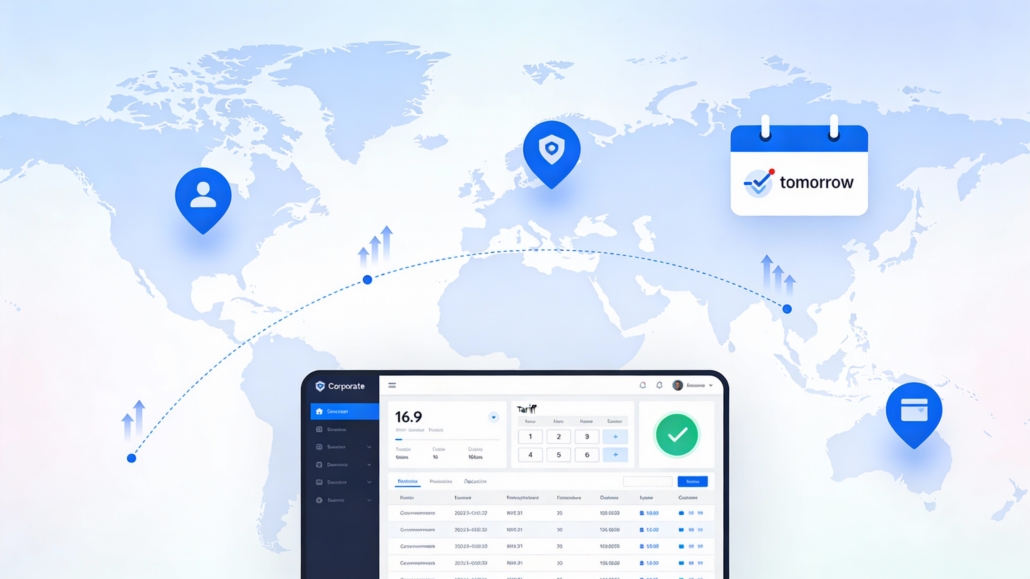
Trade policy moves fast. One morning a headline breaks about new U.S. tariff measures, and by afternoon your procurement team is fielding calls about landed cost changes, open purchase orders, and supplier contract clauses. CargoTrans’ Control Tower platform gives shippers and importers a single place to see which tariffs go into effect today, tomorrow, and next month—and how they impact live and upcoming shipments in real time.
Quantify your exposure in 20 minutes
Our trade strategists run your last 90 days of entries through Captain to surface refund eligibility, Section 232 traps and PNTR risk.
From Headline to Impact in Your Supply Chain
When a new announcement breaks—like fresh U.S. tariffs on European goods or escalating Section 301 tariffs on Chinese imports—your team’s first question is not the politics, but: “What does this do to my landed cost and open POs?” The challenge is translating a policy update into an operational decision within hours, not days.
Why Speed of Response Defines Your Competitive Position
Companies that can act on tariff intelligence quickly gain a meaningful advantage. They can reroute shipments before they enter the affected duty window, renegotiate supplier terms with current data in hand, and communicate accurate cost changes to customers before invoices are issued. Those who rely on manual research—scrolling through Federal Register notices or waiting for a broker update—often absorb avoidable duty costs. A supply chain visibility software platform that integrates tariff data directly into shipment records shortens that response window dramatically.
The Operational Questions That Matter Most
When a new tariff measure is announced, the questions your logistics and finance teams need answered are highly specific:
- Which HS codes and origin countries are affected by the new measure?
- Which in-transit shipments will arrive after the effective date and therefore fall under the new rate?
- What is the estimated duty increase per shipment, and how does that affect total landed cost?
- Are there any bonded warehouse, FTZ, or first-sale valuation options that could reduce exposure?
- Do any open purchase orders need to be renegotiated or rescheduled to avoid the new rate?
A connected Control Tower answers these questions at the shipment level, not just in the abstract.
What Tariffs Go Into Effect Today?
Rather than scrolling news sites or manually checking USTR notices to guess what tariffs go into effect today, the Control Tower platform surfaces clear, operational answers directly in your dashboard. Tariff schedules are synchronized with your active bookings so that any duty change is immediately reflected against the shipments it will actually touch.
Real-Time Tariff Monitoring Capabilities
The Captain platform provides several layers of tariff intelligence that go beyond simple rate lookups:
- Live synchronization with U.S. and global tariff schedules so rates remain current with each regulatory update.
- Shipment-level duty calculations using up-to-date HS codes, origin country, and declared value—not estimates.
- Proactive alerts when a new tariff is scheduled to start tomorrow or next week, tied specifically to your product catalog and active shipments.
- Historical rate comparisons so you can see how a change compares to the previous duty and model the cost impact over a rolling quarter.
Connecting Tariff Data to Open Purchase Orders
One of the most costly gaps in traditional tariff management is the disconnect between trade policy data and the purchase order system. When a new Section 232 tariff is announced, the question isn’t just “what’s the new rate?”—it’s “which of my 47 open POs are now affected, and what do I owe at customs?” Captain bridges that gap by linking HS code-level tariff changes directly to associated bookings and order records, giving your team an instant impact assessment instead of a multi-day manual audit.
Audit your derivative HTS exposure
Our brokers will review your top 50 derivative HTS lines and flag Section 232 valuation risk before CBP does.
Turning Tariff Changes Into Actionable Decisions
With volatile trade policies—such as sudden 10% surcharges on selected countries or the rapid changes seen under recent executive orders—reaction time defines your financial exposure. A Control Tower view lets teams move from headlines to action in minutes, not days. The key is having all the relevant data—shipment status, HS codes, origin, value, carrier ETAs—in one place so that decisions can be made with complete information.
Routing, Timing, and Scenario Planning
Once a tariff change is confirmed, experienced logistics teams typically evaluate three categories of response:
- Timing adjustments: Accelerating or delaying shipments to land cargo before or after an effective date, depending on which scenario yields a lower duty burden.
- Routing changes: Evaluating whether transshipment through a different origin country or port of entry could reduce duty exposure, subject to rules-of-origin compliance.
- Sourcing diversification: Identifying alternative suppliers in countries not subject to the new measure, supported by supply chain risk management analysis.
Captain supports all three response types by giving teams the shipment-level data they need to model each scenario quickly. You can also consult CargoTrans’ trade advisory services to evaluate classification strategies, first-sale valuation, and bonded entry options that may further reduce duty liability.
Communicating Cost Changes Internally and Externally
Tariff changes rarely stay within the logistics team. Finance needs to update landed cost models. Sales needs to know if pricing must be revised. Customers may ask whether their contracts include duty escalation clauses. Having a single, authoritative data source in the Control Tower means that every team is working from the same numbers—reducing the risk of conflicting estimates and last-minute surprises at invoicing.
Why This Matters for Small and Mid-Sized Importers
Large multinationals have dedicated trade compliance teams watching every policy move, often with in-house counsel and relationships with the major customs brokers. Smaller and mid-sized importers typically do not have those resources—which means tariff changes are more likely to surface as an unexpected customs bill rather than a managed business decision. A client-facing Control Tower with integrated tariff intelligence closes that gap.
Leveling the Playing Field on Trade Compliance
By combining shipment visibility, customs clearance data, and real-time tariff tracking in one accessible platform, CargoTrans helps importers of all sizes operate with the same tariff awareness that was previously reserved for enterprise shippers. This is especially valuable during periods of rapid policy change, when the cost of being caught off-guard can reach five or six figures on a single shipment.
Key outcomes for small and mid-sized importers using the Captain platform include:
- Staying ahead of new tariffs going into effect today or tomorrow, with alerts tied to your specific product catalog.
- Reducing the risk of misclassified duties and surprise costs at customs by maintaining accurate HS code records at the booking level.
- Making smarter sourcing and pricing decisions with current, shipment-level landed cost data rather than outdated estimates.
- Accessing expert guidance through customs consulting when a tariff situation requires classification review or binding ruling research.
Understanding how retaliatory tariffs escalate trade disputes—and the downstream effect on your supplier network—is also an important part of long-term trade strategy. The Captain platform tracks these developments alongside your active shipment data, so you always have context alongside your operational numbers.
Use Our Tariff Calculator to Estimate Your Duty Exposure
Before you can decide how to respond to a new tariff, you need to know the numbers. CargoTrans’ tariff calculator lets you input your HS code, origin country, and shipment value to get an immediate duty estimate. Use it to model the cost impact of a new measure before your cargo arrives at port—so you’re making decisions based on data, not guesswork.
Combined with the full visibility of the Control Tower, the tariff calculator gives you both the macro picture (which tariffs go into effect this week and why) and the micro picture (exactly how much more duty you’ll pay on your next 12 shipments). That combination is what turns tariff awareness into a competitive advantage.
Get Started With CargoTrans
If you’re ready to take control of your supply chain and tariff exposure, Captain’s end-to-end supply chain visibility software is built for exactly this environment. Our system is designed to help businesses track, manage, and optimize every stage of their supply chain—ensuring maximum efficiency, reduced risk, and no tariff surprises at the customs window.
Contact us today to schedule a demo or learn more about how Captain can transform your supply chain operations.