Managing a modern supply chain with multiple carriers, modes, and partners is hard, especially when shipment data sits scattered across emails, spreadsheets, and carrier portals. A Control Tower platform pulls that data into a single, real-time dashboard, so shippers and logistics teams can see, decide, and act faster across air, ocean, and land. This guide explains what a Control Tower does, the features that matter most, and the measurable benefits it brings to daily operations.
What is a Control Tower platform?
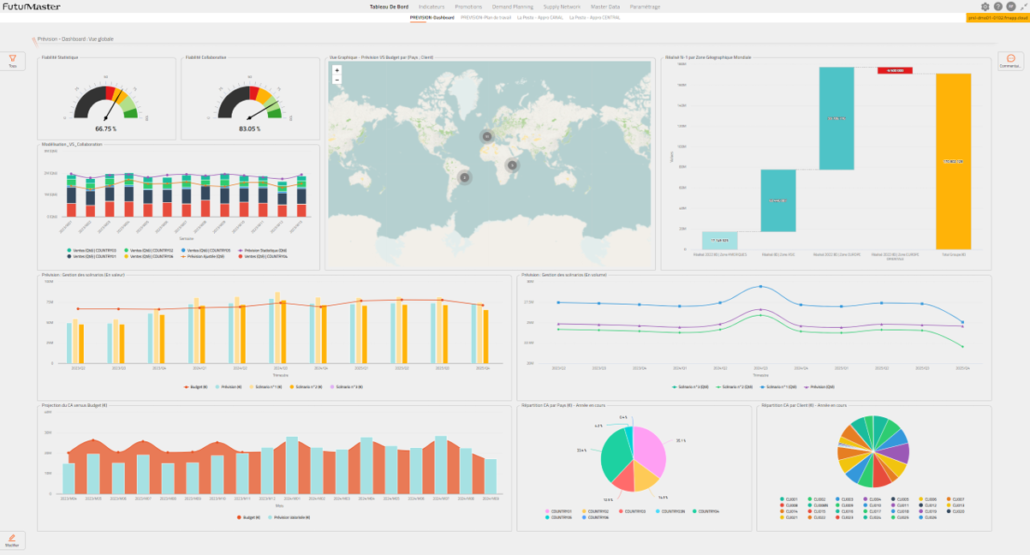
A Control Tower is a centralized, digital command center. It gives you end-to-end visibility across your logistics network, from purchase order to final delivery. Unlike basic tracking tools, it connects data from multiple carriers, forwarders, and internal systems into one dashboard that every team can use.
From scattered data to a single command center
Most shippers still track shipments by logging into different carrier portals and updating spreadsheets by hand. That approach breaks down fast when volumes grow or a disruption hits. A Control Tower replaces it with one live view of every order, container, and flight, updated automatically as milestones change.
Enterprise control for small and mid-size shippers
For small and mid-size shippers, a Control Tower delivers the real-time control that large enterprises enjoy, without an internal IT team or complex custom integrations. Instead of juggling portals, your teams see every shipment, across all modes, in one place. Pairing the platform with supply chain visibility software extends that view from the first mile to final delivery.
Key features of a Control Tower for supply chain optimization
A well-designed Control Tower dashboard focuses on what operators actually need hour by hour: visibility, context, and clear next actions.
- End-to-end shipment tracking across air, ocean, and land, with real-time status and milestone updates.
- Exception management and proactive alerts that flag delays, holds, and deviations, so teams can prioritize critical shipments.
- Single, client-facing dashboard where shippers and customers monitor every international shipment instead of juggling multiple tools.
- Data integration with existing systems (TMS, WMS, ERP) and with customs platforms like CBP’s Automated Commercial Environment, the single window for U.S. import and export data.
- Analytics and performance insights for lanes, carriers, and routes that support continuous improvement and cost optimization.
The benefits of using a Control Tower in your supply chain
When your supply chain runs on emails and manual tracking, your team spends the day reacting to problems. A Control Tower shifts you to proactive, data-driven management. That shift matters most for shippers that rely on multiple carriers and transport modes coordinated by a freight forwarder.
Streamlining processes and improving visibility
By consolidating your logistics data, a Control Tower simplifies daily operations and removes blind spots.
- One version of the truth: logistics, procurement, and customer service all see the same live shipment data, which cuts internal back-and-forth.
- Faster decisions: real-time alerts on delays, port congestion, or customs issues let your team act before customers feel the impact.
- Less manual work: automated status updates and centralized documentation replace spreadsheet trackers and repetitive emails.
- Better customer experience: customers and internal stakeholders get clear, timely updates and more accurate ETAs.
Turning historical data into network strategy
Beyond daily execution, a Control Tower stores historical data you can mine for patterns. Use it to analyze frequent bottlenecks, benchmark carrier performance, and refine your network design. Ocean shippers can cross-check carrier reliability against oversight data from the Federal Maritime Commission, which regulates U.S. ocean transportation and monitors port performance.
Control Tower visibility across air, ocean, and land
A single platform is only useful if it covers every mode you ship. A Control Tower unifies tracking and exception management whether cargo moves by plane, vessel, or truck.
- Ocean: monitor container milestones, vessel delays, and demurrage risk on your ocean freight moves.
- Air: track time-critical air freight shipments with live status and ETA changes.
- Customs: bring entry status and document checks from customs brokerage into the same view, alongside official requirements from U.S. Customs and Border Protection.
Want to see how this works in practice? Read how to track ocean, air, and land freight in one dashboard.
Why you should consider a Control Tower for your business
If your logistics team spends more time chasing information than managing strategy, a Control Tower platform can fundamentally change how you work. It gives you a practical, operational way to control your supply chain without adding headcount or complex custom software.
For shippers working with a freight forwarding partner, choosing one that offers a client-facing Control Tower dashboard means:
- You keep full visibility and control while they handle execution.
- Your team logs into one platform to monitor every shipment, across modes and regions.
- You gain the real-time data and alerts needed to reduce risk, improve service levels, and optimize costs.
In an environment where disruption is the norm, a Control Tower platform is no longer a “nice to have.” It is becoming the core interface between your business and your global logistics network.
Control Tower FAQ
Quick answers to the questions shippers ask most before adopting a Control Tower platform.
What is a supply chain Control Tower?
It is a centralized digital dashboard that connects data from carriers, forwarders, and internal systems to give end-to-end visibility and exception alerts across air, ocean, and land.
How is a Control Tower different from carrier tracking?
Carrier tracking shows one carrier at a time. A Control Tower merges every carrier, mode, and document into a single view, then layers alerts and analytics on top.
Do small and mid-size shippers need a Control Tower?
Yes. A client-facing Control Tower gives smaller shippers enterprise-grade visibility without an internal IT team or custom integrations.
Does a Control Tower integrate with my TMS or ERP?
A well-built platform connects with TMS, WMS, and ERP systems, and with customs data sources, so you keep one source of truth.
Can a Control Tower help with customs and compliance?
It centralizes entry status and documents from your customs broker and aligns them with CBP requirements, which reduces the risk of holds and delays.
Get started
If you are ready to take control of your supply chain, Captain’s end-to-end visibility software is built for the job. The system helps businesses track, manage, and optimize every stage of the supply chain, for maximum efficiency, lower risk, and better customer satisfaction.
Contact us today to schedule a demo or learn how Captain can transform your supply chain operations.