You’re renovating a hotel lobby. You’ve got stunning chandeliers, plush seating, and sleek new fixtures on the way—but they’re all tied up in a complex supply chain that spans multiple continents. Lead times vary by supplier, freight modes are in constant flux, and one delayed container can push back your entire project opening date. Things can get overwhelming fast. FF&E logistics streamlines your process, reduces costs, and ensures everything arrives on time and intact—but only when it is managed with a clear strategy and the right logistics partner.
In this guide, we will explore the ins and outs of furniture, fixtures, and equipment supply chains, from the initial sourcing stages to final installation. You will walk away understanding why it is essential to have a robust FF&E logistics strategy in place—and how the right approach safeguards your projects from frustrating delays and unexpected costs.
Quantify your exposure in 20 minutes
Our trade strategists run your last 90 days of entries through Captain to surface refund eligibility, Section 232 traps and PNTR risk.
What Is FF&E?
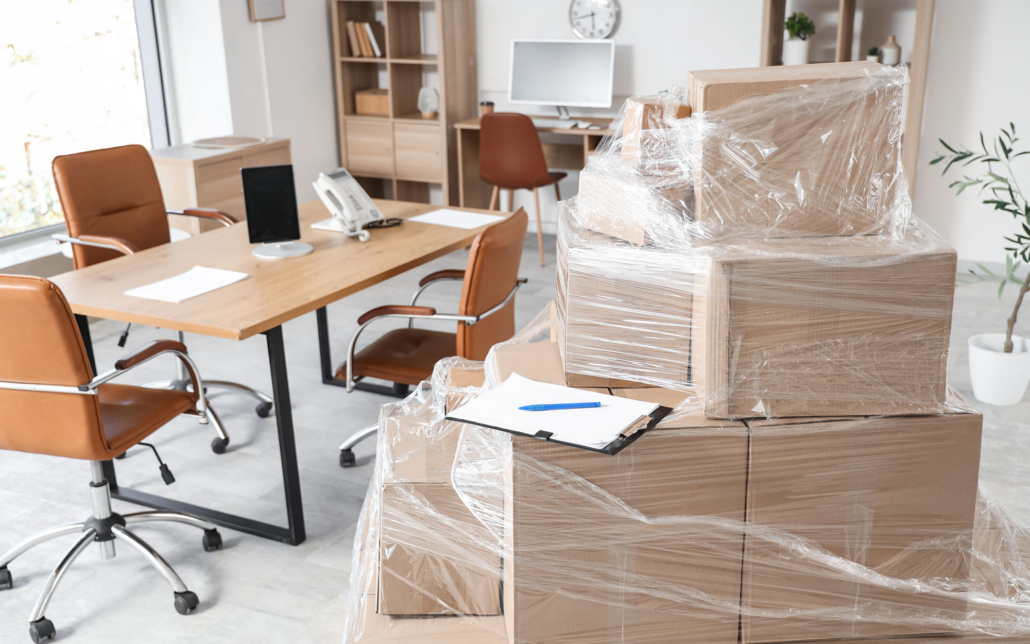
When people say “FF&E,” they are talking about furniture, fixtures, and equipment—the physical items that furnish and equip spaces like hotels, offices, retail stores, restaurants, and healthcare facilities. Think of conference tables, lounge seating, lighting installations, shelving systems, kitchen appliances, or even decorative elements like artwork and mirrors. These items tend to be high-value investments that define the look, feel, and functionality of a space—and they are notoriously difficult to source, transport, and deliver without specialized logistics expertise.
The Three Categories of FF&E
Each category of FF&E presents its own sourcing, handling, and transportation requirements:
- Furniture: This encompasses everything from executive desks and conference tables to hotel room beds and lounge sofas. Furniture is typically bulky, often custom-manufactured, and vulnerable to cosmetic damage during transit. Lead times can stretch to 12–20 weeks for custom pieces, making early procurement planning critical.
- Fixtures: These are attached or semi-attached items such as lighting installations, built-in cabinetry, display cases, and wall-mounted systems. Fixtures often require coordination between the logistics team and on-site installation crews, and their delivery timing must align precisely with construction milestones.
- Equipment: Any movable machinery or devices required for daily operations—kitchen appliances in a restaurant, medical devices in a clinic, point-of-sale systems in a retail store, or audiovisual equipment in a conference center. Equipment may carry specialized import documentation requirements, particularly for electrical or medical devices subject to regulatory approval.
If you work in hospitality, retail, healthcare, or commercial real estate, you know that efficiently sourcing and transporting all these items can make or break a project. FF&E logistics is the discipline that ensures fragile and bulky items get where they need to go—without damage, without delays, and without unexpected freight costs eating into your project budget.
Why FF&E Logistics Matters Across Industries
The stakes in FF&E logistics are high across every sector that relies on physical environments to deliver their service. A missed delivery or damaged shipment is never just a logistics problem—it is a business problem that affects opening dates, customer experience, and bottom-line results. Your success often depends on how smoothly you can secure and deliver furniture, fixtures, and equipment.
Industry-Specific Impacts
The consequences of FF&E logistics failures vary by industry, but they are consistently significant:
- Hospitals and Medical Facilities: Delays in receiving essential fixtures or specialized equipment can impact patient care, regulatory inspections, and accreditation timelines. Medical equipment often carries strict import documentation requirements that add compliance complexity to an already time-sensitive delivery.
- Hotels and Resorts: Hospitality brands cannot afford to open new properties or complete renovations with half-delivered furniture or damaged fixtures. A delayed opening directly impacts revenue, and visible cosmetic damage to FF&E undermines the guest experience that the renovation was designed to create.
- Retail and Offices: A functional, attractive space is crucial for employee productivity and customer perception. Expansions and remodels run on tight timelines tied to lease agreements and marketing commitments—FF&E logistics delays put both at risk.
- Restaurants: From kitchen equipment to dining area furnishings, timely deliveries determine whether you open on schedule and stay open without equipment gaps. Custom kitchen equipment manufactured overseas is particularly vulnerable to long lead times and freight damage.
In all these environments, freight damage, delayed shipments, and disorganized supply chains negatively affect the bottom line. A well-designed FF&E logistics plan—combined with a supply chain visibility software platform—helps you reduce the risk of costly setbacks before they happen.
How Furniture, Fixtures, and Equipment Fit Into the Supply Chain
A well-executed FF&E logistics plan moves your project from concept to completion without costly surprises. Understanding the full supply chain sequence—and where the most common failure points occur—is the first step to managing it effectively. Here is how the full FF&E supply chain typically unfolds:
Sourcing and Procurement
This is where the project begins. Working with architects, designers, contractors, and vendors to identify exactly what needs to be ordered, you manage lead times, coordinate production schedules across multiple suppliers, and negotiate pricing and delivery terms. Getting this part right—with clear purchase order documentation and realistic lead time expectations—sets the tone for everything that follows. A single vendor delivering late can delay the entire consolidation and shipment schedule.
Warehousing and Consolidation
Once items are ready, they are often staged in a warehouse before final shipment to the project site. In many cases, multiple shipments from different suppliers are consolidated to reduce the number of deliveries and lower transportation costs. This consolidation step is especially important for international FF&E moves, where ocean freight costs are optimized by filling containers efficiently. It also reduces the risk of items arriving out of sequence—critical when installation crews are standing by and every day of delay carries a cost. For more detail on consolidation strategy, see our freight consolidation guide.
Freight Mode Selection
Your mode—whether air, ocean, LTL, or full truckload—should be selected based on cargo volume, fragility, urgency, and budget. The choice between air vs. ocean freight is rarely simple for FF&E: air is fast but expensive; ocean is economical for large volumes but adds weeks to your timeline. Choosing wisely at this stage prevents both delivery delays and budget overruns.
Distribution and Delivery
Once your shipments reach the destination port or hub, the job is not over. Local transport, staging, and multi-stop routing come into play. Whether items are headed to a single project site or multiple locations, tight coordination ensures timely and accurate delivery. International shipments also pass through customs clearance at this stage—a step that requires accurate documentation, correct HS code classification, and often close coordination with a licensed broker.
Installation and Final Assembly
The last mile is often the most important and the most stressful. Delivered items may require professional installation or assembly before the space is functional. This is also where any issues with damaged or missing items surface—making it essential to get the earlier steps right. A thorough delivery inspection process, with photographic documentation at each stage, is the best protection against freight damage claims and vendor disputes.
Common Challenges in FF&E Logistics
Managing furniture, fixtures, and equipment supply chains is not always straightforward. Many businesses find themselves battling a familiar set of problems that compound over the life of a project. Recognizing these challenges early—and building mitigation strategies into your logistics plan—is what separates projects that close on time from those that drag on for months past the original opening date.
The Four Most Common FF&E Logistics Problems
- Tight deadlines: Launching a new hotel or relocating an office typically runs on rigid timelines tied to construction completion, lease agreements, or pre-booked guests. If your equipment is late—even by a few days—it can derail the entire project or cause you to miss a critical opening date that has already been marketed.
- Budget constraints: Big-ticket items like custom fixtures, specialized kitchen equipment, or designer furniture take up considerable budget space. Overspending on freight—or facing unexpected damage costs and replacement lead times—are among the most common ways FF&E projects blow their budgets.
- Complex vendor relationships: Dealing with multiple suppliers across different countries means that a delay from any single vendor can cascade through the entire project timeline. Without a single logistics partner managing the full picture, communication gaps between vendors create expensive blind spots.
- Risk of freight damage: FF&E often includes fragile, oversized, or custom items that require specialized handling. Without proper packaging, carrier selection, and handling protocols, damage claims are a frequent—and expensive—occurrence on major FF&E projects.
These challenges are not unique to FF&E—they reflect broader supply chain challenges that affect anyone moving complex, multi-vendor cargo internationally. The key is having a logistics strategy and a platform that addresses them systematically rather than reactively.
Audit your derivative HTS exposure
Our brokers will review your top 50 derivative HTS lines and flag Section 232 valuation risk before CBP does.
Top Tips to Prevent Damage When Shipping Fragile FF&E Items
One of the most pressing questions project managers ask when planning an FF&E move is: How do we ship fragile items internationally without losing half of them to damage claims? The answer lies in preparation, not luck. Here are the most effective practices for protecting high-value FF&E in transit:
- Packaging and custom crating: High-quality, customized crates protect items like glass tabletops, decorative mirrors, and fragile light fixtures from impact and vibration. Reinforced corners, foam padding, and shock-absorbent materials make a significant difference—especially on long ocean voyages.
- Precise labeling: Clearly mark all items with orientation instructions (“This Side Up,” “Do Not Stack”) and fragility warnings (“Handle with Care,” “Glass”). The more specific you are, the less likely a dock worker will overlook a critical handling instruction during loading or transfer.
- Carrier selection: Choose a logistics partner with proven experience in FF&E freight—one that understands white-glove handling requirements and can select carriers with the right equipment and protocols for your cargo type.
- Strategic palletizing: If you are consolidating multiple items on pallets, ensure each pallet is built to the appropriate weight rating, properly wrapped, and configured so that heavier items support lighter ones rather than crushing them.
- Pre-shipment inspection: Conduct a documented inspection at the point of origin—before cargo leaves the manufacturer or warehouse—and photograph all items. This baseline documentation is essential if a damage claim needs to be filed upon delivery.
Choosing the Best Freight Options for FF&E Logistics
Your FF&E logistics strategy directly impacts timelines, costs, and the condition of your shipments upon arrival. The key is selecting a freight mode that fits the size, sensitivity, and urgency of your furniture, fixtures, and equipment—rather than defaulting to the cheapest or most familiar option. Each mode has a distinct role in an optimized FF&E supply chain.
Ground Transport
For most domestic FF&E moves, ground transportation is the primary option. Less-than-truckload (LTL) works well when you are shipping smaller batches that do not require a full trailer. However, LTL involves multiple transfers between terminals, and each transfer represents a potential point of damage for fragile or oversized items. Make sure your logistics provider has specific LTL protocols for FF&E cargo before committing to this mode.
Full truckload (FTL) gives you a dedicated trailer for your shipment—fewer handoffs, better control, and a significantly lower risk of freight damage. For high-volume FF&E moves to a single destination, FTL provides predictable scheduling and peace of mind that justifies its premium over LTL.
Air Freight
Air freight is the right choice for last-minute deliveries or high-value, time-sensitive FF&E that cannot afford to sit in a container for weeks. It is ideal when a project opening is approaching and a specific piece—say, a custom-fabricated reception desk or a critical piece of kitchen equipment—is running late from the manufacturer. The tradeoff is cost: air shipping rates for large, heavy items can be multiples of ocean rates, so it should be reserved for situations where speed genuinely outweighs budget concerns.
Ocean Freight
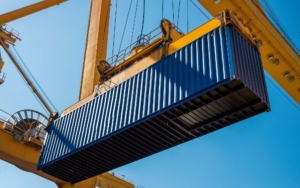
For large international FF&E projects, ocean freight is typically the most cost-effective method—particularly when dealing with container-sized volumes. It is well-suited for items that are not on a rush timeline and can be staged and consolidated before the ship date. Transit times typically range from two to eight weeks depending on the origin and destination, so planning ahead is essential. A reliable partner who manages customs clearance and final-mile delivery at the destination port is critical for making ocean freight work for FF&E.
Intermodal Shipping
If your supply chain spans multiple regions or countries, intermodal shipping may be the most efficient solution. It combines different modes—rail, truck, and ocean—into a single coordinated journey. When executed well, intermodal reduces handling, optimizes costs, and can move cargo from interior manufacturing locations to distant project sites more efficiently than any single mode alone. The key is working with a team experienced in FF&E logistics who can manage the handoffs between modes without losing visibility or chain of custody.
How Captain Supports FF&E Logistics Operations
Managing a complex FF&E project across multiple vendors, modes, and geographies requires more than a spreadsheet and a good relationship with a freight broker. It requires a platform that gives you real-time visibility into every shipment, flags exceptions before they become delays, and keeps all your project logistics data in one place. Captain’s Control Tower platform is built for exactly this kind of multi-vendor, multi-modal complexity.
Key capabilities that apply directly to FF&E logistics management include:
- Real-time shipment tracking: Monitor every FF&E shipment—ocean, air, and ground—in a single dashboard. When a vessel is delayed or a customs hold is placed, you know immediately and can communicate with your installation team accordingly.
- Exception management: Automated alerts notify your team the moment a shipment deviates from its planned schedule, giving you time to arrange alternative solutions before the impact reaches your project site.
- Customs documentation management: Keep all entry documentation, HS codes, and duty records organized and accessible—reducing the risk of clearance delays caused by documentation errors.
- Multi-vendor coordination: When multiple suppliers are contributing to a single project consolidation, Captain keeps all the associated purchase orders, bookings, and shipment records linked and visible—eliminating the manual tracking that leads to missed consolidation windows.
Partner With CargoTrans for Stress-Free FF&E Logistics
If you have ever lost sleep wondering where your next shipment of tables or light fixtures ended up—or whether they will arrive in one piece—you are not alone. Effective FF&E logistics can feel like juggling a hundred tasks at once across too many time zones. That is why you need a partner who knows the ins and outs of shipping complex, fragile, high-value cargo internationally and can tailor solutions to your specific project requirements.
CargoTrans brings decades of freight forwarding and customs brokerage experience to every FF&E engagement. Our team manages everything from initial sourcing coordination and warehousing to ocean and air freight, domestic distribution, and final-mile delivery—all tracked through the Captain platform so you always know where your project stands. When import questions arise, our customs consulting team provides the classification and compliance expertise to keep your goods moving without surprise duties or clearance delays.
Ready to elevate your approach to furniture, fixtures, and equipment supply chains? Contact the CargoTrans team today. We will help you orchestrate dependable deliveries—giving you more time to focus on creating inspiring, fully furnished spaces and less time managing logistics emergencies.