When it comes to ocean logistics involving freight, shippers are often faced with the choice between Full Container Load (FCL) and Less than Container Load (LCL) shipping. Both options serve distinct purposes, and understanding the key differences can help you make the best decision for your business. In this guide, we’ll explore how FCL and LCL shipping stack up in terms of speed, cost, flexibility, handling, complexity, regulations, and damage risk — and show you how smarter logistics decisions start with the right technology.
Quantify your exposure in 20 minutes
Our trade strategists run your last 90 days of entries through Captain to surface refund eligibility, Section 232 traps and PNTR risk.
What Is FCL? What Is LCL?
Before jumping into the pros and cons, it’s important to understand what each shipping mode actually means and when each one is most commonly used by importers and exporters around the world.
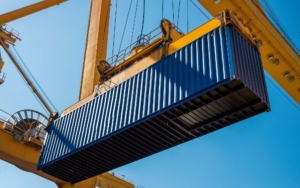
- FCL (Full Container Load): Your goods fill an entire container, whether you use all the space or not. The container is sealed and only holds your shipment, making it ideal for larger volumes. Standard container sizes are 20-foot (TEU) and 40-foot (FEU).
- LCL (Less than Container Load): Your cargo shares space in a container with goods from other shippers. This is a cost-effective solution for smaller shipments that don’t require an entire container.
Choosing between the two ultimately comes down to your shipment volume, budget, and timeline. Understanding the nuances of each model helps you optimize costs and protect your cargo throughout the supply chain.
Speed: Which Gets There Faster?
Transit time is one of the most critical factors when selecting a shipping mode. Whether you’re restocking inventory or fulfilling customer orders, delays can be costly. Here’s how FCL and LCL compare on speed.
FCL Speed Advantages
With FCL, your goods are the only ones in the container — they can be loaded directly onto the ship without waiting for other cargo to fill the space. The container also moves through customs quickly, holding a single consignee’s shipment. This dedicated container approach eliminates the consolidation and deconsolidation steps that add time to LCL shipments.
- No waiting for cargo consolidation from other shippers
- Faster customs clearance with a single consignee bill of lading
- Less likelihood of delays caused by other shippers’ cargo issues
LCL Speed Considerations
LCL can take longer. The consolidation process — combining goods from different shippers — adds extra steps before the vessel departs. At the destination port, deconsolidation takes additional time as cargo is sorted by consignee. LCL containers are also more likely to face delays at customs, as shared shipments may be subject to more scrutiny due to multiple parties involved.
- Consolidation at origin adds 2–5 days before vessel departure
- Deconsolidation at destination adds transit time
- Customs holds affecting one shipper can delay all cargo in the container
Cost: The Budget X-Factor
Cost is typically the deciding factor for many shippers. The right choice depends on your shipment volume, frequency, and whether you can plan shipments in advance to maximize container utilization.
FCL Cost Structure
FCL shipping tends to be more expensive upfront because you’re paying for the entire container. However, the cost per unit of goods transported is lower when you can fill most or all of the space. FCL avoids shared customs fees and additional handling charges that accumulate with LCL. For high-volume shippers, FCL frequently delivers better total landed cost despite the higher initial outlay.
LCL Cost Structure
LCL is the more affordable option if you’re shipping smaller loads — you only pay for the space your cargo occupies in the container. However, there are hidden costs with LCL, including:
- CFS (Container Freight Station) charges for consolidation and deconsolidation
- Shared customs handling fees spread across consignees
- Potential demurrage charges when cargo sits at the port too long
- Additional insurance costs due to higher handling risk
Use our tariff calculator to estimate total shipping costs for your specific routes and cargo volumes before committing to a shipping mode.
Which Option Is More Adaptable?
Flexibility matters most when your shipping volumes are unpredictable or when you’re testing new trade lanes. Here’s how each mode performs when plans change.
FCL Flexibility
FCL is less flexible in terms of container use — you need enough goods to justify the cost of an entire container. However, it offers more control and convenience, as you can plan around your own timelines without waiting for others to fill the container. For businesses with predictable, high-volume shipments, FCL provides a reliable framework.
LCL Flexibility
LCL provides more flexibility for smaller, irregular shipments. It allows businesses to ship on-demand without worrying about filling an entire container, making it a great option for companies that don’t need to send large volumes regularly. E-commerce sellers, small importers, and businesses launching in new markets often rely on LCL for exactly this reason.
Handling and Complexity: Fewer Touchpoints Mean Fewer Problems
The number of times cargo is touched during transit directly correlates with the risk of damage, loss, or error. Understanding the handling differences between FCL and LCL helps you assess risk before booking.
FCL Handling
With FCL, your cargo is sealed and untouched from the point of origin to the destination, reducing the risk of damage and simplifying the process. FCL shipments are generally more straightforward, with fewer interaction points along the way. One shipper, one seal, one bill of lading — this simplicity translates to fewer opportunities for error.
LCL Handling
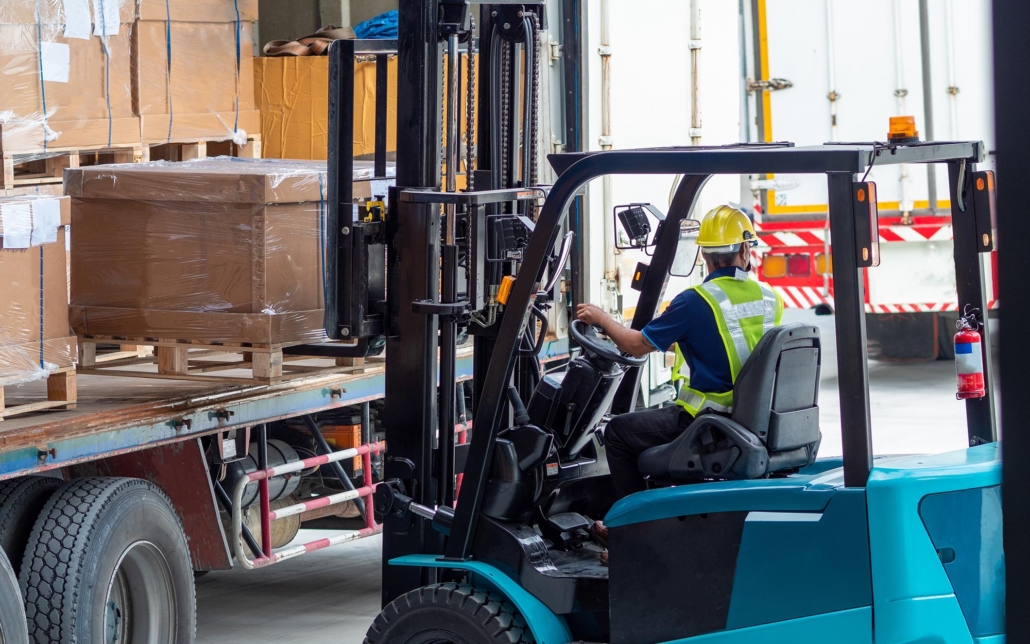
LCL shipments require more handling since your goods are consolidated with other shipments. Your cargo must be loaded, unloaded, and handled at multiple points, including during consolidation and deconsolidation. More handling means more opportunities for damage or loss, especially if the goods in your container vary in type and size.
- Pickup from shipper’s facility
- Delivery to Container Freight Station (CFS)
- Consolidation with other shippers’ cargo
- Loading onto the vessel
- Ocean transit
- Offloading at destination port
- Deconsolidation at destination CFS
- Delivery to consignee
Each step in an LCL shipment is an additional touchpoint where cargo can be misrouted, damaged, or delayed. Supply chain visibility software is especially important for LCL shippers who need to track cargo through these multiple handoffs.
Audit your derivative HTS exposure
Our brokers will review your top 50 derivative HTS lines and flag Section 232 valuation risk before CBP does.
Damage Risk: The More They Touch It, the More It Breaks
Cargo damage is one of the most frustrating and costly outcomes of international shipping. Understanding the damage risk profile of FCL vs. LCL helps you choose the right mode for fragile, high-value, or sensitive goods.
FCL Damage Risk
Your goods in an FCL shipment are more protected. Since no other cargo shares the container, the risk of physical damage or contamination is reduced. Fewer touches mean fewer opportunities for things to go wrong during loading and unloading. You also control how the container is packed, which allows you to optimize bracing and protection for your specific cargo type.
LCL Damage Risk
LCL carries a higher risk of damage. Cargo is handled multiple times during consolidation and deconsolidation, and it shares space with other goods that may not be packed or secured in the same way. Cargo in LCL shipments can shift during transit, and the risk of contamination from other products is higher — particularly for food, pharmaceutical, or chemical shipments.
Regulations: Clearing Customs
Customs clearance is a major variable in international shipping timelines. Understanding how FCL and LCL interact with customs procedures helps you plan for realistic delivery windows and avoid costly surprises.
FCL and Customs
Customs clearance is typically more straightforward with FCL because the container only contains your goods. There’s no shared responsibility with other shippers, and delays are less likely unless there’s an issue with your specific shipment. A single bill of lading and single importer of record simplifies documentation and compliance.
LCL and Customs
LCL containers are shared, which means if another shipper’s goods are flagged, your cargo could be delayed — even if it’s not the cause of the problem. This shared risk extends to customs duties, where fees or penalties may be spread across all shippers in the container. Working with experienced trade advisory services ensures you understand your compliance obligations regardless of shipping mode.
Environmental Impact: Which Is Greener?
Sustainability is increasingly a factor in shipper decisions, with many companies tracking their Scope 3 emissions from logistics. Here’s how FCL and LCL compare on environmental impact.
- FCL shipments can have a larger carbon footprint per unit when shipped partially full. If a container isn’t used to its full capacity, the environmental impact per unit of goods is higher.
- LCL is more environmentally friendly for smaller shipments since space is optimized by consolidating goods from multiple shippers. Fully utilized containers reduce the overall carbon footprint per shipment.
From a sustainability perspective, LCL can be the greener choice for small shippers — provided the consolidation logistics are efficiently managed.
Avoiding Hold-ups: Delays and Customs
Supply chain disruptions are a persistent reality in global trade. Knowing how each shipping mode responds to delays helps you build resilience into your logistics planning. Understanding your exposure to supply chain challenges is the first step toward proactive risk management.
FCL and Delay Management
Because FCL containers don’t require consolidation, they generally move more quickly through the logistics chain. If your shipment does encounter delays, it’s easier to resolve issues when the container only holds your goods — you deal directly with customs, carriers, and port authorities without coordinating across multiple parties.
LCL and Delay Exposure
LCL shipments are more prone to delays due to the consolidation process and customs holds. Since multiple shippers are involved, one shipper’s issues can cause delays for everyone in the container. LCL containers may sit longer at the port awaiting consolidation or deconsolidation, especially during peak seasons when freight volumes surge. Leveraging a Control Tower platform gives operations teams early warning when LCL shipments encounter bottlenecks.
How Shipping Seasons and Volume Affect Rates for FCL and LCL
Shipping seasons and cargo volume play crucial roles in determining rates for Full Container Load and Less-than-Container Load shipments. Understanding these fluctuations helps you make better shipping decisions and potentially save on costs throughout the year.
Peak Season Rates
Shipping demand spikes during certain times of the year, known as peak seasons. In the lead-up to major holidays or back-to-school periods, global trade activity increases sharply. During these times, space on container ships becomes a premium commodity, driving up the cost of FCL and LCL shipments alike. However, LCL shipments can see steeper price hikes as many small to mid-size shippers rush to move goods in smaller batches, competing for the same consolidated container space.
Off-Peak Advantages
Shipping during off-peak seasons offers a more cost-effective option for both FCL and LCL. Carriers tend to lower rates to fill up container space during quieter months. If your business can plan around these cycles, opting for off-peak shipping times provides significant cost savings — especially for smaller loads moving through LCL channels.
Volume’s Impact on Rates
If you consistently ship high volumes, securing an entire container might offer better long-term savings compared to piecing together multiple LCL shipments. However, if you’re shipping lower volumes or just a few pallets, LCL is more practical. Effective supply chain risk management includes planning your container utilization strategy around both volume thresholds and seasonal rate cycles.
FCL vs. LCL: A Quick Comparison
Use this summary to quickly compare the two shipping modes across the factors that matter most to your business:
- Volume: FCL for 15+ CBM; LCL for smaller loads
- Speed: FCL is faster — no consolidation delays
- Cost: LCL is cheaper for small loads; FCL wins at scale
- Risk: FCL has lower damage and customs risk
- Flexibility: LCL offers more on-demand shipping options
- Sustainability: LCL is greener when containers are fully utilized
- Complexity: FCL is simpler to manage with fewer touchpoints
The ability to track ocean, air, and land freight in a unified dashboard is essential for businesses managing both FCL and LCL shipments simultaneously. Real-time visibility allows you to respond proactively to delays and communicate accurate ETAs to customers.
Ship FCL and LCL Loads With the Industry-Leading International Freight Shipping Partner
At CargoTrans, we handle both FCL and LCL shipments with expert care. Whether you’re shipping a full container or a smaller load, we’ve got you covered. Our international freight solutions make sure your cargo moves according to plan, regardless of size. Our freight consolidation guide can also help you determine when LCL consolidation makes financial sense for your specific trade lanes.
Keep your business running smoothly across the globe — partner with CargoTrans for freight that moves on your terms.