
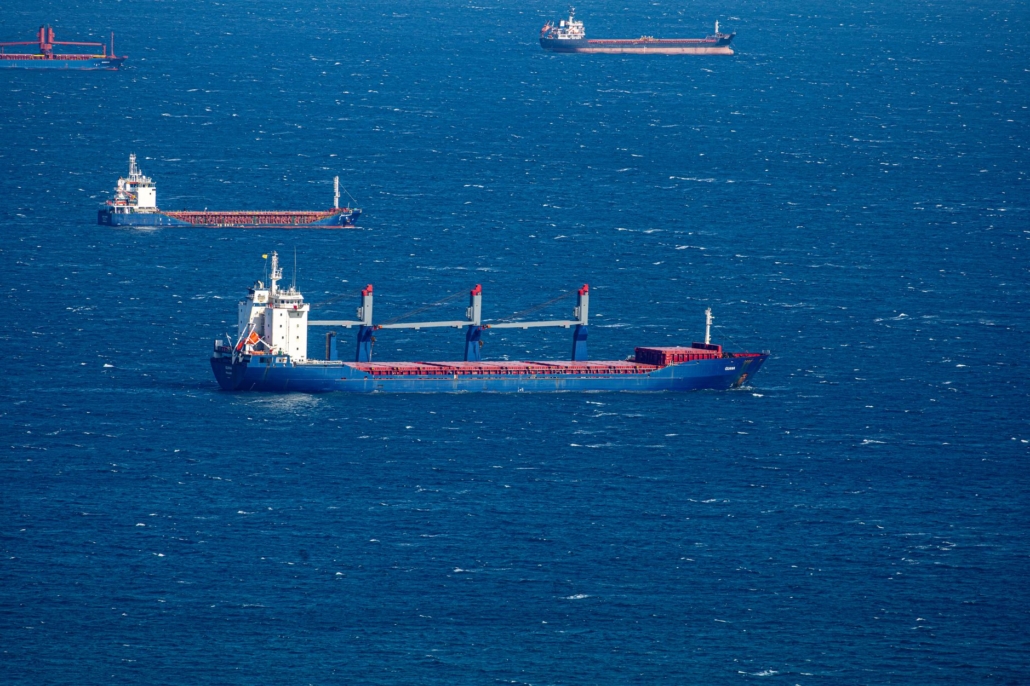
Under CIF Incoterms 2020, the seller delivers the goods on board the vessel at the port of shipment, pays the freight to the named port of destination, and buys cargo insurance for the buyer at the minimum level of Institute Cargo Clauses (C), covering at least 110 percent of the contract price. Risk passes to the buyer when the goods are on board at origin, even though the seller pays the voyage. Cost, Insurance and Freight applies only to sea and inland waterway transport.
For a US importer, CIF means the buyer still files the US entry, posts the bond and pays duty, and the CIF price must be broken down before it becomes a customs value, because the United States values imports without international freight and insurance. This guide covers the obligations, the insurance minimum, the risk split, the customs value and the container problem. All 11 rules are in the Incoterms chart.
Quantify your exposure in 20 minutes
Our trade strategists run your last 90 days of entries through Captain to surface refund eligibility, Section 232 traps and PNTR risk.
Seller and Buyer Obligations Under CIF
The CIF seller clears the goods for export, delivers them on board the vessel, contracts and pays for carriage to the named port of destination, buys the cargo insurance, and gives the buyer the usual transport document and evidence of insurance. The transport document must cover the contract goods, be dated within the shipment period, let the buyer claim the goods at destination and, unless otherwise agreed, let it sell the goods in transit. When the bill of lading is negotiable and issued in several originals, the full set goes to the buyer.
The buyer pays the price, accepts conforming documents, receives the goods at the destination port, and pays transit costs and unloading, including lighterage and wharfage, unless those were for the seller’s account under its carriage contract. It also carries out and pays for all US import formalities.
| Obligation | Foreign seller | US buyer |
|---|---|---|
| Delivery and risk | Delivers on board the vessel at the port of shipment | Bears risk from on board |
| Ocean freight | Contracts and pays to the named US port | None |
| Insurance | Buys ICC (C) cover, 110 percent of price, buyer can claim directly | Pays for any extra cover it requests |
| Export clearance | Carries out and pays | Assists on request |
| Transport document | Provides bill of lading for the destination port | Accepts conforming documents |
| Destination unloading | Only if in its carriage contract | Pays unloading, lighterage and wharfage otherwise |
| US entry, bond, duty | Assists on request | Files as importer of record, posts bond, pays duty and fees |
| ISF data | Supplies booking, stuffing and supplier data | Files as the goods' purchaser or consignee |
Minimum Insurance: Institute Cargo Clauses (C)
CIF requires the seller to buy cargo insurance complying with Clauses (C) of the Institute Cargo Clauses (LMA/IUA) or similar clauses, unless otherwise agreed or customary in the trade. The cover must be for at least the contract price plus 10 percent, in the currency of the contract, from the point of delivery to at least the named port of destination. It must be placed with reputable underwriters and entitle the buyer, or anyone else with an insurable interest, to claim directly from the insurer.
Institute Cargo Clauses (C) cover a list of named risks subject to itemized exclusions, while Clauses (A) cover all risks, again subject to exclusions. During the drafting of Incoterms 2020, the ICC decided to keep Clauses (C) as the CIF default because CIF is used mostly in maritime commodity trades, and to move the multimodal rule, CIP, to Clauses (A). The parties may agree higher cover under CIF, and the seller must provide war and strikes cover on the buyer’s request and at the buyer’s cost, if procurable.
Three gaps catch US buyers. Clauses (C) respond only to the listed risks, so a loss outside that list is uninsured. The policy runs only to the named port, so the leg to an inland warehouse needs separate insurance. And the ICC notes that the insurer is bound only by the policy it issued, not by the Incoterm, so the buyer should read the certificate, not assume it.
Risk Passes at Loading, Cost at Destination
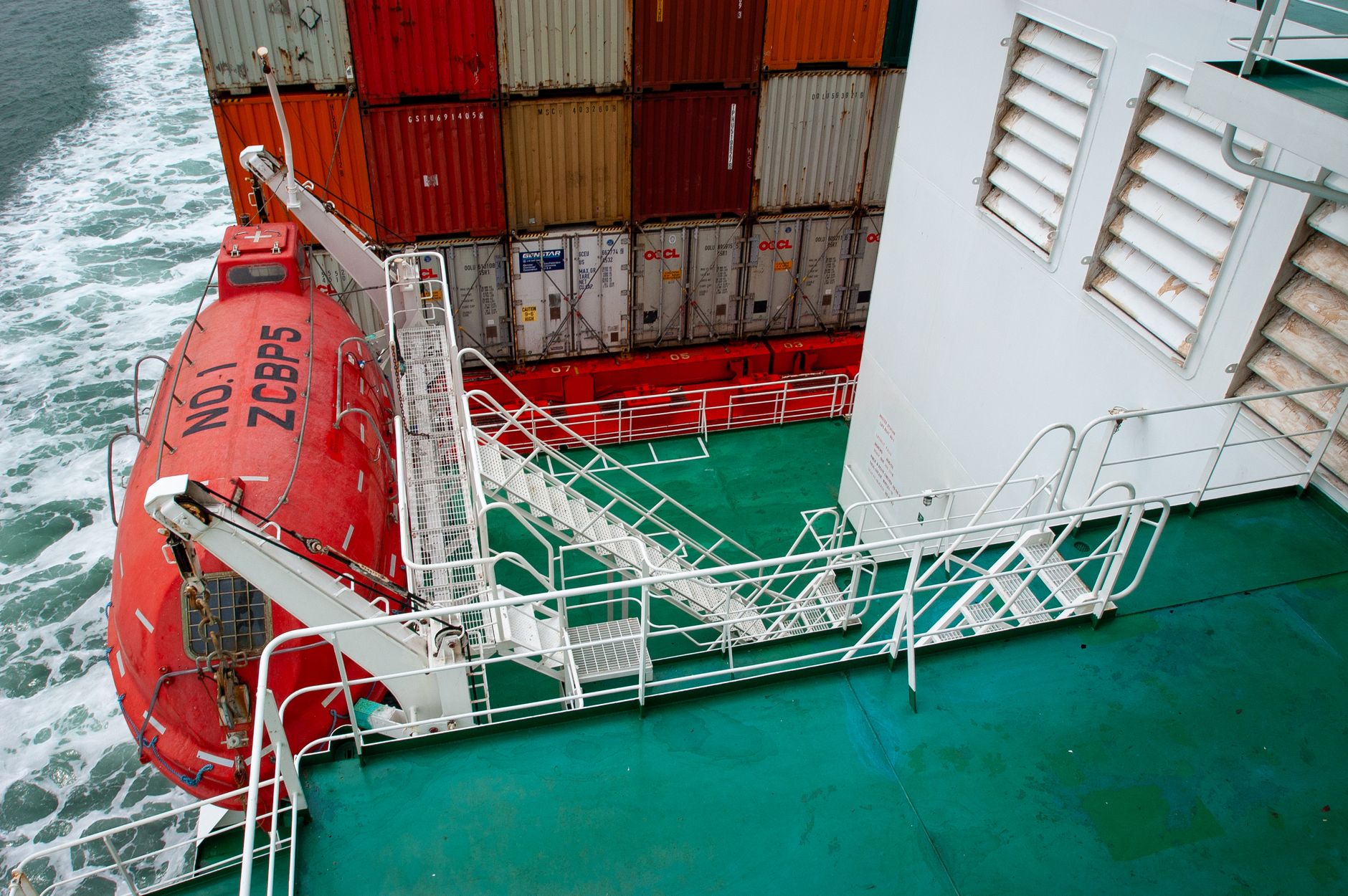
Under CIF, risk and cost split at two different ports. Risk passes when the goods are on board at the port of shipment; the seller has then performed its delivery obligation whether or not the goods arrive in sound condition, in full or at all. Cost runs further: the seller pays freight and insurance to the named destination port. A buyer who reads CIF Los Angeles as the seller being responsible until Los Angeles has misread the rule, and its recourse for a loss at sea is the insurance policy, not the seller.
Two drafting points follow. The contract always names the destination port, but it may not name the shipment port, which is where risk passes; the ICC advises naming it. And when cargo moves on a feeder vessel before the main ocean vessel, the default is that risk passes on delivery to the first carrier, so the buyer’s risk starts at the feeder port unless the contract says otherwise.
Buyers often ask how FOB and CIF differ. Both deliver on board at the port of shipment, so risk passes at the same point. Under FOB the buyer books and pays ocean freight and decides whether to insure; under CIF the seller does both and builds the cost into the price. The FOB rule and its common confusions are covered in our guide to FAS and FOB.
CIF and US Customs Value
The United States does not assess duty on the CIF price. Under 19 U.S.C. 1401a(b)(4)(A), the price actually paid or payable excludes costs, charges or expenses for transportation, insurance and related services incident to the international shipment from the country of exportation to the US place of importation. On a CIF invoice, the ocean freight and the insurance premium are inside the price and must be deducted to reach transaction value.
The deduction has to be supportable with the actual amounts, not a rule-of-thumb percentage. A CIF invoice that shows the goods value, freight and insurance as separate lines, backed by the seller’s freight bill and insurance certificate, gives the importer the documents to defend the deduction. When the seller will not disclose its freight cost, the buyer has a valuation problem that FOB or FCA terms would have avoided. Our customs valuation guide covers the method and the statutory additions that still apply.
The error compounds. The merchandise processing fee of 0.3464 percent under 19 CFR 24.23 is calculated on the value determined under 1401a, so an undeducted CIF price overstates both duty and MPF, while the harbor maintenance fee of 0.125 percent applies separately to vessel cargo at covered ports. The entry is still the buyer’s: under CIF the US importer is importer of record, files directly or through a licensed customs brokerage, and posts the bond required for release under 19 CFR 142.4.
Sea-Only Use and Container Cargo
CIF may be used only for sea and inland waterway transport. The ICC adds that where goods are handed to a carrier at a container terminal, which is usual for containerized freight, the appropriate rule is CIP rather than CIF. The reason is risk: under CIF the seller keeps risk until the container is on board, for days in which the box sits in a terminal under the carrier’s control, not the seller’s.
CIF remains the right fit for bulk and break-bulk cargo loaded directly over the ship’s side, and for commodity sales where documents are traded while the cargo is afloat. For a US importer buying containers from a factory, the alternatives are CIP, which keeps seller-paid freight and insurance but moves risk to the first carrier and raises cover to Clauses (A), or FCA, under which the buyer controls freight and insurance itself, as explained in our FCA Incoterms guide.
Whatever the rule, the US importer’s landed cost has to add the items CIF leaves out: destination unloading and terminal charges not in the seller’s carriage contract, US duties and fees, customs brokerage, inland delivery and any extra insurance beyond the named port.
Frequently Asked Questions
Who pays freight on CIF?
The seller pays the main ocean freight to the named port of destination and the cost of loading on board. The buyer pays unloading at the destination port, including lighterage and wharfage, unless those charges were part of the seller’s carriage contract, plus all US import costs.
What's the difference between FOB and CIF?
Under both rules risk passes when the goods are on board the vessel at the port of shipment. Under FOB the buyer contracts and pays the ocean freight and decides on insurance; under CIF the seller pays freight to the destination port and buys minimum insurance for the buyer.
What insurance does the seller have to buy under CIF?
Cover complying with Institute Cargo Clauses (C) or similar, for at least 110 percent of the contract price in the contract currency, from loading to at least the destination port, unless the parties agree otherwise. The buyer can claim directly from the insurer.
Is CIF value used for US customs duty?
No. The United States values imports on transaction value, which excludes international freight and insurance under 19 U.S.C. 1401a(b)(4)(A). On a CIF purchase those amounts are deducted, and the deduction should be supported by actual freight and insurance documents.
Can CIF be used for container shipments?
It can be written into a contract, but the ICC says that when goods are handed to a carrier at a container terminal the appropriate rule is CIP rather than CIF. Under CIF the seller keeps risk until the container is on board.
Who is the importer of record under CIF Incoterms?
The US buyer. CIF gives the seller no import obligation, so the buyer, or a licensed customs broker it designates, files the entry, posts the bond and pays duty and fees.
Does CIF insurance cover delivery to my warehouse?
Not by default. CIF cover runs from loading to at least the named port of destination. The leg from the port to an inland warehouse needs its own cover unless the policy is extended by agreement.