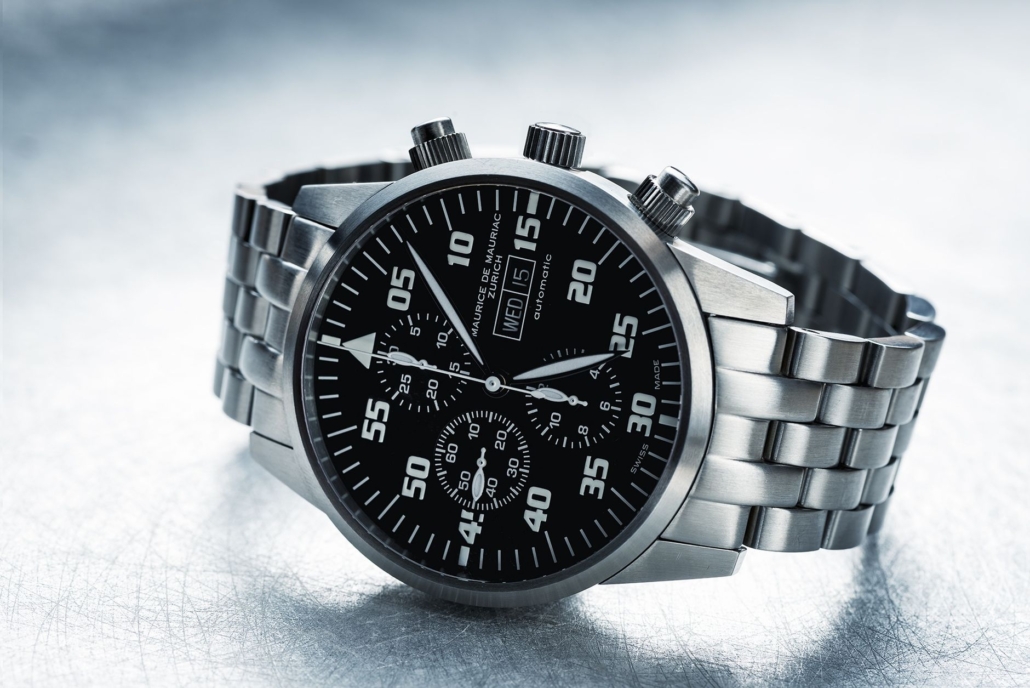
Switzerland tariffs on goods entering the United States are capped at a 12.5% combined rate for most products: under the Section 301 forced-labor action in force since July 24, 2026, a Swiss good whose column 1 rate is below 12.5% pays whatever brings the total to 12.5%, and a good already at or above 12.5% pays nothing extra. The 15% all-in rate from the November 2025 US-Switzerland framework no longer applies, because it was an IEEPA reciprocal tariff and those ended under Executive Order 14389 on February 20, 2026. Section 232 goods sit outside the cap: patented medicines pay a 15% total, steel and aluminum pay 50%, listed steel and aluminum derivatives pay 25%, cars and auto parts pay 25%, and equipment on the agricultural, fixed industrial and mobile equipment lists pays 15%.
This guide is for US importers of Swiss watches, pharmaceuticals, machine tools, instruments and food, and for Swiss exporters who sell on delivered terms. It explains how the cap works line by line, how specific and compound rates are converted, which Swiss goods are exempt, and how origin is decided for goods assembled in Switzerland. To price a specific HTS number, use the Switzerland to US tariff calculator. Rates are checked against HTSUS Revision 23 and the Federal Register as of November 14, 2026.
Quantify your exposure in 20 minutes
Our trade strategists run your last 90 days of entries through Captain to surface refund eligibility, Section 232 traps and PNTR risk.
Current US Duty Layers on Swiss Goods
A Swiss-origin good pays either the capped Section 301 forced-labor duty or a Section 232 duty, never both, on top of its column 1 rate, plus any antidumping or countervailing duty that covers the product. Switzerland has no free trade agreement with the United States, so the column 1 general rate is the starting point for every line.
The headline SERP figure, a US tariff of 12.5% on Switzerland, refers to that forced-labor duty. USTR imposed it in a notice published on July 28, 2026 at 91 FR 47318, listing Switzerland among 54 economies that had failed to impose and enforce a ban on goods made with forced labor. Unlike the flat 10% or 12.5% charged to most of the list, Switzerland, Japan and South Korea received a combined ceiling of 12.5%. Our guide to Section 301 forced labor tariffs covers the full economy list.
What Happened to the 15% Framework Rate
The United States, Switzerland and Liechtenstein announced a framework on November 14, 2025, and a USTR and Commerce notice at 90 FR 59281 applied the higher of the MFN rate or a 15% combined rate to Swiss goods entered from that date, with carve-outs for certain farm goods, natural resources, aircraft and generic pharmaceuticals. That rate was a modification of the IEEPA reciprocal tariff in Executive Order 14257, so it ended when Executive Order 14389 terminated the IEEPA duties. The headings 9903.02.82 and 9903.02.83 are still printed in Chapter 99 but are not collected. The notice expected a final Agreement on Reciprocal Trade by the first quarter of 2026; no implementing notice for one has been published in the Federal Register as of November 14, 2026.
The 12.5% Forced-Labor Cap and How It Applies
The cap is applied through two headings that split Swiss goods by their column 1 rate. A good with an ad valorem or ad valorem equivalent rate below 12.5% is declared under 9903.05.74 and pays the difference: a machine tool part at 4.7% pays 7.8%, chocolate at 6% pays 6.5%, and a duty-free instrument pays the full 12.5%. A good at 12.5% or above is declared under 9903.05.73 and pays no Section 301 duty, so its total stays at the column 1 rate.
Specific and compound rates need a conversion first. U.S. note 52(k) defines the ad valorem equivalent as the column 1 duty payable divided by the customs value. The note’s own example is 50 cents per kilogram on one kilogram valued at $10, which is 5%; a Swiss good with that rate would pay a further 7.5%. Because the comparison is made entry by entry, two shipments of the same product at different values can land in different headings, and the declared value has to be right before the heading is chosen.
Swiss Goods Outside the Duty
Several groups pay no forced-labor duty; these four matter most. A Switzerland-only list in note 52(j)(3), entered under 9903.05.98, covers live animals, cut flowers and plants, certain wood and plywood, cork, silk, pearls, unworked and worked diamonds and precious stones in 7101 to 7103, and a few metals such as 7205.10 granules and 8112.92.07. The general list in note 52(b) covers gold in 7108, most medicaments in 3004 and many products in 3002. Civil aircraft and parts meeting general note 6 enter under 9903.05.88. Any good that pays a Section 232 duty is exempt through 9903.05.90.
Gold matters most by value. Unwrought gold bars in 7108.13.55 carry a Free column 1 rate and are on the note 52(b) list, so refined Swiss gold currently enters with no Chapter 99 duty.
Watches, Pharma and Machinery
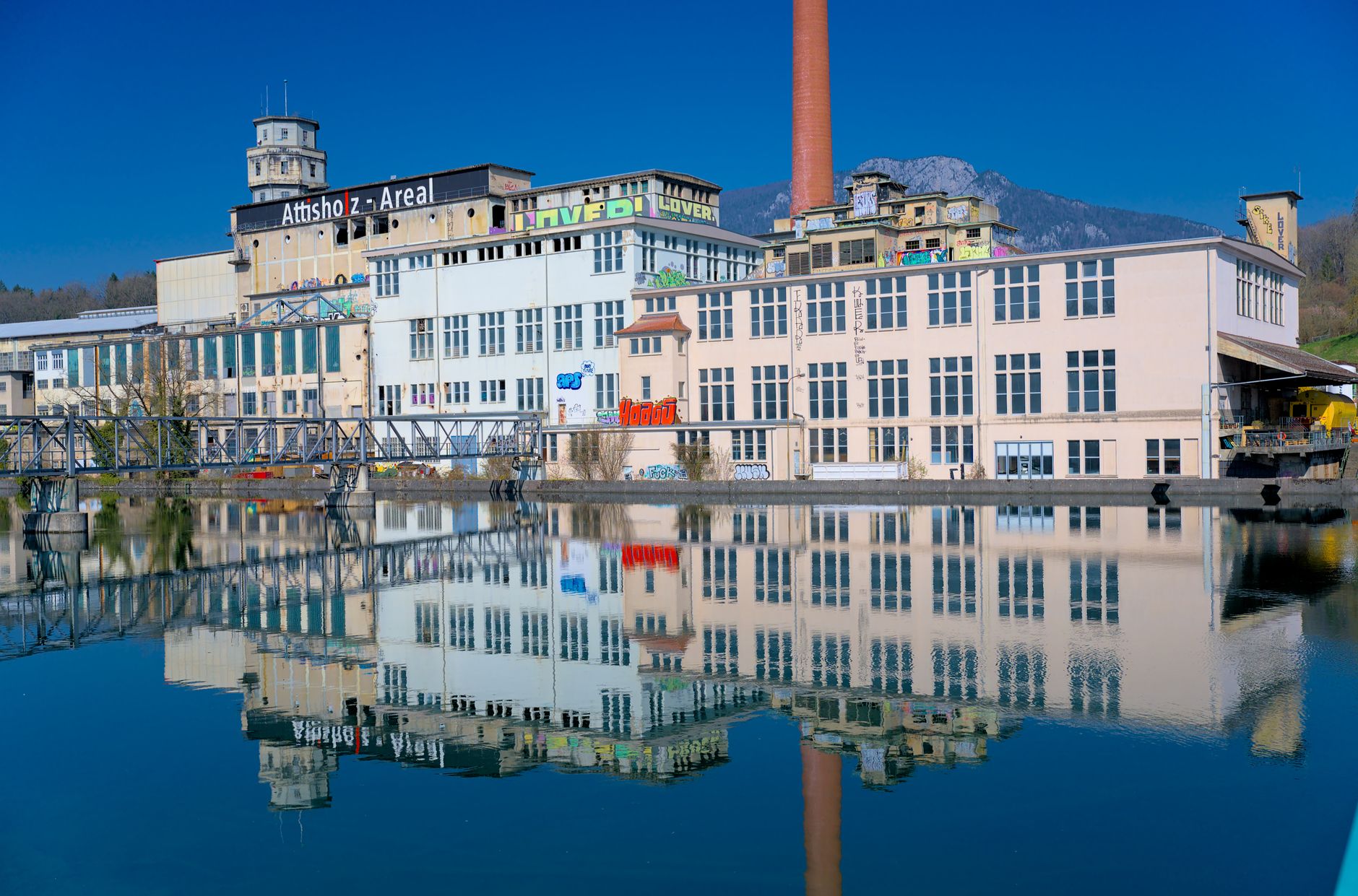
Swiss watches pay 12.5% in total in almost every case. Wristwatches in headings 9101 and 9102 carry compound column 1 rates, such as $1.61 each plus 4.4% on the case and strap for an automatic watch in a precious-metal case with 17 jewels or fewer (9101.21.80); with more than 17 jewels the watch itself is Free under 9101.21.50. Converted under note 52(k), that rate is far below 12.5% for any watch worth more than about $20, so the entry goes under 9903.05.74 and the Section 301 duty fills the gap to 12.5% of the customs value. For a watch entered at $8,000, that is $1,000 in combined duty. Straps and bracelets entered with the watch are classified with it under Chapter 91 additional U.S. note 2.
Patented medicines are governed by Section 232, not by the cap. Under Proclamation 11020 (91 FR 18183) and heading 9903.04.62, patented pharmaceutical articles of Switzerland or Liechtenstein pay a combined 15% when their column 1 rate is lower, against 100% for origins without a partner heading. Switzerland and Liechtenstein are also among the 19 jurisdictions whose specialty products, such as orphan drugs, plasma-derived therapies and cell and gene therapies, can qualify for a zero rate under the BIS notice of September 23, 2026 (91 FR 60360). Generic pharmaceuticals are not subject to the Section 232 pharmaceutical tariffs at this time, and most 3004 lines are on the forced-labor exemption list, so a Swiss generic medicament in heading 3004 enters at its column 1 rate. The Section 232 pharmaceutical guide on this blog covers heading selection and the company-specific rates.
Machinery splits on weight. Machining centers in 8457.10.00 sit on the note 16(c)(x) fixed industrial equipment list, so a Swiss machine whose steel is at least 15% of its weight pays a Section 232 duty under 9903.82.10 that brings the total to 15%, rather than the 12.5% cap. Mobile industrial equipment on the note 16(c)(xi) list pays 15% under 9903.82.22, a heading that names Switzerland. Parts in 8466.93 and any machine whose HTS line is not on the derivative lists stay on the 12.5% cap. Importers of machine tools should run the bill of materials against both lists before quoting landed cost; our industrial equipment customs broker page explains what that review involves. Swiss steel and aluminum themselves have no partner rate and pay the standard 50% under 9903.82.02, as our guide to steel and aluminum tariffs explains.
Duty Examples by HTS Line
The table prices eight common Swiss lines using MFN rates from the USITC HTS database and Chapter 99 of HTSUS Revision 23. Where an automated duty model and the Chapter 99 text disagreed, the table follows Chapter 99: the patented medicament row uses the Section 232 pharmaceutical heading, and the machining center row uses the derivative steel heading. Diamonds in 7102.39 are a further case where the Swiss list in note 52(j)(3) removes a duty that a country-level model would apply.
| HTS line | Product | MFN | Additional duty (Ch. 99) | Total |
|---|---|---|---|---|
| 9101.21.8000 | Automatic wristwatch, precious-metal case, 17 jewels or fewer | $1.61 each + 4.4% on case and strap | 301 top-up to 12.5% (9903.05.74) | 12.5% |
| 9102.21.5000 | Automatic wristwatch, other case, 2 to 17 jewels, strap not of textile or base metal | $1.75 each + 4.8% on case + 2.2% on strap | 301 top-up to 12.5% (9903.05.74) | 12.5% |
| 3004.90.9276 | Patented medicament in measured doses | Free | 232 pharma: 15% total (9903.04.62) | 15% |
| 8457.10.0015 | Machining center, 15% or more steel by weight | 4.2% | 232 derivative: 10.8% to a 15% total (9903.82.10) | 15% |
| 8466.93.9885 | Parts of metalworking machine tools | 4.7% | 301: 7.8% (9903.05.74) | 12.5% |
| 1806.32.90 | Chocolate, not filled | 6% | 301: 6.5% (9903.05.74) | 12.5% |
| 9018.90.8000 | Other medical instruments | Free | 301: 12.5% (9903.05.74) | 12.5% |
| 7108.13.5500 | Gold bars, 99.5% or more gold | Free | None: note 52(b), 9903.05.86 | 0% |
Reading the Table
Totals are percentages of the customs value. For the two watch rows, the total assumes the ad valorem equivalent of the compound rate is below 12.5%, which holds for any watch above roughly $20. A generic medicament in the same 3004 line pays its column 1 rate, Free in this case. The merchandise processing fee and, for ocean cargo, the harbor maintenance fee are charged on top. For lines not shown, the Switzerland to US tariff calculator applies the cap and the Section 232 headings to your HTS number and value.
Origin for Goods Assembled in Switzerland
The cap, the 15% pharmaceutical rate and the gold and diamond exemptions all attach to products of Switzerland, so origin decides the duty before classification does. A good assembled in Switzerland from imported components is Swiss for these headings only if the work in Switzerland substantially transforms it; final assembly, testing or packaging of components made in China or the EU does not change their origin. Goods that turn out to be Chinese pay China’s Section 301 and forced-labor duties, and EU goods pay the EU’s 10% cap instead of 12.5%.
Liechtenstein needs a separate check. It appears alongside Switzerland in the 2025 framework, but it is not one of the 60 economies named in the forced-labor action and has no 9903.05 heading, so a product of Liechtenstein is not declared under the Swiss headings. It does share the Swiss pharmaceutical heading 9903.04.62 and the mobile equipment heading 9903.82.22.
Watches carry their own marking rule. Chapter 91 additional U.S. note 4 requires the movement to be marked on a bridge or top plate with the country of manufacture, the name of the manufacturer or purchaser and the number of jewels in words, and the case to be marked inside or outside the back with its country of manufacture and maker. A watch with a Swiss movement in a case made elsewhere therefore shows two countries, and the origin declared on the entry should be settled before the first shipment; our guide to country of origin marking covers the general rules, and a CBP binding ruling is the cleanest way to lock in a position for a new movement and case combination.
One risk sits outside today’s rates. Switzerland is one of 16 economies in USTR’s separate Section 301 investigation of structural excess capacity, opened in March 2026 (91 FR 12886), and no determination had been published as of November 14, 2026. Swiss sourcing models should carry it as an open scenario. CargoTrans, a licensed customs broker since 1989, covers these actions on its tariff consulting firm practice.
Frequently Asked Questions
What is the import tax from Switzerland to the USA?
Most Swiss goods pay a combined 12.5%: their column 1 rate plus a Section 301 forced-labor duty that tops the total up to 12.5%, or nothing extra if the column 1 rate is already 12.5% or more. Patented medicines and machinery on the Section 232 equipment lists pay 15%, other listed steel and aluminum derivatives and cars pay 25%, Swiss steel and aluminum pay 50%, and gold bars and diamonds pay no Chapter 99 duty. Merchandise processing and harbor maintenance fees apply on top.
Is the 15% US tariff on Switzerland still in effect?
No. The 15% combined rate from the November 2025 framework was an IEEPA reciprocal tariff, and Executive Order 14389 ended all IEEPA tariffs on February 20, 2026. The rate in force today is the 12.5% cap under the Section 301 forced-labor action, except for patented pharmaceuticals, which pay 15% under Section 232.
How much tariff is charged on Swiss watches?
Swiss wristwatches pay 12.5% of the customs value in almost every case. Their compound column 1 rates, such as $1.61 each plus 4.4% on the case and strap, are converted to an ad valorem equivalent under note 52(k), and the Section 301 duty fills the gap to 12.5%. A watch entered at $8,000 pays about $1,000.
What tariff applies to Swiss pharmaceuticals?
Patented Swiss pharmaceuticals pay a combined 15% under Section 232 heading 9903.04.62, and qualifying specialty products such as orphan drugs and plasma-derived therapies can qualify for 0%. Generic pharmaceuticals are not subject to the Section 232 pharmaceutical tariff, and most medicaments in heading 3004 are exempt from the forced-labor duty.
Do Swiss machine tools pay 12.5% or 15%?
It depends on the line and the steel content. Machining centers in 8457.10 and other equipment on the note 16(c)(ix) and (x) lists pay a 15% total under Section 232 when the listed metal is at least 15% of the weight. Machine tool parts in 8466.93 and machinery outside those lists pay the 12.5% cap.
Is Swiss gold subject to US tariffs?
No Chapter 99 duty applies to gold in heading 7108. Gold bars in 7108.13.55 have a Free column 1 rate and appear on the note 52(b) exemption list, so they are outside the forced-labor duty. Unworked and worked diamonds of Swiss origin are exempt through the Swiss-specific list in note 52(j)(3).
Does Switzerland have a trade deal with the United States?
Not a final one. The United States, Switzerland and Liechtenstein announced a framework on November 14, 2025, but its tariff terms ran through IEEPA and ended in February 2026, and no final Agreement on Reciprocal Trade has been implemented in the Federal Register. Switzerland’s current 12.5% ceiling comes from the forced-labor action itself.