
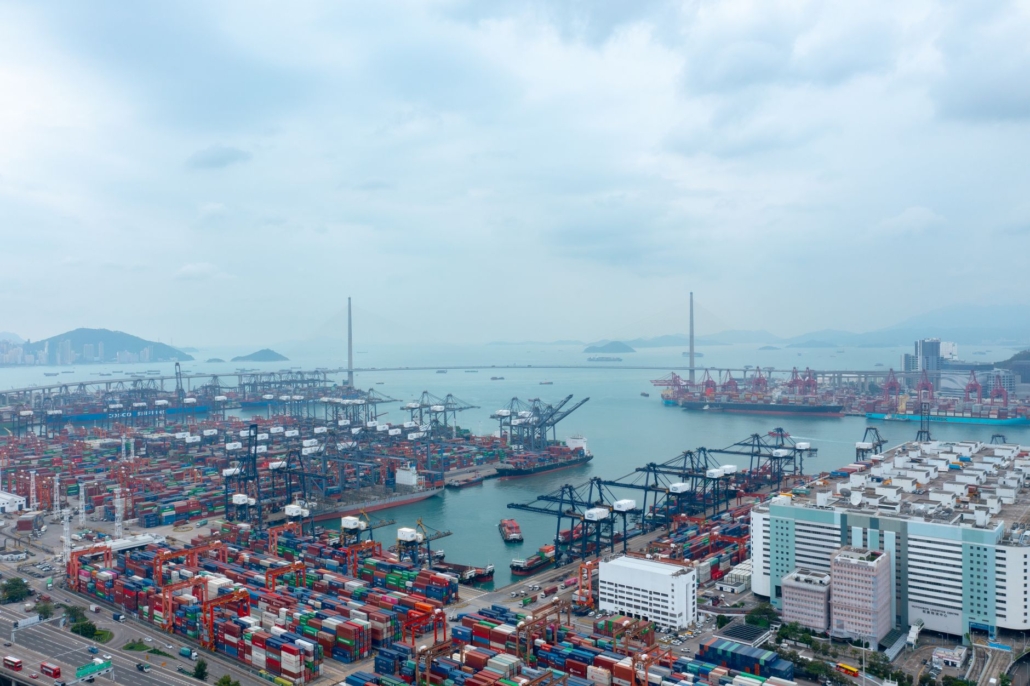
Under CFR Incoterms 2020, the seller delivers the goods on board the vessel at the port of shipment and pays the ocean freight to the named port of destination, but risk passes to the buyer once the goods are on board, and the seller owes no insurance. Cost and Freight applies only to sea and inland waterway transport. The ICC text itself tells the CFR buyer it would be well advised to buy cover for itself.
For a US importer, CFR means the seller books and pays the voyage while the buyer insures the cargo at sea, files the US entry as importer of record, pays duty and deducts the ocean freight from the CFR price to reach customs value. This guide covers the obligations, the risk and cost split, the insurance gap, the customs value and when FCA or CPT is the better rule. All 11 rules are in the Incoterms chart.
Quantify your exposure in 20 minutes
Our trade strategists run your last 90 days of entries through Captain to surface refund eligibility, Section 232 traps and PNTR risk.
Seller and Buyer Obligations Under CFR
The CFR seller clears the goods for export, delivers them on board, contracts carriage to the named port of destination on usual terms in a vessel normally used for that cargo, pays the freight and the cost of loading on board, and provides the usual transport document for the destination port. That document must cover the contract goods, be dated within the shipment period, let the buyer claim the goods at destination and, unless otherwise agreed, let it sell them in transit. The seller must also notify the buyer that the goods have been delivered.
The buyer pays the price, accepts conforming documents, receives the goods from the carrier at the destination port, and pays transit costs and unloading, including lighterage and wharfage, unless those were for the seller’s account under the carriage contract. It carries out and pays for all US import formalities. Neither party owes the other insurance; the seller only has to give the buyer, on request, the information it needs to insure.
| Obligation | Foreign seller | US buyer |
|---|---|---|
| Delivery and risk | Delivers on board the vessel at the port of shipment | Bears risk from on board |
| Ocean freight | Contracts and pays to the named US port | None |
| Insurance | None; gives information on request | Not owed to the seller, but needed to cover its own risk |
| Export clearance | Carries out and pays | Assists on request |
| Notice of shipment | Notifies the buyer that goods are delivered on board | Uses the notice to declare cover and plan entry |
| Destination unloading | Only if in its carriage contract | Pays unloading, lighterage and wharfage otherwise |
| US entry, bond, duty | Assists on request | Files as importer of record, posts bond, pays duty and fees |
Risk at Loading, Freight Paid to Destination
CFR splits risk and cost at two different ports. Risk passes when the goods are on board at the port of shipment, and the seller has then performed its delivery obligation whether or not the goods arrive in sound condition, in full or at all. Cost runs to the named port of destination, because the seller has paid the freight. The ICC’s example: goods loaded in Shanghai for carriage to Southampton are delivered, and at the buyer’s risk, in Shanghai.
Two drafting gaps widen the buyer’s exposure. The contract always names the destination port but may omit the shipment port, which is where risk passes and which the buyer needs to judge whether the freight element of the price is reasonable. And where a feeder vessel carries the goods to the main port, the default is that risk passes on delivery to the first carrier, so the buyer’s risk starts at the feeder port unless the contract names a later point.
Because risk passes on board, CFR delivers at the same point as FOB. The difference is who books and pays the ocean freight: the buyer under FOB, the seller under CFR. The FOB rule is covered in our guide to FAS and FOB.
The Insurance Gap for the CFR Buyer
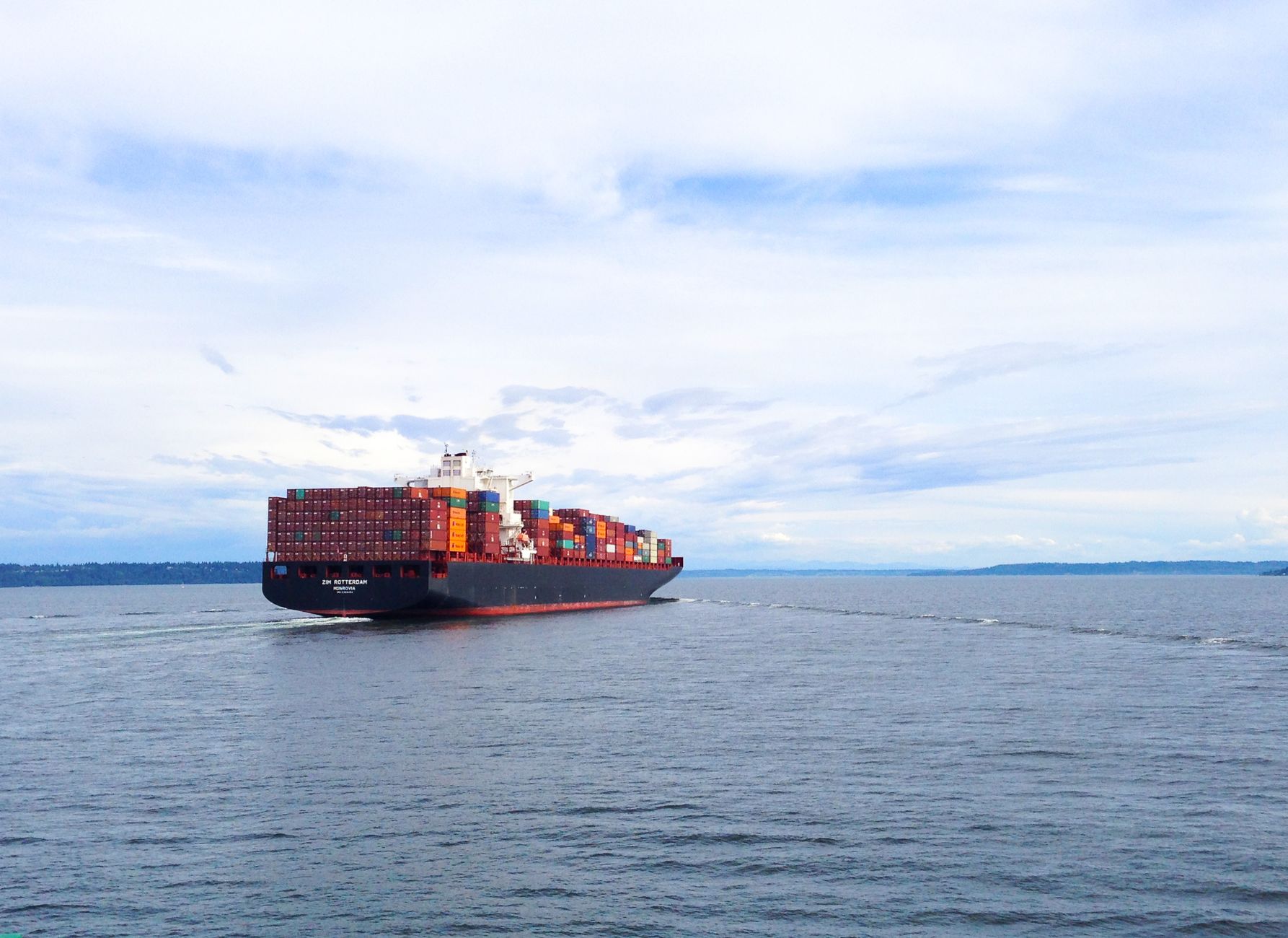
CFR, like its any-mode counterpart CPT, leaves the party that bears the risk at sea to arrange its own insurance. The seller chooses the carrier and the vessel, but the buyer carries the loss if the cargo is damaged or lost after loading, and the seller has no obligation to insure it. A US importer buying CFR without its own cover is self-insuring the ocean leg.
The practical fix is an open cargo policy that attaches automatically from loading at the origin port, with shipments declared as the seller’s shipping notices arrive. The seller’s duty to notify the buyer that the goods are on board also serves this purpose, and the contract can set a deadline for that notice and the data it must contain: vessel, bill of lading number, quantity and value.
Buyers often ask how CFR differs from CIF. The only difference is insurance: under CIF the seller must buy Institute Cargo Clauses (C) cover for at least 110 percent of the contract price for the buyer’s benefit; under CFR it buys nothing. Delivery, risk, freight and documents are otherwise the same, as set out in our CIF Incoterms guide. A buyer with an open policy often prefers CFR, because it insures on its own terms rather than relying on minimum cover chosen by the seller.
CFR and US Customs Value
The CFR price is not the US customs value, because it contains the ocean freight. Under 19 U.S.C. 1401a(b)(4)(A), the price actually paid or payable excludes costs for transportation, insurance and related services incident to the international shipment from the country of exportation to the US place of importation. The importer deducts the ocean freight from the CFR price, and the deduction must reflect the actual freight, supported by the seller’s freight invoice or bill of lading charges, not an estimate.
The buyer’s own insurance premium never enters the calculation: it is paid to the insurer, not to the seller, so it is not part of the price. Destination charges the buyer pays at the US port are not part of the price either. Statutory additions such as packing, assists and royalties under 1401a(b)(1) still apply. Our customs valuation guide covers the method and the documents that support the deduction.
On the entry itself, the US buyer is the importer of record under CFR. It files under 19 U.S.C. 1484 directly or through a licensed customs brokerage, posts the bond required for release under 19 CFR 142.4, pays duty and fees, and for ocean cargo files the Importer Security Filing as purchaser or consignee, using booking and stuffing data the seller controls.
Sea-Only Use and When FCA or CPT Fits Better
CFR may be used only for sea and inland waterway transport, and the ICC states that where goods are handed to a carrier at a container terminal, which is common in containerized trade, the appropriate rule is CPT rather than CFR. Under CPT the seller still pays carriage to the destination, but risk passes when the goods are handed to the first carrier, which matches how a container actually moves. Our CPT Incoterms guide covers that rule.
If the US importer wants to control the booking, the forwarder and the freight cost visible in its own customs value, FCA is the alternative: the buyer contracts carriage from the handover point and pays freight outside the invoice, as explained in our FCA Incoterms guide. CFR stays the natural fit for bulk and break-bulk cargo loaded directly onto the vessel.
Buyers comparing CFR with DDP are comparing opposite ends of the risk scale. Under CFR the buyer carries risk from the origin port and handles US clearance and duty; under DDP the seller carries risk to the buyer’s door, clears the goods into the US and pays the duty, as the DDP Incoterms guide explains.
Frequently Asked Questions
What is the difference between CFR and CIF?
Insurance. Under CIF the seller must buy cargo insurance at Institute Cargo Clauses (C) for at least 110 percent of the contract price for the buyer’s benefit; under CFR the seller has no insurance obligation. Delivery, risk transfer on board and seller-paid freight are the same in both.
What is the difference between CFR and DDP?
Under CFR risk passes to the buyer when the goods are on board at the origin port, and the buyer handles US import clearance and duty. Under DDP the seller carries risk to the named place in the US, clears the goods for import and pays the duty.
Who pays insurance under CFR Incoterms?
No one is obliged to. The buyer bears the risk from loading, so it should insure the cargo itself, usually under an open cargo policy. The seller only has to provide, on request, the information the buyer needs to obtain insurance.
Who pays the freight under CFR?
The seller pays ocean freight to the named port of destination, including loading on board. The buyer pays unloading at the destination port, including lighterage and wharfage, unless those charges were in the seller’s carriage contract, plus all US import costs.
Is ocean freight included in US customs value on a CFR purchase?
No. International freight is excluded from the price actually paid or payable under 19 U.S.C. 1401a(b)(4)(A), so the actual freight amount is deducted from the CFR price, supported by the freight documents.
Can CFR be used for air freight or containers?
Not for air freight: CFR is limited to sea and inland waterway transport. For containers handed to a carrier at a terminal, the ICC says the appropriate rule is CPT rather than CFR.