When shipping goods internationally, choosing between air freight and ocean freight can significantly affect your business’s operations, cost structure, and customer commitments. Both options have their own advantages and disadvantages, and understanding them can help you make an informed decision. Your choice will depend on factors like speed, cost, size, weight, restrictions, and even environmental impact.
In this guide, we’ll compare and contrast these two major international freight shipping methods so you can determine the best option for your unique shipment needs. We’ll also cover how technology and supply chain visibility software can help you manage either mode with confidence.
Quantify your exposure in 20 minutes
Our trade strategists run your last 90 days of entries through Captain to surface refund eligibility, Section 232 traps and PNTR risk.
Speed: Time Is Money
Transit time is often the single most important variable when choosing a shipping mode. Urgent inventory replenishment, just-in-time manufacturing needs, and perishable goods all demand rapid, reliable delivery. Here’s how air and ocean freight compare when time is of the essence.
Air Freight: The Fast Lane
When it comes to speed, air freight is the undisputed leader. With the ability to deliver goods anywhere in the world within days, air freight is a premium service for rapid delivery. If your shipment is time-sensitive — perishable goods, high-value items, or products needing just-in-time delivery — air freight is the way to go.
- Average transit time: 1–3 days internationally
- Best for: Urgent shipments, perishable goods, and high-demand items
- Typical industries: Pharmaceuticals, electronics, luxury goods, medical devices
Ocean Freight: The Long Haul
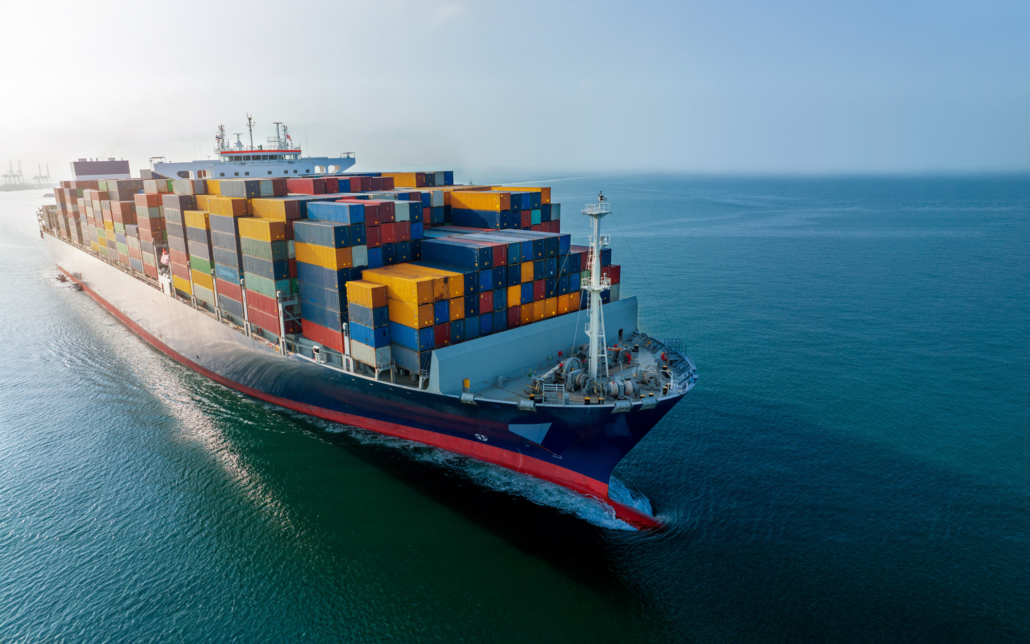
Ocean freight, on the other hand, is significantly slower. The average transit time for ocean shipping ranges from 20 to 40 days depending on the route and distance. However, if time is not a pressing concern, ocean freight offers a more cost-effective solution, especially for bulk shipments where cost-per-unit matters most.
- Average transit time: 20–40 days internationally
- Best for: Non-urgent, large, or bulk shipments
- Typical industries: Manufacturing, retail, automotive, raw materials
Cost: The Bottom Line
Both air freight and ocean freight offer distinct pricing structures, but the devil is in the details. The right choice depends on shipment volume, cargo value, urgency, and how much you can absorb in per-unit freight costs without eroding your margins.
Air Freight: Premium Pricing
Due to its speed and convenience, air freight is considerably more expensive than ocean freight. The cost of air freight is typically calculated based on either actual weight or volumetric weight (whichever is higher). While ideal for smaller, high-value, or urgent shipments, higher costs can quickly add up for heavy items. Most air freight costs run between 4 and 6 times higher than comparable ocean freight rates.
- Cost drivers: Weight, urgency, and distance
- Pricing basis: Chargeable weight (actual vs. volumetric)
- Typical industries: Electronics, pharmaceuticals, luxury goods
Ocean Freight: Economy Pricing
Ocean freight is the clear winner when it comes to cost-effectiveness, especially for large or bulk shipments. While pricing varies based on factors like container size and route, ocean freight generally costs significantly less per unit than air freight. Use our tariff calculator to estimate ocean freight costs for your specific trade lanes.
- Cost drivers: Container size, weight, and destination
- Pricing basis: TEU/FEU container rates or LCL volume
- Typical industries: Manufacturing, retail, automotive
Consistency in Service
Reliability isn’t just about arriving on time — it’s about predictability that lets your operations team plan with confidence. Both air and ocean shipping have strengths and weaknesses in this area, particularly when external disruptions hit.
Air Freight: Less Susceptible to Delays
Air freight tends to be more reliable than ocean freight when it comes to timeliness. With more predictable schedules, fewer disruptions from weather conditions, and the ability to reroute shipments in case of delays, air freight ensures consistent delivery. Even if a flight is delayed, alternative flights are often available within hours, minimizing disruptions to your supply chain.
Ocean Freight: Subject to Delays
While ocean freight is generally reliable over the long term, it is more prone to delays caused by port congestion, weather conditions, or mechanical issues on vessels. Since ocean freight operates on less frequent fixed schedules, these delays can result in extended wait times that cascade through your supply chain. Proactive supply chain risk management is critical for ocean shippers managing tight inventory windows.
- Potential delays: Weather, customs holds, and port congestion
- Best for: Non-time-sensitive bulk shipments with buffer inventory
Protecting Your Cargo
Security and cargo integrity are essential concerns for any international shipment, but especially for high-value or sensitive goods. Learn how each method handles security and what you can do to further protect your assets in transit.
Air Freight: Higher Security Standards
Air freight generally offers higher security for goods due to the stricter regulations and screening processes involved with air travel. Cargo is monitored closely, and airports have tight security measures in place to minimize the risk of theft or damage. Air freight is an excellent choice for high-value, sensitive, or fragile items that cannot tolerate rough handling.
Ocean Freight: Some Risks Involved
While ocean freight is generally secure, the risk of damage, theft, or loss can be higher than with air freight, particularly for long-distance shipments that pass through multiple ports. Cargo theft can occur at busy ports, and goods may be exposed to the elements, increasing the risk of damage. Proper packing, container seals, and cargo insurance can significantly mitigate these risks.
Still deciding between air freight vs. ocean freight options? Good news, we have them both available at CargoTrans!
Audit your derivative HTS exposure
Our brokers will review your top 50 derivative HTS lines and flag Section 232 valuation risk before CBP does.
Size and Weight Limits
If you’re shipping large or bulky goods, size and weight limits may effectively dictate your mode choice. Here’s what you need to know before booking your next international shipment.
Air Freight: Weight and Size Restrictions
Air freight is limited by both size and weight. Most airlines have strict restrictions, which may not be suitable for oversized or heavy items. Certain goods — such as lithium-ion batteries and other hazardous materials — are restricted or require special handling under IATA Dangerous Goods Regulations.
- Weight limit: Typically up to 500 kg per shipment, though it varies by airline and aircraft type
- Size limit: Limited by aircraft cargo hold dimensions
- Special permits: Required for hazardous materials, oversized cargo, and live animals
Ocean Freight: No Size or Weight Constraints
One key benefit of ocean freight is its ability to handle large and heavy items without significant restriction. Ships can carry vast cargo volumes, including oversized items like vehicles, machinery, and bulk goods. Specialized containers — including open-top, flat-rack, and tank containers — accommodate cargo that wouldn’t fit in standard boxes.
- Weight limit: Effectively none (determined by container and vessel capacity)
- Size limit: Standard container dimensions, with specialized containers available for OOG (out-of-gauge) cargo
What Can and Cannot Be Shipped
Different shipping methods come with their own set of restrictions based on safety, regulatory requirements, and carrier policies. Here’s what you need to keep in mind when deciding how to move your cargo internationally.
Air Freight: Stricter Regulations
Air freight comes with more restrictions, particularly for hazardous materials. Items such as lithium-ion batteries, flammable goods, and certain chemicals may be restricted or require special permits and documentation before they can be moved by air.
- Restricted items: Batteries, hazardous materials, explosives, pressurized containers
- Special permits required: Yes, for certain materials — coordinate with your forwarder early
- Documentation: MSDS/SDS sheets, dangerous goods declarations, shipper’s certificates
Ocean Freight: More Lenient but Still Regulated
Ocean freight offers more leniency with what can be shipped. However, it still follows international regulations under the International Maritime Organization (IMO) IMDG Code, particularly for hazardous or dangerous goods. Understanding these trade advisory requirements before booking is essential to avoid penalties or customs holds at destination.
Environmental Impact: Sustainability Matters
With sustainability becoming more important for businesses of all sizes, the environmental impact of shipping modes is an increasingly critical consideration in logistics planning.
Air Freight: High Environmental Cost
While air freight is fast and convenient, it also carries a significantly higher environmental footprint. Air travel consumes large amounts of fuel per ton of cargo, resulting in high CO2 emissions per unit. Businesses with sustainability commitments or Scope 3 emissions targets need to factor this into their mode selection decisions.
- CO2 emissions: Approximately 500g CO2 per ton-km (vs. ~10–40g for ocean)
- Best for: Urgent shipments where environmental impact is secondary to timing
Ocean Freight: Eco-Friendly but Not Perfect
Ocean freight is significantly more environmentally friendly than air freight per unit of cargo transported. Ships produce far less CO2 per ton of goods, making them the greener option for large-volume international shipping. However, ocean freight still has an environmental impact — particularly in terms of fuel consumption, ballast water management, and potential marine pollution.
- CO2 emissions: Significantly lower than air freight per ton-km
- Best for: Bulk shipping and businesses focused on carbon footprint reduction
Delays and Customs Procedures: Navigating Red Tape
Both air and ocean freight face potential delays caused by customs procedures, port congestion, or weather. Effective preparation and experienced partners make all the difference when navigating the regulatory environment. Staying current on developments like de minimis rule changes and Section 301 tariffs is essential for importers using either mode.
Air Freight: Faster but Customs Can Slow Things Down
Air freight offers faster shipping times, but customs procedures can still introduce delays. Goods shipped by air are subject to strict customs regulations, and any discrepancies in documentation can result in holds that negate the speed advantage of air transport. Working with experienced customs brokers minimizes this risk.
Ocean Freight: Lengthier but Easier to Plan
Customs procedures for ocean freight can be more time-consuming, especially for shipments passing through multiple ports. However, the longer transit times of ocean freight allow for better preparation — documentation, ISF filings, and customs entries can typically be completed well before the vessel arrives. Experienced freight forwarders use this lead time to eliminate customs surprises at destination. Leverage tracking for ocean, air, and land freight in one dashboard to stay ahead of customs timelines for both modes.
Making the Right Choice for Your Business
The air vs. ocean decision isn’t always binary. Many businesses use a hybrid approach — moving the bulk of their volume by ocean while reserving air freight for urgent replenishment, time-sensitive SKUs, or emergency shipments. Here’s a quick decision framework:
- Is your shipment time-sensitive? If yes, air freight is likely the better choice.
- Is your cargo large or heavy? Ocean freight is better suited for bulk and oversized cargo.
- What is the value-to-weight ratio? High-value, low-weight goods justify air freight premium pricing.
- Do you have flexibility in your delivery window? Ocean freight is ideal when you have a buffer of 4–6 weeks.
- What are your sustainability commitments? Ocean freight dramatically reduces per-unit carbon emissions.
- What are your regulatory requirements? Hazmat or restricted goods may limit your mode options.
A Control Tower platform with multi-modal visibility allows supply chain teams to monitor both air and ocean shipments in a single interface, enabling faster decisions when disruptions occur.
CargoTrans: The Go-To Ocean and Air Freight Company
At CargoTrans, we’re your partner for both domestic and international freight shipping. Whether it’s air freight or ocean freight, we handle your cargo with precision and care, ensuring it reaches its destination safely and on time. Our team provides expert guidance on mode selection, carrier negotiation, customs compliance, and risk management — so you can focus on your business while we handle the logistics. Let us simplify your global supply chain.