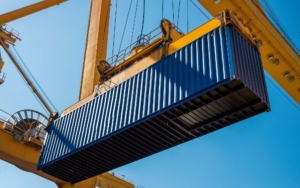

Picture this: your company’s valuable shipment arrives safely at a bustling seaport. Great news, right? But now comes the critical step of moving that cargo from the port to a nearby warehouse, rail yard, or distribution center. This seemingly small but essential process is known as drayage.
In this blog, you’ll learn exactly what drayage is, the different types of drayage services available, and why understanding the ins and outs of port drayage can make all the difference in keeping your supply chain efficient, cost-effective, and running smoothly.
Understanding Drayage: The Crucial First (and Last) Mile of Your Supply Chain
Drayage often goes unnoticed when people think about international shipping, but it’s one of the most important links in the logistics chain. Although it may cover just a short distance, this transport can have a big impact on timelines, costs, and overall success. The Maritime Administration (MARAD) estimates that U.S. ports handle over 26 million twenty-foot equivalent units (TEUs) per year—and every single one of those containers requires drayage to connect the port to its next destination.
Defining Drayage and How It Fits Into Logistics
At its core, drayage (or cartage when it involves airport and air freight) is the movement of goods over a relatively short distance—usually within the same city or region. For example, it might involve moving a container from a seaport to a nearby warehouse or from an airport to a rail yard. Even though drayage doesn’t cover long distances, it’s the key step that connects major transport modes like ocean freight, air freight, and rail. Without a reliable drayage service, you risk delays, unnecessary costs, and complicated scheduling headaches.
The term itself dates back to the era of horse-drawn “drays”—low, flat-bedded carts used to haul heavy loads through city streets. Today’s drayage operations use modern diesel trucks and specialized equipment, but the fundamental concept is unchanged: getting cargo from one point to another over a short distance, quickly and reliably.
The Importance of Drayage in a Globalized Market
In today’s global economy, your goods might travel halfway around the world to reach a customer. Every step must be carefully planned, and drayage ensures that your container moves seamlessly between transportation hubs. Efficient port drayage eliminates hiccups that can cause serious slowdowns. By smoothing out transitions, drayage keeps products moving and ensures that your customers can count on timely deliveries. When port drayage breaks down—whether due to driver shortages, chassis unavailability, or appointment scheduling failures—the effects ripple forward through the entire supply chain, delaying warehouse receiving, disrupting production schedules, and ultimately impacting end customers.
Different Types of Drayage Services and When to Use Them
Not all drayage is the same. In fact, there are several different types, each suited to specific logistics needs. Understanding these variations can help you choose the right approach for your shipments, saving you time and money.
Inter-Carrier Drayage: Moving Between Modes of Transport
Inter-carrier drayage occurs when cargo moves between two different carriers or transport modes—such as from a ship to a rail terminal. This type of drayage service is especially important if you rely on multiple transportation options to move your goods across continents. The smoother the shift from one carrier to another, the faster your shipment reaches its final destination. Coordinating inter-carrier drayage requires precise timing, as rail terminal gates and vessel loading cut-offs operate on strict schedules with little margin for error.
Intra-Carrier Drayage: A Single Carrier
Intra-carrier drayage, on the other hand, happens within a single carrier’s network. Imagine a large shipping company that operates both rail yards and trucking fleets. Moving a container between two facilities owned by that same carrier is a prime example. This often leads to cost savings and simpler coordination since only one company manages the entire movement—fewer handoffs mean fewer opportunities for miscommunication or scheduling gaps.
Expedited Drayage Service for Time-Sensitive Shipments
Sometimes, you need to get your goods from point A to point B as quickly as possible. Expedited drayage service offers just that—faster handling to meet tight deadlines. This can be a lifesaver if you’re dealing with fresh produce, high-demand retail products, or anything else with urgent delivery requirements. While expedited service may cost more, it can prevent stockouts, missed opportunities, and unhappy customers. Expedited drayage providers maintain dedicated driver capacity and pre-cleared equipment specifically for urgent cargo—they don’t wait in standard dispatch queues.
Shuttle Drayage: Bridging Short Distances Efficiently
Shuttle drayage involves moving cargo between two points that are usually close to each other, like two terminals in the same port area. This approach helps manage overflow and congestion, ensuring that goods don’t pile up in one spot. Shuttle drayage might seem small-scale, but it can dramatically improve efficiency, especially in crowded ports where container yard space is at a premium and overflow to satellite facilities is a routine necessity.
Quantify your exposure in 20 minutes
Our trade strategists run your last 90 days of entries through Captain to surface refund eligibility, Section 232 traps and PNTR risk.
How Port Drayage Drives Efficiency and Reliability in Your Supply Chain
Port drayage is a key part of managing imports and exports. With growing global trade and evolving market demands, smart port drayage strategies can make all the difference in staying on schedule and on budget.
Coordinating Port Appointments to Avoid Delays
One of the biggest challenges with port drayage is scheduling. Ports often operate on strict appointment systems to manage the flow of trucks. If you miss your timeslot, you might have to wait hours—or even days—for the next available window. A well-managed drayage service ensures that your port appointments are booked in advance and closely tracked, minimizing downtime and extra fees. The Federal Maritime Commission has issued detention and demurrage guidelines that outline importers’ rights when container holds prevent timely pickup—understanding these protections is part of managing port drayage costs effectively. Appointment management systems that integrate with port terminal operating systems (TOS) automate the booking process and send real-time alerts when appointment windows open or change.
Minimizing Congestion and Bottlenecks
Port congestion is a reality, especially during peak seasons. Efficient port drayage service providers know how to navigate this environment. They plan routes, track vessel arrivals, and choose the best times to bring in trucks. By doing so, they help avoid the most crowded periods, cutting wait times and speeding up the flow of goods. Vessel tracking integration—monitoring AIS (Automatic Identification System) data to anticipate actual arrival times rather than relying on scheduled ETAs—allows drayage providers to dispatch trucks precisely when containers become available rather than sending drivers to wait at congested gates.
Adapting to Port Strikes and Labor Issues
Worker strikes, labor shortages, and other workforce problems can send shockwaves through your supply chain. When a port’s operations slow down, containers can pile up, and shipments might be stuck in limbo. A strong drayage partner doesn’t just throw up their hands—they find alternative solutions, such as temporarily storing cargo off-site or rerouting shipments through alternative ports. This flexibility keeps your goods moving, even when the unexpected happens. Having pre-established relationships with container freight stations (CFS) and off-dock storage facilities near major ports means your provider can quickly execute contingency plans rather than scrambling to find solutions mid-crisis.
Balancing Trucks per Day to Optimize Costs
Ports have a limited number of truck slots available each day. If you don’t secure enough of them, your shipments might face delays. On the other hand, booking too many trucks might result in unnecessary costs. Skilled drayage providers help strike the right balance—ensuring you have enough trucks per day to handle your shipments efficiently without overspending. Data-driven capacity planning, informed by historical container release patterns and current port conditions, allows providers to right-size daily truck deployment rather than defaulting to conservative over-booking.
Overcoming Common Drayage Challenges
Even with careful planning, drayage can present challenges. From unpredictable delays to complex communication networks, understanding how to tackle these issues is key to keeping your business on track.
Managing Unpredictable Delays and Volatile Timelines
Delays are part of the game in logistics—ships can arrive late, traffic can snarl roads, and customs inspections can slow things down. But that doesn’t mean you’re powerless. A good drayage service provider prepares for these hurdles by monitoring schedules, adjusting pick-up times, and even working with multiple carriers to find the fastest route. By planning ahead, you can reduce the impact of sudden changes on your bottom line. The FMCSA’s hours-of-service regulations also affect drayage timing—drivers can only work within federally mandated limits, which means that unexpected port delays don’t just create scheduling problems, they can actually prevent a driver from completing a pickup or delivery within a legal work window.
Enhancing Communication and Transparency in Port Drayage
A common source of stress in shipping is the “not knowing” factor. It’s hard to plan your next steps when you’re unsure where your container is or when it will arrive. Modern port drayage providers leverage technology—like real-time tracking systems and online dashboards—to keep you in the loop. Clear communication channels and timely updates help you make informed decisions and prevent surprises that could harm your business. Digital exception management workflows ensure that when something goes wrong, the right people are notified immediately and resolution steps are documented in real time.
Reducing Costs Through Strategic Drayage Planning
Smart planning can significantly lower your costs. By timing deliveries when congestion is low, working with providers who have good relationships at the port, and grouping shipments together, you can avoid expensive delays and storage fees. The right drayage service provider doesn’t just move your goods—they offer insights and strategies that keep costs in check. Consolidated drayage moves—where multiple containers from the same origin port are coordinated to maximize truck utilization—reduce per-container drayage costs while also improving scheduling predictability.
Audit your derivative HTS exposure
Our brokers will review your top 50 derivative HTS lines and flag Section 232 valuation risk before CBP does.
Leveraging Drayage Service Providers to Strengthen Your Supply Chain
Choosing the right drayage provider can feel like a big decision, but it’s one of the best ways to ensure your shipments run smoothly. The right partner can anticipate problems, negotiate favorable terms, and keep your goods moving regardless of obstacles.
Finding the Right Port Drayage Partner
Look for a provider with a proven track record and solid industry relationships. A reliable drayage partner has drivers who know their way around the ports, understand the appointment booking process, and can find workarounds when complications arise. Their experience translates into fewer delays, lower costs, and more predictable shipping schedules. Verify that any drayage provider you work with is registered with the FMCSA and carries appropriate motor carrier authority and insurance coverage—these are baseline compliance requirements that protect your cargo and your business.
Integrating Drayage into a Holistic Logistics Strategy
Drayage shouldn’t be viewed in isolation. It’s a crucial piece of a larger puzzle that includes ocean freight, rail shipments, trucking, warehousing, and distribution. When you integrate port drayage into a broader logistics strategy—managed through a unified control tower platform—you set yourself up for success at every turn. A good provider helps you see the big picture, ensuring that your goods move seamlessly from one mode of transport to the next without losing precious time or money. End-to-end visibility that spans from vessel departure to warehouse receipt gives your logistics team the context they need to make proactive decisions at every handoff point.
Simplify Drayage With CargoTrans
At CargoTrans, we’re proud to offer reliable, flexible drayage services designed to keep your shipments on time and on budget. Reach out to our team today, and let us work with you to transform drayage from a small step in your supply chain into a major key to your competitive advantage.