Furniture tariffs stopped being one number per country in 2025. A hotel guestroom package from a single factory can now carry four different duty treatments: a Section 232 rate on upholstered wood seating, a Section 301 China list rate on casegoods, the forced-labor Section 301 duty on everything the 232 action does not cover, and, for bedroom pieces from China, an antidumping order whose China-wide cash deposit rate is 216.01%. Which of those applies is decided at the ten-digit HTS line, not by the product category on the purchase order.
This guide is written for FF&E purchasers, hospitality procurement teams, office and retail furniture importers and high-end residential brands. It maps the lines that matter, shows what each one pays from China and Vietnam today, explains the January 1, 2027 increase on upholstered seating, and works through a landed-cost example for a guestroom package. For freight, installation sequencing and damage control on hospitality FF&E projects, see our separate logistics coverage. Rates verified against HTSUS Revision 21 and the Federal Register as of October 27, 2026.
Quantify your exposure in 20 minutes
Our trade strategists run your last 90 days of entries through Captain to surface refund eligibility, Section 232 traps and PNTR risk.
The Furniture HTS Map: Seating, Casegoods and Metal Frames
Chapter 94 splits furniture into two headings that behave very differently under the current tariff actions. Heading 9401 covers seats, and the subheading turns on frame material: 9401.61 is upholstered seating with wooden frames, 9401.69 is non-upholstered wood seating, 9401.71 is upholstered seating with metal frames and 9401.79 is non-upholstered metal seating. Heading 9403 covers everything else: metal office furniture (9403.10), other metal furniture (9403.20), wooden office furniture (9403.30), kitchen furniture (9403.40), bedroom furniture (9403.50) and other wooden furniture (9403.60).
Every line in the table below carries a Free Column 1 rate. The duty comes entirely from Chapter 99. Within furniture, the Section 232 timber action covers only four seating lines and three cabinet lines, so a lounge chair and the desk chair in the same room can sit on opposite sides of it. Metal-frame furniture is outside the timber action, and only a few metal lines, such as boltless steel shelving and steel racks in 9403.20.0075 and 9403.20.0082, appear in the metals derivative lists covered in our guide to steel and aluminum tariffs. The rows below are the lines that show up most often on FF&E, office and retail furniture entries.
| HTS line | Product | MFN | China: additional | China total | Vietnam: additional | Vietnam total |
|---|---|---|---|---|---|---|
| 9401.61.4011 | Upholstered wood-frame chairs, household | Free | 232: 25% + 301 List 3: 25% | 50% | 232: 25% | 25% |
| 9401.61.6031 | Upholstered wood-frame seats (sofas, lounge seating), non-household | Free | 232: 25% + 301 List 3: 25% | 50% | 232: 25% | 25% |
| 9401.71.0031 | Upholstered metal-frame seats, non-household | Free | 301 List 3: 25% + forced-labor 301: 12.5% | 37.5% | Forced-labor 301: 12.5% | 12.5% |
| 9403.30.8090 | Wooden office furniture | Free | 301 List 3: 25% + forced-labor 301: 12.5% | 37.5% | Forced-labor 301: 12.5% | 12.5% |
| 9403.50.9080 | Wooden bedroom casegoods (dressers, nightstands) | Free | 301 List 3: 25% + forced-labor 301: 12.5%, plus AD order | 37.5% plus AD | Forced-labor 301: 12.5% | 12.5% |
| 9403.60.8093 | Other wooden furniture that is not a cabinet or vanity (9903.76.04) | Free | 301 List 3: 25% + forced-labor 301: 12.5% | 37.5% | Forced-labor 301: 12.5% | 12.5% |
| 9403.20.0090 | Other metal furniture | Free | 301 List 3: 25% + forced-labor 301: 12.5% | 37.5% | Forced-labor 301: 12.5% | 12.5% |
Reading the Table
Totals are MFN plus additional duties. AD/CVD cash deposits and Section 301 product exclusions are not included. The two upholstered wood seating rows rise by five points on January 1, 2027. A wooden piece entered in 9403.60.8093 that is a cabinet or vanity pays the cabinet rate instead, which our guide to kitchen cabinet tariffs covers.
Section 232 Upholstered Wood Seating: 25% Now, 30% on January 1, 2027
Proclamation 10976 (90 FR 48127) put a 25% Section 232 duty on certain upholstered wooden products from October 14, 2025, with an increase to 30% scheduled for January 1, 2026. Proclamation 11000 (91 FR 1039) moved that increase to January 1, 2027. The duty is entered under heading 9903.76.02 and is added to the Column 1 rate.
U.S. note 37(d) to Chapter 99 limits the action to four statistical lines: 9401.61.4011 and 9401.61.4031 (upholstered wood-frame chairs, household and other) and 9401.61.6011 and 9401.61.6031 (other upholstered wood-frame seats, which is where sofas and lounge seating usually fall). The note describes the products as couches, sofas and chairs. Household and contract versions are both covered, so hotel lobby seating and residential sofas pay the same rate.
What counts is decided by classification, not marketing. A seat is in 9401.61 when it is upholstered and its frame is wood. The same silhouette on a steel frame classifies in 9401.71 and leaves the timber action entirely, while a wooden chair with a loose cushion may sit in 9401.69 rather than 9401.61. For hybrid frames, the frame material question should be answered with drawings and a bill of materials before the purchase order is placed, because the answer moves the duty by 25 points today and 30 points from January 1, 2027.
Partner Rates and What Does Not Stack
Wood products of the United Kingdom pay 10% on top of Column 1 under 9903.76.20. Products of Japan, the European Union, South Korea and Taiwan pay a flat 15% under 9903.76.21 to 9903.76.24, inclusive of Column 1. Upholstered wood seating under the 232 action is exempt from the forced-labor Section 301 duty under U.S. note 52(f)(4), but Chapter 99 note 37 keeps any other subchapter III duty in place, which is why China-origin seating pays both 232 and the List 3 rate.
Goods covered by the action that are admitted to a foreign-trade zone can only be admitted in privileged foreign status, under clause 8 of Proclamation 10976. A zone therefore does not remove the 232 duty.
China Furniture: List 3, Forced-Labor 301 and the Bedroom Furniture AD Order
Most wooden and metal furniture from China has paid an additional 25% under Section 301 List 3 (heading 9903.88.03), which covers 9403.20, 9403.30.80, 9403.40.90, 9403.50.90 and 9403.60.80, among others. Two seating lines are covered through a separate heading that many duty models miss: heading 9903.88.04 and U.S. note 20(g) apply the same 25% to upholstered wood-frame chairs in 9401.61.40 (other than children’s chairs) and to upholstered metal-frame seats in 9401.71.00 other than the children’s lines.
Since July 24, 2026, China-origin goods also carry the forced-labor Section 301 duty of 12.5% under 9903.05.31, imposed through the USTR action published at 91 FR 47318. Note 52(a) makes it cumulative with the List 3 duty. The exemption for 232 wood products covers headings 9903.76.01 to 9903.76.03 and the partner headings, but not 9903.76.04, so a wooden console entered under the non-cabinet heading pays List 3 plus 12.5%. Vietnam-origin goods carry the same 12.5% under 9903.05.84. Our guide to Section 301 forced labor tariffs covers the 60 economies and the product exemptions in note 52.
The Wooden Bedroom Furniture Order
Wooden bedroom furniture from China has been under an antidumping order since January 4, 2005 (70 FR 329). In the 2024 administrative review, final results published August 12, 2026 at 91 FR 52041, Commerce kept the China-wide cash deposit rate at 216.01% for exporters without a separate rate. The scope covers wooden beds, headboards, footboards, nightstands, dressers, chests, armoires and wardrobes. It excludes seating, office furniture such as desks and credenzas, dining furniture, television cabinets, occasional tables, upholstered beds and bedroom furniture made primarily of wicker, rattan or bamboo.
For a hotel casegoods package from China, that scope test matters more than the tariff line. A headboard and nightstand set can owe more in AD deposits than its own invoice value, while a freestanding desk and a TV cabinet in the same room are usually out of scope (a desk attached to a dresser, or a TV armoire, is in scope). Scope analysis and exporter rate checks belong in sourcing, before the factory is chosen; our overview of antidumping and countervailing duties covers how cash deposits and liquidation work.
Budgeting an FF&E Project That Lands After January 1, 2027
The 232 rate attaches when goods are entered for consumption or withdrawn from warehouse for consumption, under clause 5 of Proclamation 10976 as amended. Shipping date and invoice date do not decide it. For a hotel opening or office fit-out whose seating enters after December 31, 2026, the budget should carry 30% on the four upholstered wood seating lines, not 25%.
Three adjustments usually follow. First, split the FF&E budget by HTS line rather than by room, because only seating moves on January 1; casegoods, metal furniture and soft goods do not. Second, check which party carries the duty: under DDP terms the supplier absorbs the increase, under FOB or EXW the owner or purchasing agent does, and contracts signed in 2025 rarely priced a 2027 step. Third, decide whether to pull seating forward. Entering in December 2026 saves five points on every covered dollar but needs storage until installation; a bonded warehouse defers payment but does not lock the 2026 rate, because the rate applies on withdrawal. Whether goods admitted to a zone before January 1 keep the earlier rate is not settled in the proclamation text, so any FTZ consulting plan should confirm CBP’s position before relying on it.
Scheduling, consolidation and site delivery for the same project sit in our FF&E project guide.
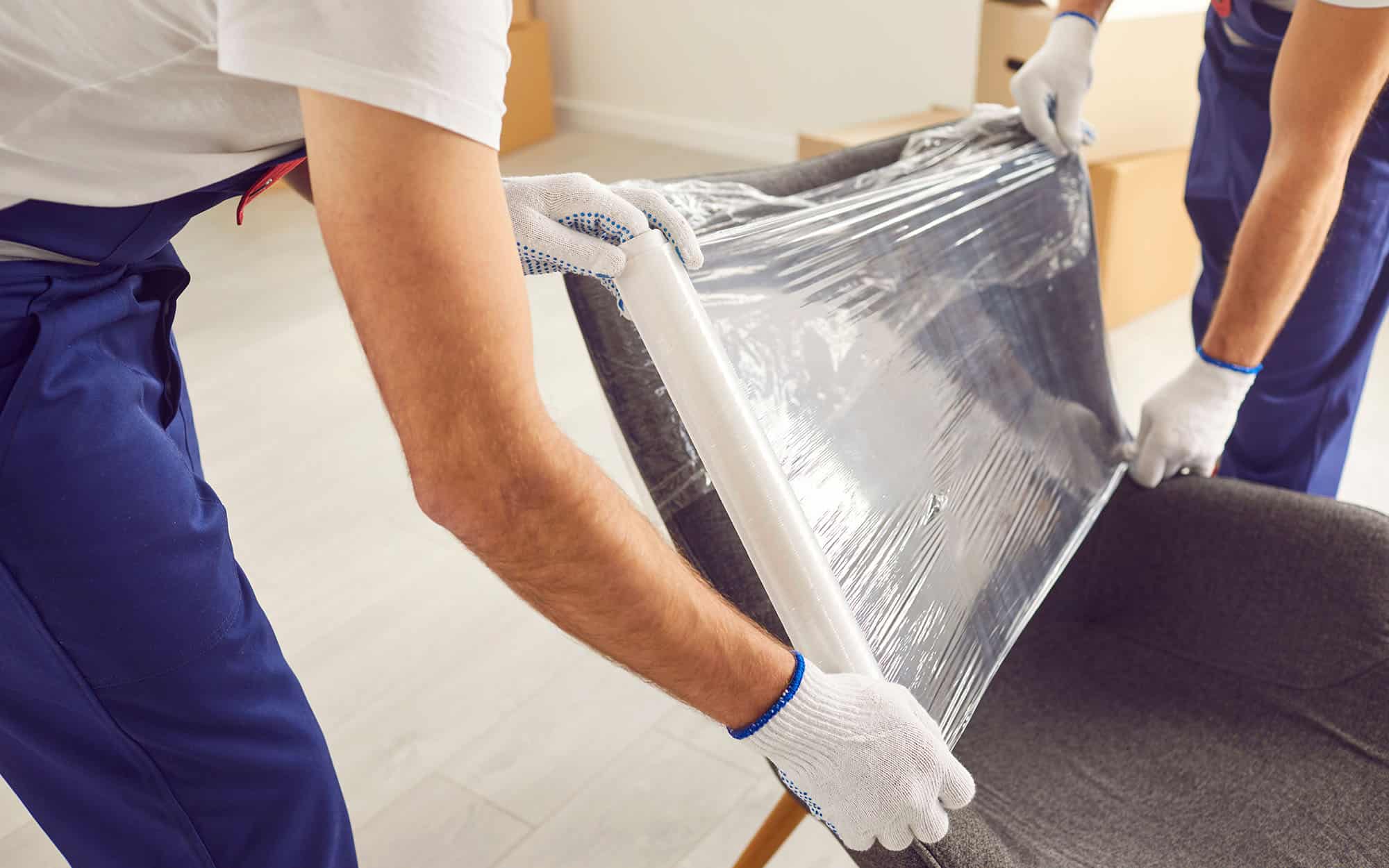
Worked Landed-Cost Example: Hotel Guestroom Package
The example below is illustrative. It prices a guestroom package with $150,000 of entered value, split across four lines, once from Vietnam and once from China. Freight, insurance and brokerage are left out so the duty layers stay visible. The merchandise processing fee is 0.3464% of entered value under 19 CFR 24.23, between the fiscal 2027 floor of $34.58 and cap of $670.86, and the harbor maintenance fee is 0.125% for ocean cargo under 19 CFR 24.24.
| Line | Value | Vietnam duty | China duty |
|---|---|---|---|
| 9401.61.6031 lounge chairs and sofas | 48,000 | 12,000 (25%) | 24,000 (50%) |
| 9401.71.0031 metal-frame desk chairs | 12,000 | 1,500 (12.5%) | 4,500 (37.5%) |
| 9403.50.9080 headboards, nightstands, dressers | 70,000 | 8,750 (12.5%) | 26,250 (37.5%) plus AD |
| 9403.60.8093 TV consoles and desks, non-cabinet | 20,000 | 2,500 (12.5%) | 7,500 (37.5%) |
| MPF and HMF | 707.10 | 707.10 | |
| Total before AD | 150,000 | 25,457.10 | 62,957.10 |
What the Example Shows
From Vietnam, duty and fees come to about 17% of entered value, and almost half of that is the 232 duty on seating. On January 1, 2027 the seating line moves to 30%, adding $2,400 and taking the total to $27,857.10. From China, the same package costs $62,957.10 before antidumping duty. If the bedroom pieces fall in the order’s scope and the exporter has no separate rate, the China-wide deposit of 216.01% on $70,000 adds $151,207, which is why bedroom casegoods for hotel projects rarely come from China-wide-rate exporters.
Run your own lines through the Vietnam to US tariff calculator and the China to US tariff calculator, then check the result against the ten-digit lines on your commercial invoice, because the calculators work from the classification you give them.
Frequently Asked Questions
What are the current furniture tariffs on upholstered sofas and chairs?
Upholstered seats with wooden frames in 9401.61.4011, 9401.61.4031, 9401.61.6011 and 9401.61.6031 pay a 25% Section 232 duty under heading 9903.76.02, rising to 30% on January 1, 2027. China-origin seating also pays 25% under Section 301, for a total of 50% today. UK product pays 10%, and product of Japan, the EU, South Korea and Taiwan pays a flat 15%.
Does the Section 232 timber tariff apply to all wooden furniture?
No. Apart from softwood lumber, it reaches furniture only through four upholstered wood seating lines and three cabinet and vanity lines. Bedroom, office and dining furniture, and goods in 9403.60.8093 that are not cabinets or vanities, are outside it. Those goods pay the forced-labor Section 301 duty of 12.5% from Vietnam or China, and China-origin goods also pay the List 3 rate of 25%.
What is the tariff on hotel furniture imported from Vietnam?
Upholstered wood-frame seating pays 25% under Section 232 (30% from January 1, 2027). Casegoods other than cabinets and vanities, metal-frame seating and metal furniture pay the 12.5% forced-labor Section 301 duty, since the Column 1 rate on these lines is Free; bathroom vanities and cabinets pay 25% under Section 232 instead (50% from January 1, 2027). Merchandise processing and harbor maintenance fees apply on top.
Is metal-frame seating covered by the Section 232 timber action?
No. Upholstered metal-frame seating classifies in 9401.71 and is outside the timber action. From China it pays 25% under Section 301 heading 9903.88.04 plus the 12.5% forced-labor duty. Only a few metal furniture lines, such as steel racks and boltless shelving, are on the Section 232 metals derivative lists.
Does the antidumping order on wooden bedroom furniture from China cover hotel casegoods?
It covers wooden beds, headboards, footboards, nightstands, dressers, chests, armoires and wardrobes, whether sold for homes or hotels. Freestanding office-type desks, credenzas, TV cabinets, seating and upholstered beds are excluded, but a desk attached to or built into a dresser or nightstand, and an armoire made to hold a TV, are covered. Exporters without a separate rate pay the China-wide cash deposit rate of 216.01%.
Which rate applies to seating ordered in 2026 that arrives in 2027?
The rate in force on the date of entry for consumption, or withdrawal from a bonded warehouse, applies. Seating entered on or after January 1, 2027 pays 30%, regardless of when it was ordered, invoiced or shipped. Admission to a foreign-trade zone does not avoid the duty, because covered goods must be admitted in privileged foreign status.
Can a furniture importer avoid the forced-labor Section 301 duty?
Upholstered wood seating, cabinets and vanities covered by Section 232 are exempt from it. Other furniture from the 60 listed economies pays it unless the line appears in the product exemptions of U.S. note 52. The in-transit exemption in heading 9903.05.85 only reached goods loaded before July 24, 2026 and entered before July 28, 2026, so it no longer helps new orders.