Under EXW Incoterms 2020, the seller delivers by placing the goods at the buyer’s disposal at a named place, usually its own factory or warehouse, not loaded on any vehicle and not cleared for export. Ex Works is the rule with the least obligation on the seller: the buyer bears every cost and risk from that point, including loading, export formalities in the seller’s country, main carriage, insurance and US import clearance. The ICC itself recommends FCA instead when the goods are to be exported.
This guide sets out the obligations under Ex Works, the two places where EXW shipments fail in practice, where risk and cost transfer, what EXW means for a US importer’s entry and customs value, and when FCA is the better contract term. All 11 rules are compared in the Incoterms chart.
Quantify your exposure in 20 minutes
Our trade strategists run your last 90 days of entries through Captain to surface refund eligibility, Section 232 traps and PNTR risk.
Seller and Buyer Obligations Under EXW
The EXW seller provides conforming goods with a commercial invoice, packs and marks them for transport, checks quantity and quality, and notifies the buyer that the goods are available. That is the full list. The seller has no obligation to contract carriage or insurance, owes no transport document, and only has to assist, at the buyer’s request, risk and cost, with documents and information the buyer needs for export, transit and import clearance.
The buyer pays the price, takes delivery at the named place, arranges and pays for all carriage, and carries out and pays for every export, transit and import formality, including any duties and taxes payable on export. The buyer must also give the seller evidence that it took delivery. The table shows how that division lands on a shipment into the United States.
| Obligation | Foreign seller | US buyer |
|---|---|---|
| Delivery | Places goods at the buyer's disposal at the named place, not loaded | Collects at the named place |
| Loading at origin | No obligation | Loads, or agrees in writing who bears loading risk |
| Export clearance | Assists with documents on request, at the buyer's cost | Carries out and pays all export formalities and export duties |
| Main carriage | No obligation | Contracts and pays all carriage |
| Insurance | No obligation; gives information on request | No obligation to the seller; insures its own risk |
| US entry and duty | Assists on request | Files entry as importer of record, posts the bond, pays duty and fees |
| Proof of delivery | None owed | Gives the seller evidence of taking delivery |
| Packing and marking | Packs and marks for transport at its cost | None |
Export Clearance and Loading Problems Under Ex Works
EXW makes the buyer responsible for export clearance in the seller’s country, and that is where most EXW shipments go wrong. The ICC notes that the seller’s role in export clearance is limited to assistance, and that a buyer expecting difficulty obtaining export clearance would be better advised to choose FCA. A US importer has no establishment in the exporting country, may not be able to act as exporter under local rules, and depends on the seller’s cooperation for the data the export declaration needs. In practice the seller or its forwarder often files anyway, which means the paperwork and the contract no longer match.
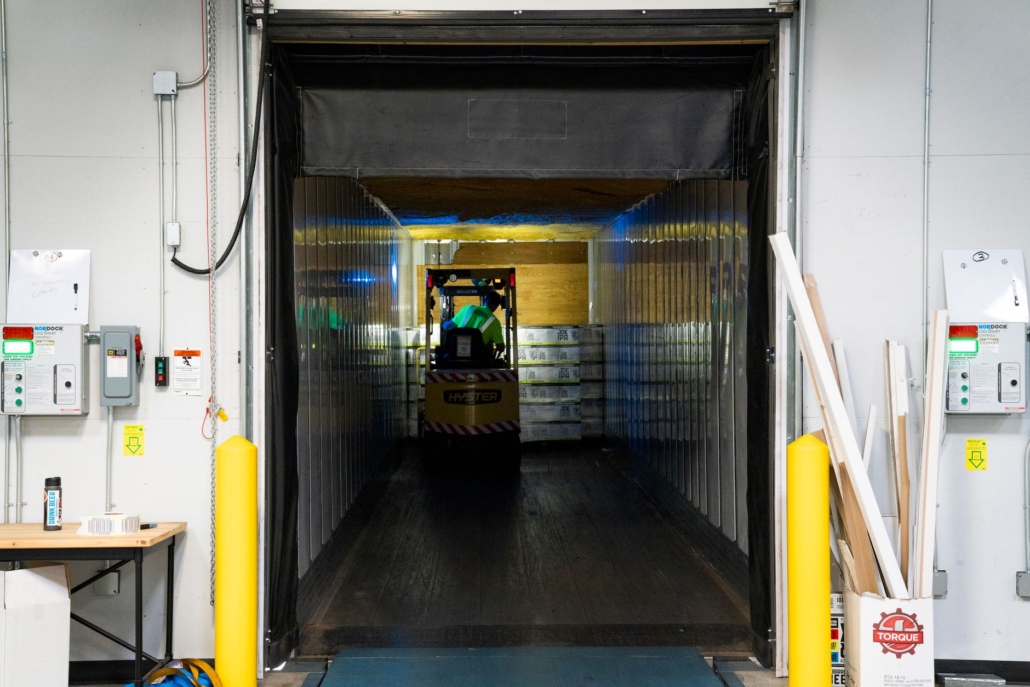
The second problem is loading. Under EXW, delivery happens when the goods are placed at the buyer’s disposal, not when they are loaded. Yet the seller usually does load, because it has the forklifts and its site rules keep outside staff off the dock. If cargo is damaged during that operation, the ICC text says the risk arguably lies with the buyer, who did not participate. The ICC’s advice is to agree in advance who bears loading risk, or to use FCA, under which the seller must load at its own premises and keeps the risk while doing so.
Both gaps carry over into US compliance. If the seller’s export declaration, the buyer’s ISF data and the US entry describe the shipment differently, the inconsistency surfaces at the border, where CBP can review the transaction. Export-side charges and who should bear them are covered in our guide on who pays export duties.
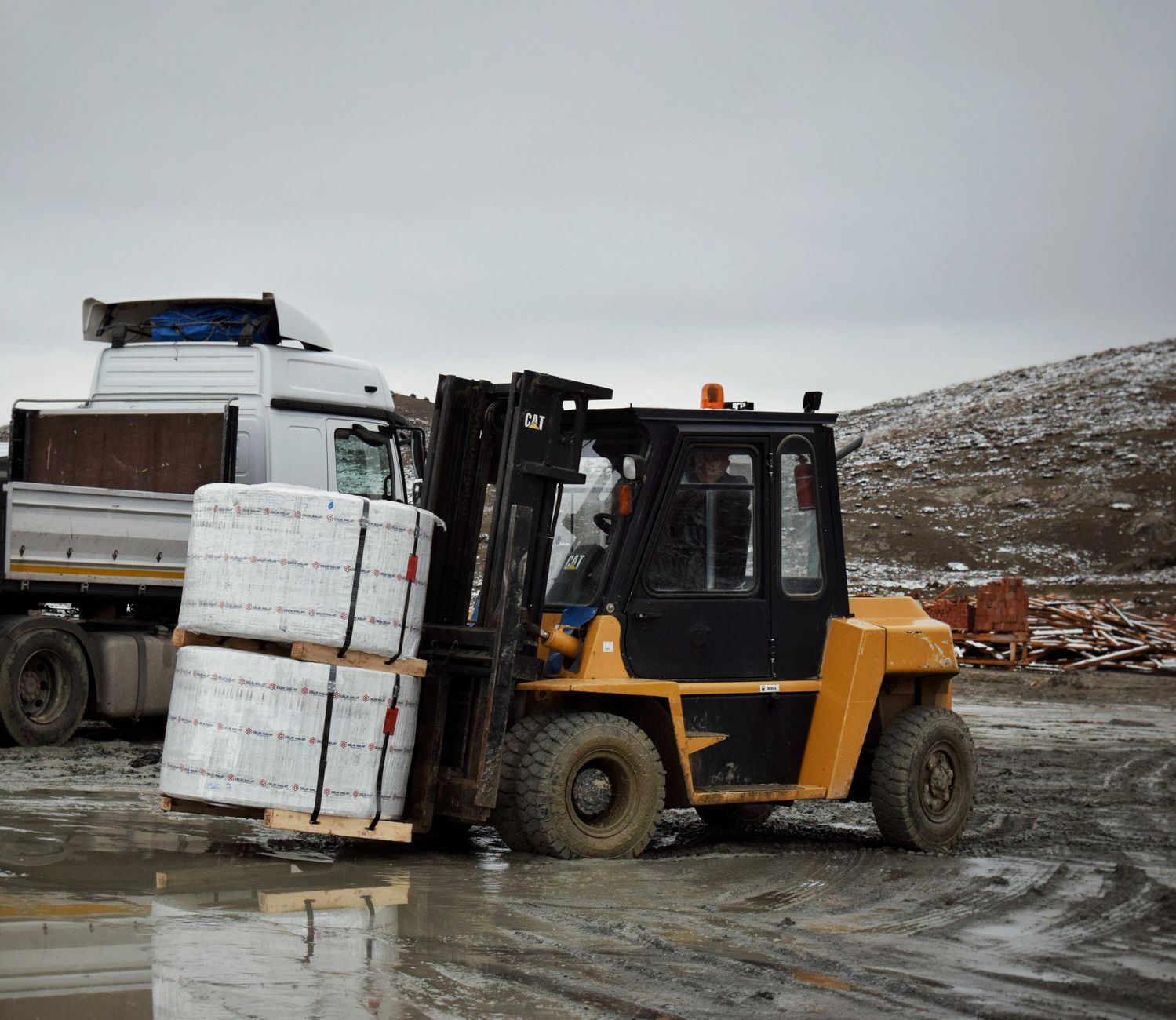
Where Risk and Cost Transfer Under EXW
Risk and cost transfer to the buyer the moment the goods are placed at its disposal at the agreed point within the named place. If the contract names only a city or a facility and several points are available, the seller may choose the point that suits it, and the ICC warns that the buyer then risks a delivery point just before a loss occurs. The precise dock, warehouse or address belongs in the contract.
If the buyer fails to collect or to give notice of its collection time, it bears the risk from the agreed date or the end of the delivery period, provided the goods are clearly identified as the contract goods, and it pays any additional costs the failure causes.
EXW is often confused with FOB. Under FOB the seller loads the goods on board a vessel at the named port of shipment and clears them for export, so the seller pays origin trucking, export formalities and all costs until the goods are on board; under EXW the buyer pays all of them. FOB is also limited to sea and inland waterway transport. The FOB rule itself is covered in our guide to FAS and FOB.
EXW for US Imports: What the Importer Takes On
Under EXW the US buyer is the importer of record, files the entry under 19 U.S.C. 1484 directly or through a licensed broker, posts the customs bond required for release under 19 CFR 142.4, and pays duty and fees. For ocean freight it is also the party causing the goods to arrive, so it owns the ISF filing due 24 hours before lading at the foreign port under 19 CFR 149.2, and it depends entirely on the seller for manufacturer, origin and stuffing data.
The customs value starts from the EXW price. An EXW price is an ex-factory price, and under 19 CFR 152.103(a)(5)(i) foreign inland freight and related charges that are not included in that price are not added to transaction value. International freight and insurance are excluded from the price actually paid or payable under 19 U.S.C. 1401a(b)(4)(A). So freight the buyer pays on its own account, from the factory gate onward, is not dutiable.
Three points keep that low value defensible. Any payment the buyer makes to the seller, or for the seller’s benefit, counts as part of the price, so a separate loading or documentation fee paid to the seller belongs in transaction value. The statutory additions under 1401a(b)(1), including packing costs, assists and royalties, apply even when the invoice says EXW. And the commercial invoice must state what the price covers. Our customs valuation guide covers the full method.
When FCA Should Replace EXW
FCA at the seller’s premises should replace EXW whenever the goods are to be exported. The delivery point stays the same, but under FCA the seller loads the goods onto the buyer’s vehicle and clears them for export, the two obligations EXW leaves with a buyer that is badly placed to perform them. The ICC introduction makes the same recommendation, and keeps EXW for domestic trades where no export is intended. The full mechanics of the alternative are in our FCA Incoterms guide.
Buyers sometimes weigh EXW against DDP, the opposite extreme. Under EXW the buyer does everything; under DDP the seller delivers to the buyer’s door cleared for US import and duty paid, and acts as importer of record. Neither is a default for international trade. EXW pushes foreign export compliance onto the US buyer, and DDP pushes US import compliance onto the foreign seller, which from January 5, 2027 also requires a CTPAT-validated broker for most foreign importers of record, as explained in our DDP Incoterms guide.
For a US importer moving from EXW to FCA, the contract change is short: name the seller’s premises with a precise loading point, confirm the seller will file the export declaration, and nominate the carrier in time for collection. A licensed customs brokerage can align the named place, the ISF data flow and the bond before the first shipment under the new term.
Frequently Asked Questions
What is the difference between FOB and EXW?
Under EXW the buyer collects the goods at the seller’s premises and pays loading, export clearance and all transport. Under FOB the seller clears the goods for export and loads them on board the vessel at the named port, and risk passes there. FOB applies only to sea and inland waterway transport; EXW applies to any mode.
Who pays for shipping under EXW?
The buyer pays all of it: loading at the seller’s site, origin trucking, export formalities, main carriage, insurance if wanted, US duties and fees, and delivery to its own facility. The seller’s costs end once the goods are placed at the buyer’s disposal.
Which is better, EXW or DDP?
Neither is a sound default for exports. EXW gives the US buyer export formalities in a foreign country, and DDP gives the foreign seller US import clearance and importer-of-record liability. The ICC recommends FCA instead of EXW and DAP or DPU instead of DDP when the party cannot perform those clearances.
Does the seller load the goods under EXW Incoterms?
No. The seller has no loading obligation under EXW, and risk passes when the goods are placed at the buyer’s disposal unloaded. If the seller loads anyway, the parties should agree in writing who bears the risk during loading, or use FCA.
Is inland freight dutiable on an EXW purchase?
No, when the buyer pays it outside the price. Under 19 CFR 152.103(a)(5)(i), foreign inland freight not included in an ex-factory price is not added to transaction value, and international freight and insurance are excluded under 19 U.S.C. 1401a(b)(4)(A).
Who files the US customs entry under EXW?
The US buyer as importer of record, directly or through a licensed customs broker it designates. It also needs a customs bond for formal entries and, for ocean freight, files the Importer Security Filing.