Drayage is a small but vital link in the logistics chain that can significantly impact your overall supply chain efficiency. Choosing the right type of drayage service ensures that your shipments move smoothly between modes of transportation and arrive at their destination on time. However, the decision isn’t always straightforward—different types of drayage services cater to different needs, and understanding which one fits your business is crucial.
In this blog, we’ll guide you through the various drayage services available, factors to consider when selecting the right service, and strategies to optimize your drayage operations.
The Role of Drayage in Modern Supply Chains
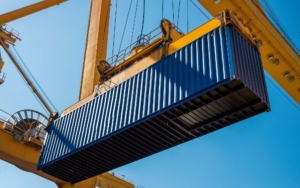
Drayage refers to the short-distance movement of goods, often between a port and a nearby warehouse, rail yard, or distribution center. This step is critical in bridging gaps between long-haul transportation modes like ocean freight, rail, and trucking. Without efficient drayage, cargo can pile up at ports or miss key connections, leading to costly delays and operational disruptions. According to the Bureau of Transportation Statistics, U.S. ports handle more than 2.5 billion tons of freight annually—and drayage is the essential first and last step that keeps that volume moving.
How the Right Drayage Service Can Save Time and Costs
Choosing the right drayage service can help eliminate inefficiencies, reduce storage fees, and improve delivery times. The right solution ensures that cargo transitions seamlessly from one mode of transportation to the next, minimizing downtime and keeping supply chains flowing smoothly. Detention and demurrage fees—charged when containers sit at ports beyond their free time—can easily reach hundreds of dollars per container per day, making swift, well-coordinated drayage a direct cost-saving measure, not just a logistics nicety.
Quantify your exposure in 20 minutes
Our trade strategists run your last 90 days of entries through Captain to surface refund eligibility, Section 232 traps and PNTR risk.
Understanding the Different Types of Drayage Services
Drayage isn’t a one-size-fits-all solution. Different types of drayage services cater to various logistics needs, making it important to understand what each offers.
Port Drayage: Moving Goods to and from Ports
Port drayage involves transporting cargo from a port to a nearby facility, such as a warehouse or rail yard. This service is essential for businesses involved in international trade, as it ensures containers are moved quickly to avoid congestion and additional fees at the port. The Federal Maritime Commission (FMC) regulates ocean carrier and marine terminal practices, including the detention and demurrage billing rules that make timely port drayage critical for importers and exporters. Efficient port drayage coordination—including advance appointment booking and vessel arrival monitoring—can mean the difference between a smooth cargo pickup and a multi-day wait that accumulates significant holding fees.
Intermodal Drayage Services: Connecting Modes of Transport
Intermodal drayage services are crucial in moving containers between different transport modes, such as from rail to truck or truck to ship. These services are ideal for businesses with complex logistics networks requiring seamless connections between long-distance and short-distance transport. When a container arrives at an inland rail terminal after a transcontinental journey, intermodal drayage provides the bridge between that rail terminal and the final warehouse or distribution facility—often within a tight appointment window that requires precise coordination between the rail yard, the drayage carrier, and the receiving facility.
Expedited Drayage: For Time-Sensitive Shipments
When delivery speed is critical, expedited drayage offers faster handling and transport. This service is particularly valuable for industries like retail, pharmaceuticals, and perishable goods, where delays can result in lost sales or spoiled products. Expedited drayage providers typically maintain dedicated driver pools and pre-cleared chassis equipment so they can execute pickups with minimal lead time—often within hours of container availability rather than the standard 24–48 hour booking window.
National Drayage Services: Beyond Local Transport
National drayage services extend beyond local port-to-warehouse moves, providing larger-scale solutions for businesses with multiple distribution centers across the country. These services are ideal for businesses that need consistency and reliability on a national level. With a national drayage provider, your organization benefits from standardized processes, unified rate structures, and a single point of accountability across all major port markets—eliminating the complexity of managing separate regional drayage relationships at Los Angeles, New York, Houston, and Savannah simultaneously.
Key Factors to Consider When Choosing a Drayage Service
Selecting the right drayage service requires you to analyze your logistics needs and align them with the capabilities of the service provider. Here are the key factors to consider.
Understanding Your Shipment Needs
Start by assessing your cargo. Consider the size, type, and destination of your shipments. For example, oversized cargo may require specialized equipment, while high-value goods may need additional security measures. Fragile items might need special handling procedures, while temperature-sensitive goods, like food or pharmaceuticals, could require refrigerated transport. By clearly identifying your shipment’s specific requirements, you can ensure the drayage service you choose is equipped to handle the job effectively and safely.
Consider also your chassis supply situation. At many U.S. ports, the availability of chassis—the wheeled trailers that carry containers—is managed through chassis pools or equipment interchange programs. Understanding whether your drayage provider owns chassis or relies on pool equipment can affect both cost and reliability, particularly during peak periods when chassis availability tightens.
Evaluating Time Sensitivity and Deadlines
Not all shipments have the same level of urgency. Determine whether your goods require standard delivery timelines or expedited handling. For instance, industries like retail often face strict seasonal deadlines, making expedited drayage a necessity during peak periods. On the other hand, shipments with flexible timelines, such as bulk goods for inventory replenishment, may benefit from standard drayage options that help cut costs without sacrificing reliability. Understanding your time constraints will help you align your choice with business priorities.
Balancing Cost vs. Service Level
While cost is always a consideration, it’s important to balance it against the level of service required. Lower-cost options might save money upfront but could result in longer transit times or increased risks of delays. Alternatively, higher-tier services might come with a premium price but offer greater reliability, faster delivery, and additional support, such as real-time tracking. Consider the long-term impact of delays, such as potential lost revenue or damaged customer relationships, when weighing cost versus service level. Use supply chain visibility tools to measure the true total cost of drayage—including detention fees, redelivery charges, and expediting costs—rather than evaluating drayage on base rate alone.
Checking Port and Carrier Requirements
Each port and carrier has unique rules and requirements, from appointment scheduling to weight restrictions. Understanding these requirements and ensuring your drayage provider can meet them is essential to avoid delays or fines. The FMCSA’s motor carrier registration system provides shippers with a way to verify that a drayage carrier is properly licensed, bonded, and compliant with federal regulations—a baseline check that should be part of any carrier vetting process. Some ports may have strict timelines for container pickups, while others might enforce regulations around the use of specific equipment, like chassis. Partnering with a provider experienced in navigating these requirements can save time and reduce the risk of unexpected issues.
Factoring in Customs and Compliance Needs
If your cargo crosses international borders, customs and compliance become critical factors. A knowledgeable drayage provider with expertise in customs regulations can streamline the process, ensuring all documentation is in order and avoiding costly holdups. Compliance is particularly important for goods that fall under strict regulatory oversight, such as medical devices or electronics. By working with a provider skilled in international trade compliance, you can avoid penalties and maintain smooth operations across borders.
Audit your derivative HTS exposure
Our brokers will review your top 50 derivative HTS lines and flag Section 232 valuation risk before CBP does.
Optimizing Your Drayage Strategy for Long-Term Success
Choosing the right drayage service is just the first step. To maximize efficiency and minimize costs, it’s important to develop a strategic approach to drayage operations.
Planning for Peak Seasons and Fluctuations
Peak seasons, like the holidays, can strain logistics networks, leading to higher demand for drayage services. Plan ahead by securing drayage capacity early and working with providers who can handle fluctuations in demand. A proactive approach ensures you’re prepared to navigate seasonal challenges without delays. Pre-booking drayage capacity 4–6 weeks before peak season—rather than waiting until volumes surge—can protect your supply chain from the capacity shortages that drive up spot rates and cause missed pickups during the most critical windows of the year.
Using Technology to Enhance Tracking and Communication
Real-time tracking technology is a game-changer for drayage operations. Integrating shipment tracking software with your logistics systems provides greater visibility into your cargo’s location and status. This not only improves communication with stakeholders but also allows for faster decision-making in response to delays or disruptions. Modern drayage management platforms provide:
- Live GPS tracking of trucks between port and destination
- Automated alerts for appointment confirmations and delays
- Integration with port systems to monitor container availability and holds
- Digital proof-of-delivery documentation
Partnering With a Knowledgeable Logistics Provider
The right drayage partner can make all the difference. Look for a provider with extensive experience, a strong network, and the ability to adapt to your unique needs. A reliable logistics provider can help you navigate challenges, optimize costs, and ensure smooth operations across your supply chain.
Find the Right Drayage Solution With CargoTrans
Drayage may be just one part of the logistics process, but choosing the right service is vital to ensuring your supply chain runs efficiently and cost-effectively. By understanding your shipment needs, evaluating time sensitivity and costs, and leveraging the right technology, you can make informed decisions that align with your business goals.
At CargoTrans, we offer a range of tailored drayage solutions, including port drayage, intermodal drayage services, and national drayage services, to meet the needs of businesses of all sizes. Our team is equipped to handle everything from customs compliance to real-time tracking, ensuring your shipments arrive on time and within budget. Contact us today to learn how CargoTrans can be your trusted drayage partner and take your supply chain to the next level.