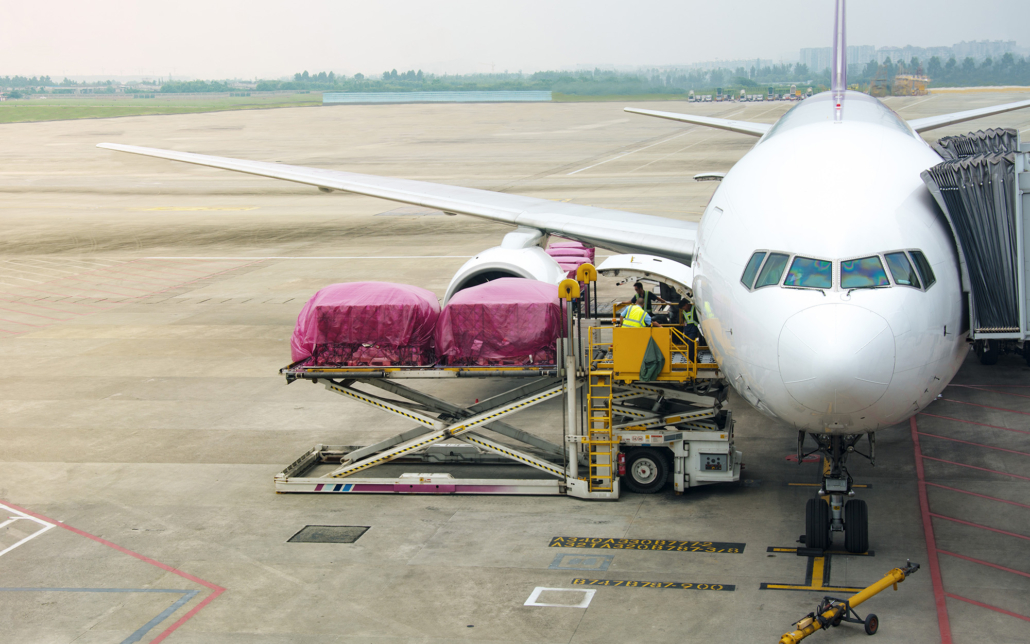
Time-sensitive shipments require a transportation mode that delivers speed, reliability, and global reach. Air freight forwarding is often the top choice for businesses that need to move goods quickly and efficiently across borders. This guide explores the key features of air freight, why it’s the preferred method for time-sensitive shipments, and how air forwarding solutions can help you meet critical deadlines without compromising cargo integrity.
Quantify your exposure in 20 minutes
Our trade strategists run your last 90 days of entries through Captain to surface refund eligibility, Section 232 traps and PNTR risk.
An Overview of Air Freight Forwarding as a Transportation Mode
Air freight forwarding is the process of coordinating and shipping goods via air transport. Freight forwarders act as intermediaries between businesses and airlines, managing the logistics of transporting goods from one location to another by air. This involves a range of services including booking cargo space, preparing shipping documentation, coordinating pickup and delivery, and ensuring compliance with international regulations.
Air freight forwarding connects businesses to a global network of airlines, cargo hubs, and customs authorities — streamlining a process that, without an experienced partner, can quickly become overwhelming. Whether you’re shipping electronics, pharmaceuticals, or time-critical spare parts, working with an accredited air freight forwarder gives you access to routes, rates, and expertise that aren’t available through direct airline booking.
Key Features of Expedited Delivery and Logistics from the Air
Air freight offers unique features that set it apart from other modes of transportation. Understanding these features is essential when deciding whether it’s the right solution for your logistics needs and comparing it against ocean or ground alternatives.
- Speed: Air freight is by far the fastest way to move goods over long distances. While ocean freight might take weeks, air freight can deliver goods within a matter of days — or even hours for domestic air moves.
- Reliability: Airlines operate on tight schedules, making air freight one of the most reliable forms of transportation. Delays are less frequent than ocean or rail transport, and daily flight options reduce the impact of any single disruption.
- Global Reach: Air freight has extensive global coverage, allowing businesses to move goods to almost any part of the world. Major airports across the globe are well-connected, providing numerous routing options for freight forwarding services.
- Security: Due to the stringent security protocols followed by airlines and airports, air freight is considered one of the safest modes of transportation for valuable or sensitive cargo. Cargo screening, chain-of-custody tracking, and bonded handling facilities all contribute to higher security standards.
- Cost-Effective for High-Value Goods: While air freight can be more expensive than other transportation methods, it is often cost-effective for high-value goods where inventory holding costs, stockout risk, or customer penalties make faster delivery worth the premium.
Advantages of Air Freight for Time-Critical Shipments
When time is of the essence, air freight is the go-to solution for businesses that need fast, reliable delivery. These advantages become even more pronounced when combined with technology-driven supply chain visibility software that lets you monitor shipments in real time.
Speed and Efficiency
In situations where time is a critical factor — whether replenishing stock, meeting customer demands, or transporting perishable goods — air freight can deliver within days, compared to weeks with ocean freight. Shipments that need to cross oceans can be transported from one continent to another in as little as 24 hours, depending on the flight route and customs procedures.
This speed advantage translates directly into business outcomes: manufacturers avoid production line stoppages, retailers maintain in-stock positions during peak demand, and distributors meet contractual SLAs without penalties.
Reliability
Air freight operates on fixed schedules with frequent flight options, making it a reliable choice for time-sensitive shipments. While ocean or rail transport can be affected by weather, port congestion, or other delays, air freight has fewer disruptions. Airlines provide accurate tracking systems, giving businesses full visibility into their shipments at all times — essential when managing urgent deliveries with no margin for error. A Control Tower platform integrates this airline tracking data with your broader supply chain view, giving operations teams a single pane of glass for all active shipments.
Global Reach
Air freight’s global network allows businesses to connect with suppliers, manufacturers, and customers across the globe. Airports in major cities and business hubs enable air freight forwarders to offer expansive routing options, so your shipments can be delivered even to remote or underserved locations that lack direct ocean freight access.
Reduced Risk of Damage
Time-sensitive shipments often involve high-value or perishable goods that need extra care. Air freight typically has less handling compared to other modes of transport, which reduces the risk of damage. Cargo moves from shipper to aircraft to consignee with fewer touchpoints — a critical advantage for fragile, sensitive, or high-value cargo types.
Specific Air Freight Solutions for Time-Critical Cargo
There are specialized air freight solutions designed to cater to different types of time-sensitive cargo. Each option offers a distinct trade-off between cost, speed, and control. Here are the most common solutions businesses utilize for urgent shipments.
Express Air Freight Services
Express air freight services are designed for the fastest possible delivery of urgent shipments. These services prioritize your goods and use direct flights or the most efficient routing options available. Express air freight typically involves same-day or next-day delivery, making it ideal for businesses that need to transport documents, spare parts, or perishable items quickly. Major express networks offer end-to-end delivery commitments with precise time windows.
Charter Services
For businesses that need complete control over their shipment, air charter services offer maximum flexibility. Chartering an entire aircraft ensures that your goods are the only cargo on the flight, allowing for specific timing, routes, and special handling requirements. While more expensive, air charters are highly efficient for oversized or high-value shipments — such as machinery, medical equipment, or urgent humanitarian supplies — where commercial cargo capacity is insufficient or schedule restrictions apply.
Next Flight Out (NFO) Services
NFO services place your shipment on the very next available flight, regardless of carrier or routing. Freight forwarders work with multiple airlines to secure the fastest routing possible, making this service perfect for urgent deliveries when timing is absolutely critical. NFO is frequently used in industries such as healthcare, automotive, and aerospace, where parts or products must be delivered immediately to avoid costly downtime or patient care delays.
Temperature-Controlled Air Freight
Temperature-controlled air freight solutions are available for goods that require specific temperature conditions throughout transit. Pharmaceuticals, fresh produce, vaccines, and certain chemicals require continuous temperature monitoring and climate-controlled handling. These shipments are packed in validated cold-chain containers or placed in temperature-controlled aircraft sections, maintaining the required conditions from origin to destination. Regulatory compliance with IATA Pharma Cool Chain guidelines is essential for these specialized moves.
Need fast, reliable shipping for urgent cargo? Discover the advantages of our air freight forwarding solutions for time-sensitive shipments with global reach and speed.
Audit your derivative HTS exposure
Our brokers will review your top 50 derivative HTS lines and flag Section 232 valuation risk before CBP does.
Key Considerations for Air Freight Forwarding
While air freight offers significant advantages for time-sensitive shipments, businesses must consider several factors before selecting this mode. Careful pre-shipment planning is the key to avoiding surprises that can negate the speed benefits of air transport.
Costs
Air freight is typically more expensive than ocean, rail, or trucking options due to the speed and convenience it offers. The cost is calculated based on chargeable weight — the higher of actual weight or volumetric weight — along with the nature of the goods being shipped. While ideal for urgent or high-value shipments, businesses should weigh the freight premium against the cost of delayed delivery, including customer penalties, production stoppages, or lost sales. Understanding applicable tariffs and duties is also critical — use our tariff calculator to estimate total landed costs for your air freight lanes.
Transit Time
Although air freight is fast, total transit time may vary depending on factors including customs clearance, documentation completeness, and handling at origin and destination airports. Businesses should account for potential delays — especially for international shipments requiring customs checks, ISF filings, and import permits. Door-to-door air freight transit times can range from 2–7 days once all factors are included, even for intercontinental moves. Effective supply chain risk management means building a buffer into your planning even when using the fastest available mode.
Cargo Type
Not all goods are suitable for air freight. Hazardous materials, oversized cargo, or goods with strict temperature control requirements may require special handling — and not all airlines or freight forwarders have the necessary equipment or certifications. It’s important to consult with your air freight provider early in the process to confirm they can accommodate your specific cargo. Relevant considerations include:
- Dangerous goods classification under IATA DGR
- Size and weight vs. available aircraft cargo hold dimensions
- Temperature and humidity sensitivity
- Country-specific import restrictions at destination
Customs and Regulations
International air freight involves customs procedures that add time and complexity to the shipping process. Working with an experienced freight forwarder who understands the regulations of both the origin and destination countries is essential to avoid delays or penalties. Changes to trade policy — including updates to de minimis rules and Section 301 tariffs — can affect your air freight costs and compliance obligations with little notice. Our trade advisory services keep you current on regulatory changes that affect your shipping programs.
Minimizing Risk in Air Freight Forwarding
Even with the speed and reliability of air freight, international shipping carries inherent risks. Here are proven strategies for mitigating those risks and protecting your cargo and your business.
Purchase Cargo Insurance
While airlines and freight forwarders offer limited liability under standard tariff rules, full cargo insurance coverage ensures your business is compensated in the event of loss, theft, or damage. High-value goods — electronics, medical devices, luxury items — should always be fully insured based on invoice value plus freight costs.
Implement Security Measures
Airports maintain stringent security protocols, but additional measures further protect your cargo. Consider:
- Tamper-proof and tamper-evident packaging
- GPS tracking devices embedded in high-value shipments
- Security escorts for extremely high-value cargo
- Bonded warehousing at origin and destination for sensitive goods
- Chain-of-custody documentation at every handoff point
Thorough Due Diligence on Service Providers
Businesses should conduct thorough due diligence on potential air freight providers, reviewing experience, customer references, certifications, and track record for timely and compliant deliveries. Working with certified forwarders — particularly those with IATA CASS accreditation — ensures access to standard billing and settlement systems and confirms compliance with airline and international regulatory requirements.
Optimize Documentation Completeness
The majority of air freight delays trace back to documentation errors or omissions. A complete pre-shipment documentation checklist should include:
- Commercial invoice with accurate HS codes and declared values
- Air waybill (AWB) with correct routing and contact information
- Packing list matching invoice line-by-line
- Dangerous goods declarations (if applicable)
- Certificate of origin (if required for preferential duty rates)
- Import permits or licenses at destination (if applicable)
Keeping tabs on supply chain challenges that affect air cargo capacity — including seasonal surges and airline network changes — helps you plan booking lead times and avoid last-minute capacity constraints.
Partner With the IATA Accredited Agents for Freight Forwarding at CargoTrans
Build a relationship with CargoTrans, an IATA-accredited agent for all major airlines. We leverage our vast network of carriers to provide shippers of all sizes with efficient, reliable air freight forwarding solutions. With CargoTrans, you gain access to global airline connections, competitive rates, and the compliance expertise needed to ensure your cargo moves smoothly and on time — every time.
Whether you need express next-flight-out service, temperature-controlled pharmaceuticals handling, or strategic air-ocean hybrid planning, our team delivers the solutions your business requires. Explore how our unified freight tracking capabilities give you real-time visibility into every air shipment we manage on your behalf.