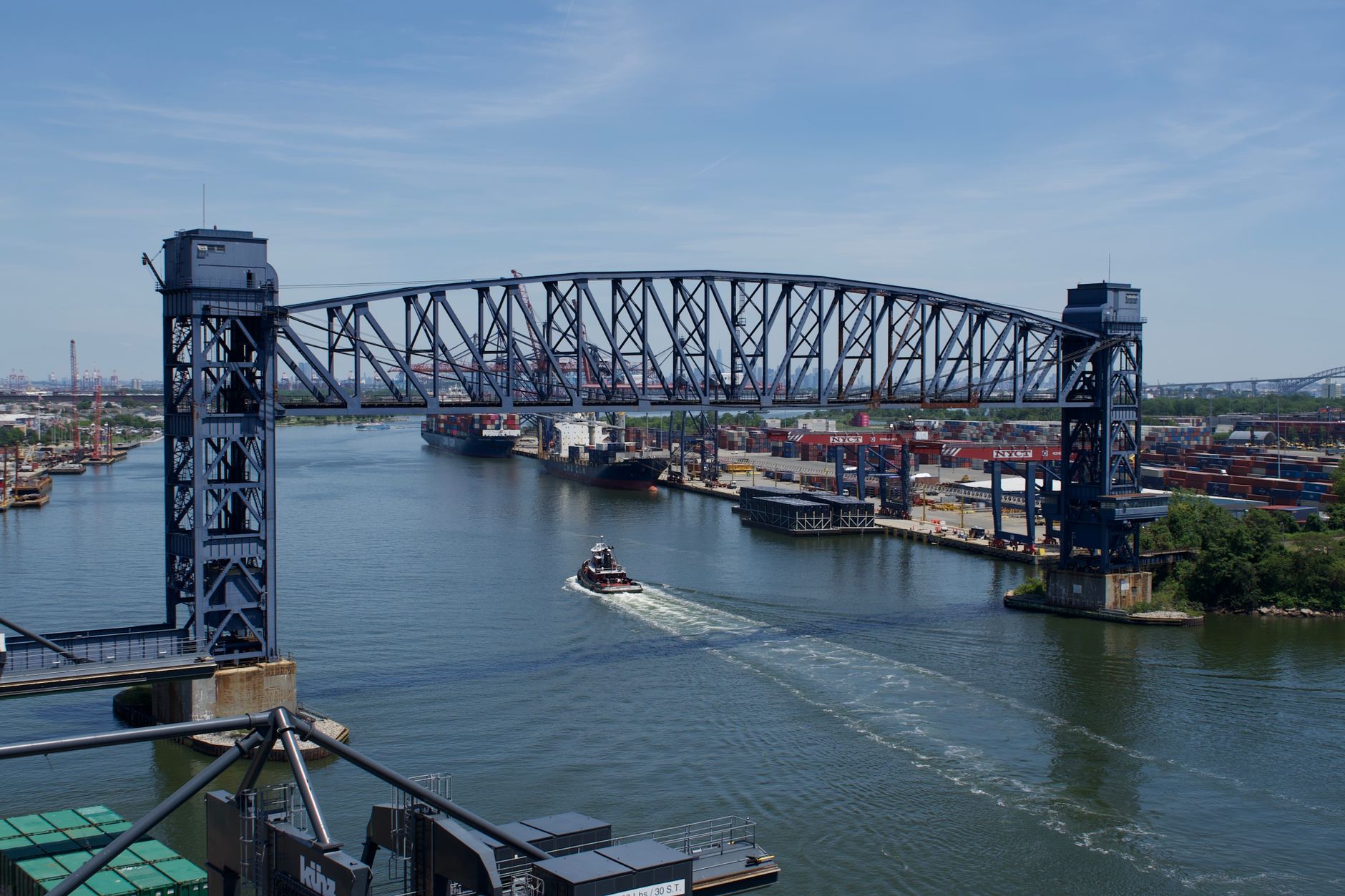
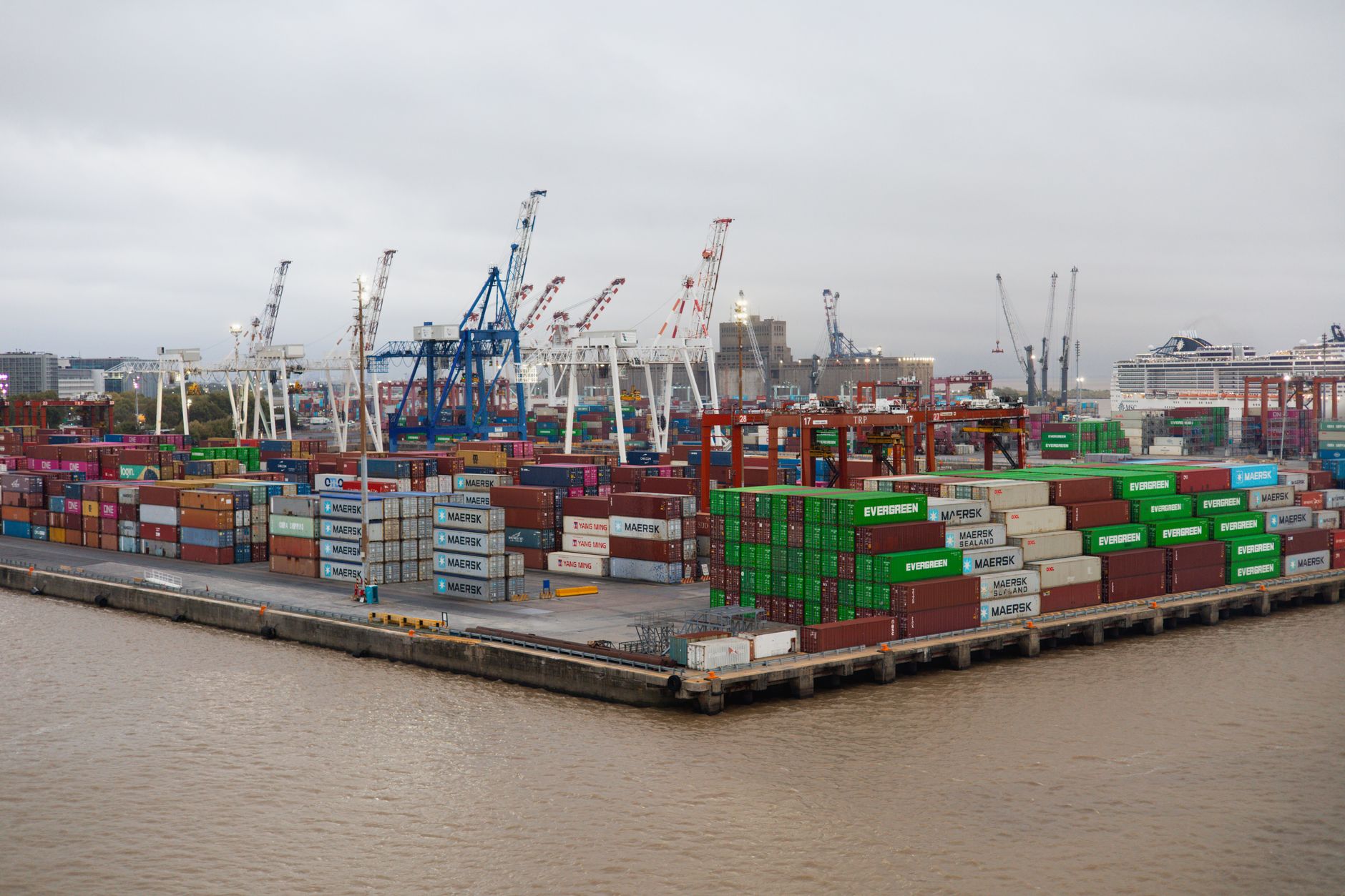
Furniture, plastics and machinery lead the import mix at the largest container port on the East Coast. From our Long Island headquarters we file the ISF, the entry and the agency data, and manage the release for cargo landing at Elizabeth, Port Newark, Bayonne, Staten Island and JFK.
CargoTrans Inc. is a licensed US customs broker headquartered in Manhasset, NY, on Long Island, that clears imports through the Port of New York and New Jersey (CBP port 4601, New York/Newark) and John F. Kennedy International Airport (CBP port 4701). We hold a national permit under 19 CFR 111.19 and file every entry electronically in ACE.
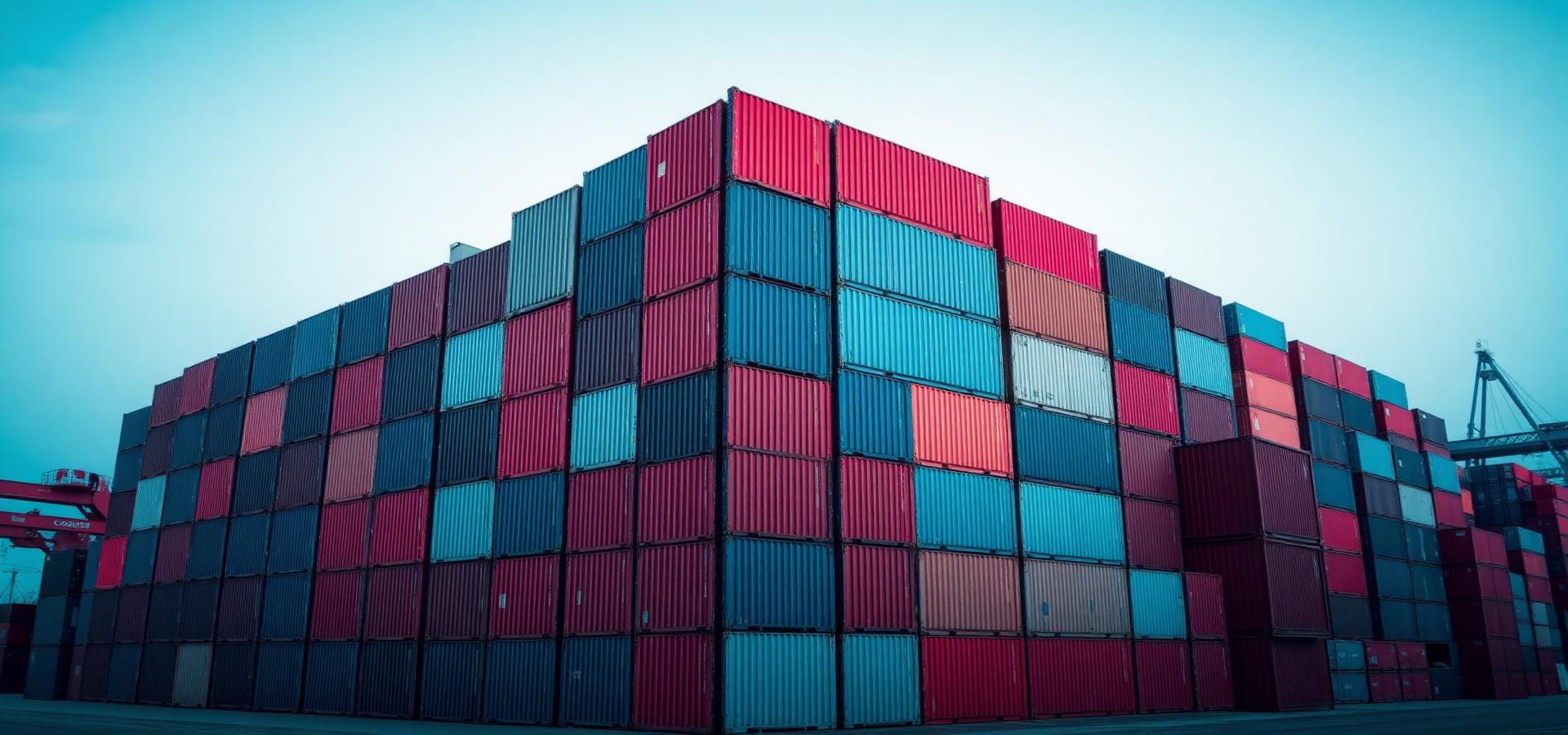
The seaport is the largest container port on the East Coast and the third largest in the country, with container terminals at Elizabeth (APM Terminals and Maher), Port Newark, Bayonne and Staten Island. In 2024 its top imports were furniture, plastics and machinery, and its top origins were China, India, Vietnam and Italy, according to the Port Authority.
Release is decided in ACE, but the container sits at the terminal. When CBP orders an exam, the box moves to a centralized examination station that bills the importer, so we coordinate that move and the drayage while we answer CBP. Our customs brokerage service covers every port; this page covers what is specific to New York.
4601
CBP port code, New York/Newark
8.9M
TEUs at the Port of NY and NJ in 2025
24 hours
ISF deadline before loading at origin
Free Entry Review
Talk to a Licensed Broker
Quick 30-min review of your New York entries, ISF timing, and open holds. No obligation.
We reply within 1 business day · Your data stays private.
Capabilities
Our New York Customs Broker Capabilities
Six functions that take a container or an air shipment from the New York and New Jersey terminals to release, with the deadlines tracked from the day the ISF is due.
01
Entry and ISF for Port 4601
ISF, entry and entry summary filed in ACE for ocean freight landing at the NY and NJ terminals.
ISF filed on the 24-hour rule before loading
Entry pre-filed before the vessel berths
Entry summary within 10 working days of release
Continuous bond in place before the first entry
02
JFK Air Cargo Entries
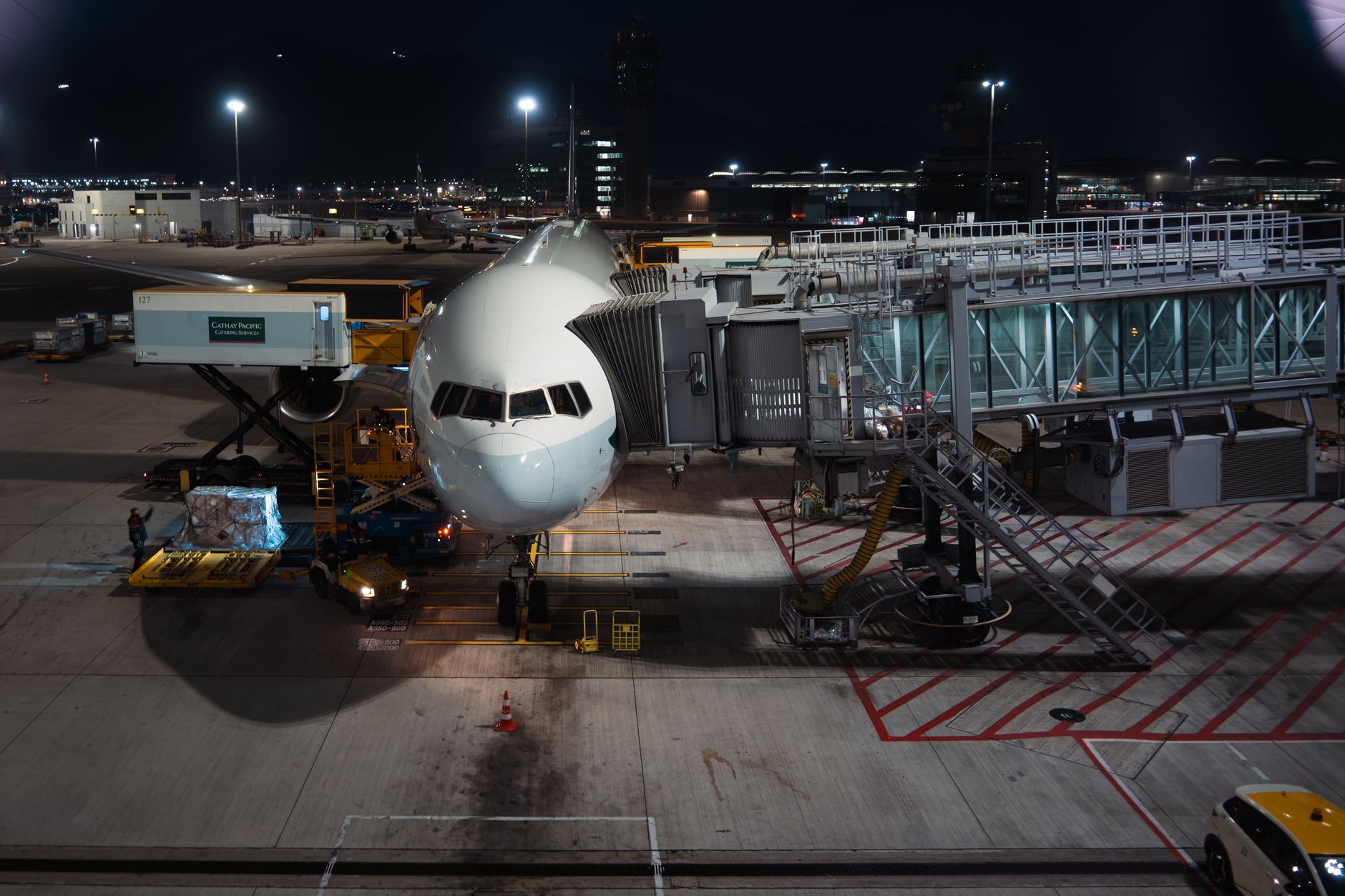
Air shipments into JFK (port 4701) cleared on the same ACE file as your ocean freight.
Entry filed from the airway bill and invoice
Agency data sent with the entry
Release passed to your carrier or forwarder
03
CBP Exams and CES Transfers
When CBP selects a container, we manage the transfer, the exam and the paperwork until release.
Exam type and status watched in ACE
Drayage to the examination station coordinated
CES fees billed to the importer, 19 CFR 118.4
04
FDA, Agriculture and Other PGA Data
Agency data sent with the entry, so FDA, CBP agriculture and other reviewers screen complete records.
FDA product codes and affirmation codes
Lacey Act and APHIS data where required
ISPM 15 wood packaging checked
05
Classification and Duty
Each line classified and priced with Section 232, Section 301 and AD/CVD before the entry is filed.
10-digit HTS line per SKU
China 301 and forced-labor 301 modeled
AD/CVD scope reviewed per supplier
06
Release and Records
Release passed to your trucker, and the entry file kept for audit.
Our headquarters is in Manhasset, on Long Island, so New York importers work with a licensed broker in their own region, and every entry is filed electronically under our national permit.
Ocean entries into port 4601 and air entries into JFK run on one ACE file, so classification, value and agency data match across modes.
When CBP selects a container for exam, we track the transfer to the examination station and the release, and explain how CES fees are billed as soon as the exam is ordered.
FDA, APHIS, Lacey Act, EPA and CPSC data goes out with the entry, so a hold is answered from records already on file.
Our Process
How Our New York Customs Broker Process Works
01
Documents and ISF
Collect invoice, packing list and ISF data before loading.
02
Classify and Price
Assign HTS lines and model Section 232, 301 and AD/CVD.
03
Pre-File the Entry
Transmit entry and agency data before the vessel berths.
04
Exam or Release
Coordinate CES exams or pass release to your trucker.
Cargo at the Port of New York and New Jersey has 15 calendar days after landing before it can go to general order, and the entry summary is due 10 working days after release.
We file before the vessel berths so neither clock gets close.
Free 30-minute review of your New York entries
ISF and entry timing checked against your sailings
A CargoTrans licensed broker will review your New York and New Jersey entries, ISF timing and open holds and flag what puts your next container at risk.
Protected by reCAPTCHA. We respond within 1 business day. No spam, ever.
Control Tower
New York Customs Broker Entries, Live in the Control Tower
(confirm with client or remove the section) New York entry beside its ISF, CBP release and agency status, so an exam notice, a hold or a release at an Elizabeth or Port Newark terminal is visible as soon as it posts in ACE.
Terminal free time and the 15-day general order clock sit in the same view, so a container that is released but not yet picked up is flagged before demurrage builds.
Every entry keeps its invoice, classification notes, ISF, agency data and exam results together, so a CBP request for information or a post-entry audit is answered from one file.
Most New York importers act as their own importer of record, and that liability stays with them whoever files; our importer of record guide explains what it covers, and our formal vs informal entry guide explains when a shipment needs a formal entry.
Do I need a customs broker located in New York to clear cargo at Newark or JFK?
No. A broker with a national permit under 19 CFR 111.19 can transact customs business at any US port, and remote location filing under 19 CFR part 143, subpart E, lets that broker transmit the entry electronically to the port where the goods arrive. What stays local is the freight: the terminal, the trucker and, if CBP orders one, the examination station. CargoTrans is headquartered in Manhasset, NY, and files New York/Newark and JFK entries (ports 4601 and 4701) in ACE. Remote filing requires a continuous bond, electronic invoice data and ACH payment of duties, and it cannot be combined with line release or immediate delivery (19 CFR 143.43 and 143.44), so we set up the bond and the entry type before your first shipment.
What is the CBP port code for the Port of New York and New Jersey?
CBP lists the seaport as New York/Newark, New Jersey, port code 4601, with its port office at 1210 Corbin Street in Elizabeth. JFK International Airport is a separate port, code 4701, with CBP's cargo office in Building 77 at the airport. A container that discharges at Elizabeth, Port Newark, Bayonne or Staten Island is entered under 4601, and air cargo landing at JFK is entered under 4701. An in-bond move to another port changes where the goods are entered, which also changes where an exam would take place. We confirm the port of unlading on every bill of lading before we file, because an entry transmitted to the wrong port is rejected and the general order clock keeps running.
What happens if CBP selects my container for an exam in New York?
CBP decides the type of exam. A non-intrusive scan can be done at the terminal, while a physical exam usually means the container is moved to a centralized examination station. A centralized examination station is a privately operated facility where CBP officers physically examine cargo (19 CFR 118.1). The station operator opens, unloads and reloads the shipment and bills the importer directly under a fee schedule filed with CBP (19 CFR 118.4). The importer also pays the drayage to and from the station and any storage, demurrage or per diem while the exam is pending. CBP does not publish exam rates by port, so we do not quote averages; we see the exam status in ACE, arrange the move with your trucker, answer CBP questions from the entry documents and pass the release as soon as it posts.
Can FDA or USDA hold my cargo at the Port of New York and New Jersey?
Yes. FDA screens regulated lines from the data filed with the entry, and since August 4, 2025, lines that miss automated release are reviewed by FDA's national ImportShield team rather than a port office, so complete FDA data matters more than location. CBP's page for port 4601 lists a dedicated contact for FDA cargo refusals. Agriculture inspections at the port are carried out by CBP agriculture specialists, who enforce APHIS rules such as the ISPM 15 treatment and marking of wood packaging under 7 CFR 319.40-3; noncompliant packaging is usually ordered re-exported. We transmit the FDA, APHIS and Lacey Act data with the entry and answer any hold from the documents already in the file.
How long does customs clearance take at Newark or JFK?
There is no fixed clearance time; release depends on the data, the commodity and whether CBP or a partner agency selects the shipment. The deadlines around it are fixed. Ocean ISF data is due 24 hours before the cargo is loaded at the foreign port (19 CFR 149.2). Cargo that has not been entered may stay at the place of unlading until the 15th calendar day after landing, after which it can be sent to a general order warehouse (19 CFR 4.37). The entry summary and estimated duties are due within 10 working days after release (19 CFR 142.12). We pre-file the entry before arrival, so a clean shipment into Newark, Elizabeth or JFK can be released as soon as it is discharged, and we flag any shipment where documents arrive late.
Which duties apply to furniture from China, India, Vietnam and Italy entering New York?
The port does not change the duty; the HTS line and the country of origin do. Furniture was the largest import at the Port of New York and New Jersey in 2024, and China, India, Vietnam and Italy were its top origins. On metal furniture in 9403.20.0090, which has a free MFN rate, the additional duty today is 37.5% from China (25% Section 301 list duty plus the 12.5% forced-labor duty), 12.5% from Vietnam (9903.05.84), 10% from India (9903.05.44) and 10% all-in from Italy, where the EU rate is topped up to 10% including MFN. Upholstered wooden seating and kitchen cabinets follow Section 232 instead. Our China to US tariff calculator and India to US tariff calculator show the stack for any line.
What documents does a New York customs broker need to file my entry?
For an ocean entry we need the commercial invoice, packing list and bill of lading, plus the ISF elements: seller, buyer, importer of record number, consignee, manufacturer, ship-to party, country of origin and HTS number before loading, and container stuffing location and consolidator no later than 24 hours before arrival. You sign a customs power of attorney, and the importer of record needs a continuous bond for remote filing. Then come the agency data for your products: FDA product codes, Lacey Act species data for wood, TSCA certification for chemicals and composite wood, CPSC certificates where they apply. Air entries into JFK use the airway bill in place of the bill of lading and skip the ISF. We send each supplier a checklist built from its own SKUs, so documents arrive before the vessel does.
Do you arrange drayage from the New York and New Jersey terminals?
Yes, when you want one provider. We pass the release to the trucker you use; either way the pickup is planned against the terminal's free time, because demurrage starts when free time ends, not when customs releases the box. If CBP selects the container for exam, the move to the examination station and back is part of the same plan. Delivery can go to your dock, a warehouse or a rail ramp. What we do not do is leave the release sitting in ACE: the status goes to you and your trucker as soon as it posts, with the entry number and any agency release that the terminal needs to see.