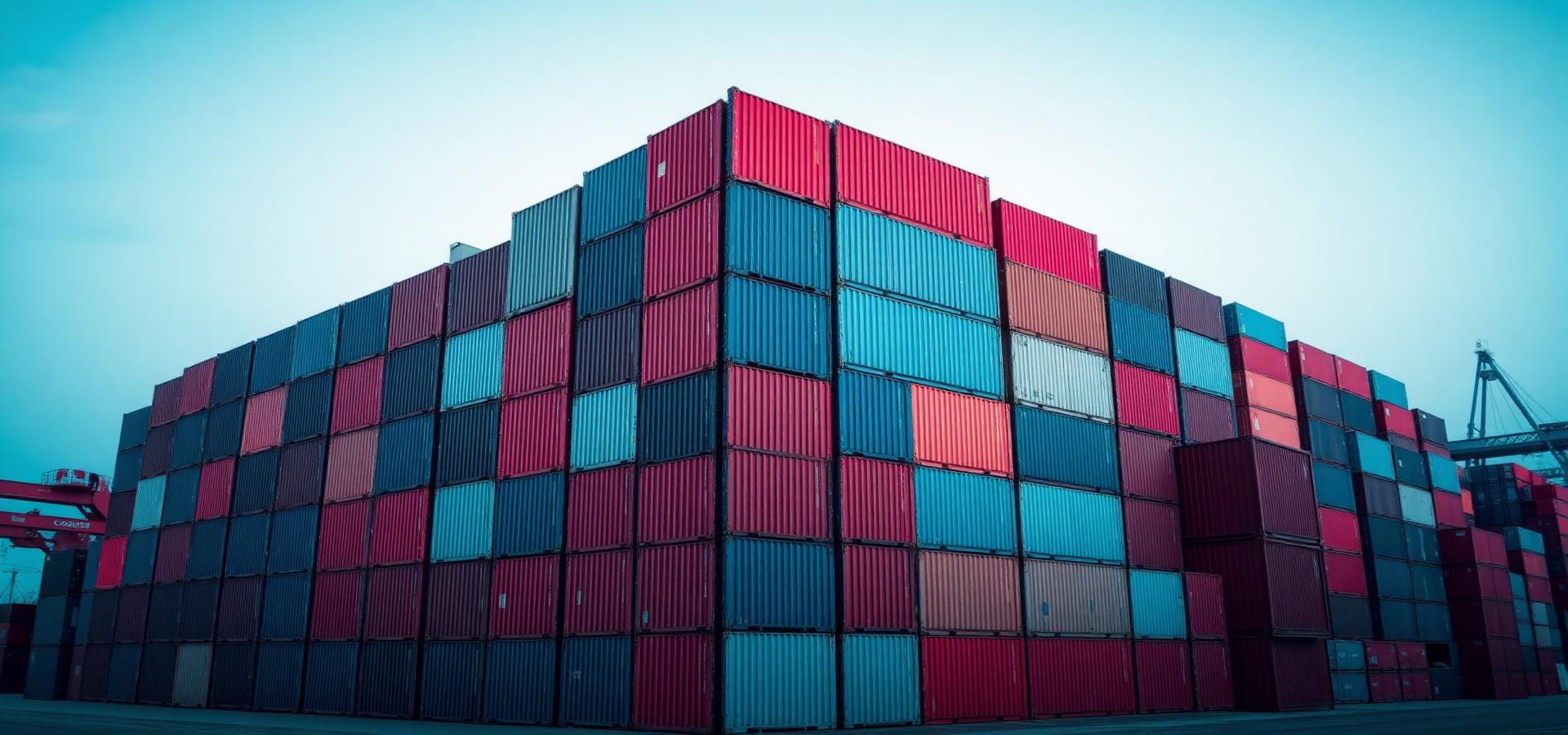
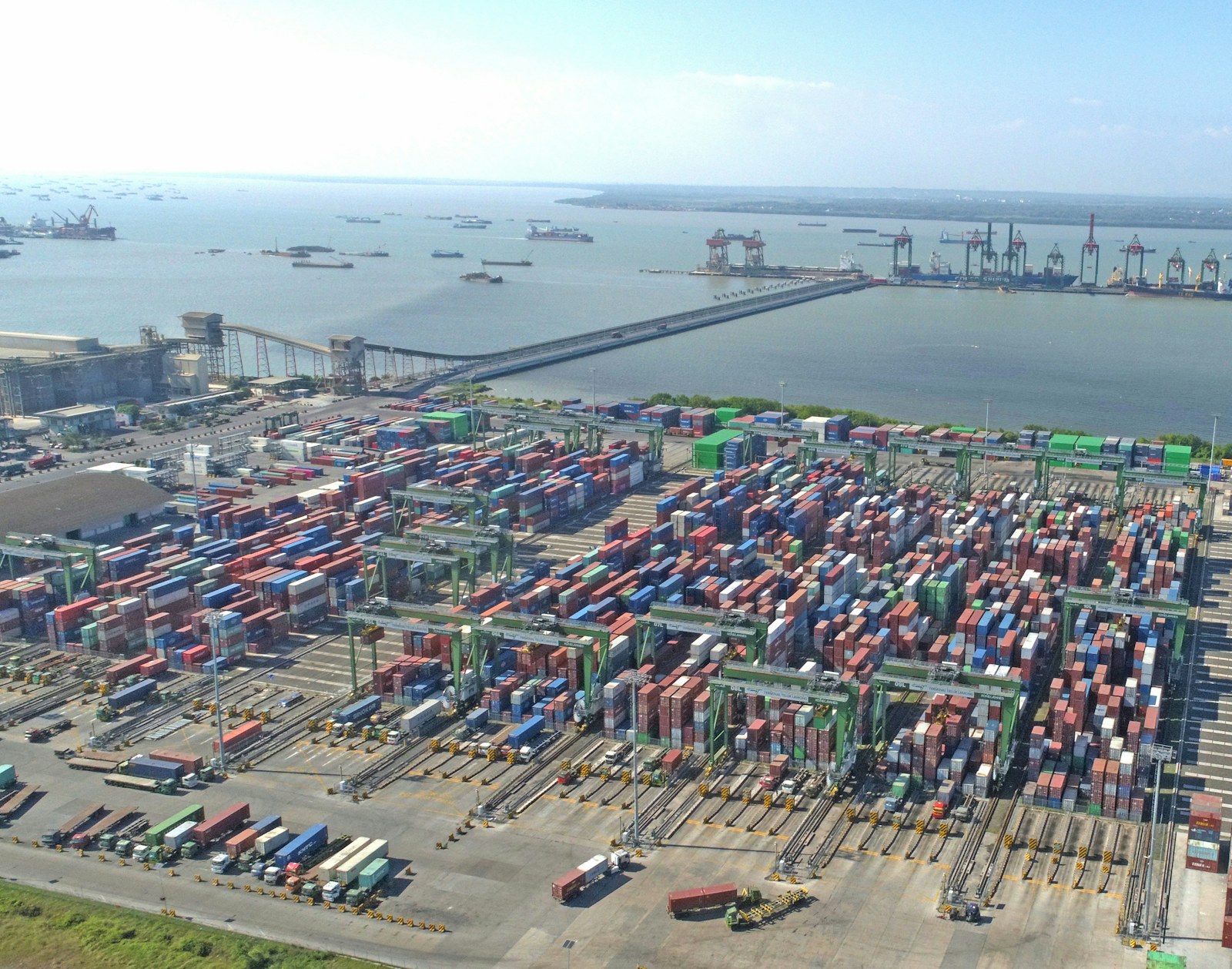
South Florida imports run on perishables, apparel and Latin American trade lanes, across two seaports and Miami International Airport. We file the ISF, the entry and the agency data, and manage the release for cargo landing at PortMiami, Port Everglades and MIA.
CargoTrans Inc. is a licensed US customs broker headquartered in Manhasset, NY, that clears imports through PortMiami (CBP Miami Seaport, port 5201), Port Everglades (CBP Port Everglades/Fort Lauderdale, port 5203) and Miami International Airport (CBP port 5206). We hold a national permit under 19 CFR 111.19 and file every entry electronically in ACE.
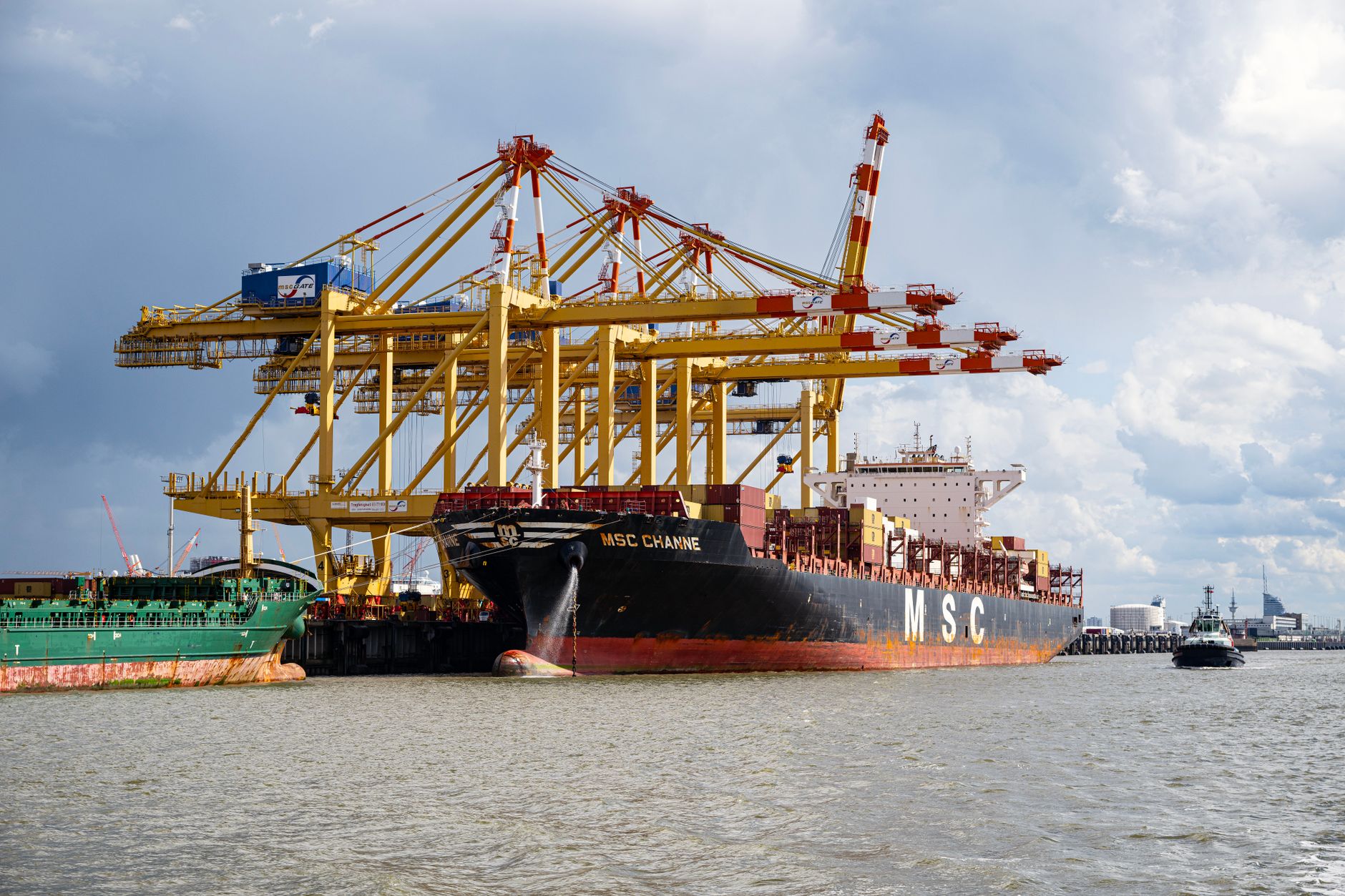
PortMiami handled 1,115,058 TEUs in fiscal 2025 through three container terminal operators, POMTOC, Seaboard Marine and South Florida Container Terminal. Its top imports were fruit and vegetables, apparel and textiles, machinery and furniture, and China, the Dominican Republic, Italy, Vietnam and Honduras were its largest import partners. Port Everglades reports 1,167,552 TEUs for fiscal 2025 on preliminary figures.
That mix puts agency data at the center of a Miami entry: FDA prior notice and USDA rules for perishables, CAFTA-DR origin for apparel, and Section 301 for Asian goods. Our customs brokerage service files the entry at any port; this page covers what is specific to South Florida.
5201
CBP port code, Miami Seaport
1.12M
PortMiami TEUs, fiscal 2025
91,958
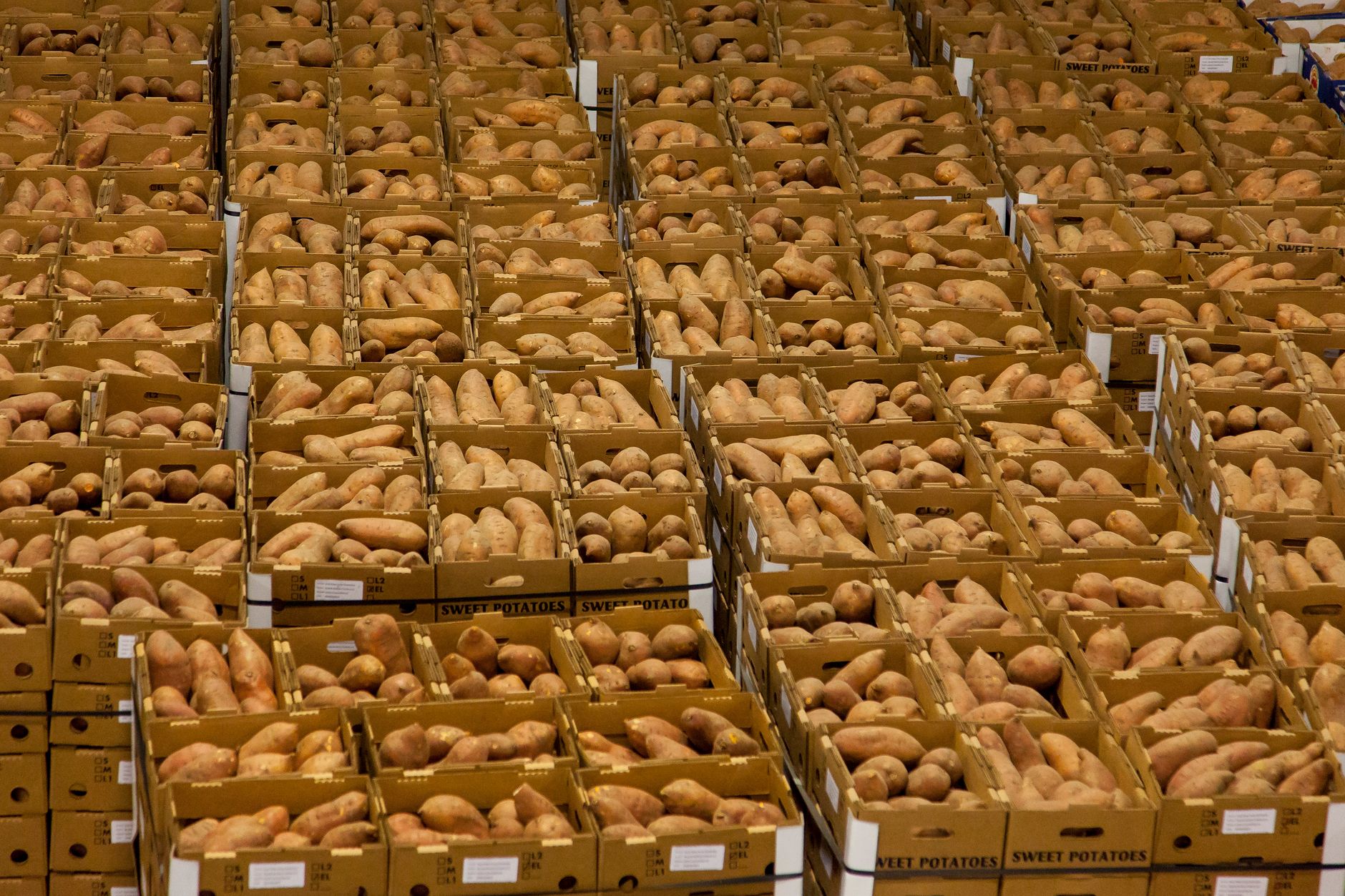
PortMiami import TEUs of fruit and vegetables, FY2025
Free Entry Review
Talk to a Licensed Broker
Quick 30-min review of your Miami entries, agency data, and open holds. No obligation.
We reply within 1 business day · Your data stays private.
Capabilities
Our Miami Customs Broker Capabilities
Six functions that take a container or an air shipment from South Florida to release, with perishable and origin data in place before arrival.
01
Entries for PortMiami and Port Everglades
ISF, entry and entry summary filed in ACE for ocean freight at either South Florida seaport.
ISF filed on the 24-hour rule before loading
Entry pre-filed before the vessel berths
Entry summary within 10 working days of release
Continuous bond in place before the first entry
02
MIA Air Cargo Entries
Air shipments into Miami International Airport (port 5206) cleared on the same ACE file as your ocean freight.
Entry pre-filed before the flight lands
CBP agriculture operations at MIA run 24/7
Release passed to your carrier or forwarder
03
Perishables: FDA and USDA
Fruit, vegetables and other food entered with the data FDA and CBP agriculture specialists screen.
FDA prior notice filed before arrival
APHIS permits and phytosanitary certificates checked
Agriculture inspection tracked to release
04
CAFTA-DR and Origin
Apparel and textiles from Central America and the Dominican Republic entered with the preference they qualify for.
Yarn-forward origin checked before claiming
Forced-labor duty exemption for duty-free CAFTA-DR goods
Origin records kept for verification
05
CBP Exams and CES Transfers
When CBP selects a container, we track the transfer, the exam and the release.
Exam type and status watched in ACE
Transfer to the examination station coordinated
CES fees billed per 19 CFR 118.4
06
Release and Records
Release passed to your trucker, and the entry file kept for audit.
We file PortMiami, Port Everglades and MIA entries under a national permit through remote location filing, so one broker covers your South Florida freight and every other US port you use.
Perishable entries are pre-filed with FDA prior notice and APHIS data before arrival, because produce cannot wait in a container while documents are found.
CAFTA-DR claims are checked against the yarn-forward rule before the entry, so duty-free apparel stays duty-free when CBP verifies the origin.
When CBP selects a container, we track the transfer to the examination station and explain how CES fees are billed as soon as the exam is ordered.
Our Process
How Our Miami Customs Broker Process Works
01
Documents and ISF
Collect invoice, packing list and ISF data before loading.
02
Classify and Qualify
Assign HTS lines and confirm CAFTA-DR or other origin.
03
Pre-File the Entry
Transmit entry, prior notice and agency data before arrival.
04
Exam or Release
Coordinate agriculture, FDA or CES exams and release.
Cargo at PortMiami and Port Everglades has 15 calendar days after landing before it can go to general order, and perishables run out of time long before that.
We pre-file the entry and the agency data before the cargo lands.
A CargoTrans licensed broker will review your South Florida entries, agency data and open holds and flag what puts your next shipment at risk.
Protected by reCAPTCHA. We respond within 1 business day. No spam, ever.
Control Tower
Miami Customs Broker Entries, Live in the Control Tower
(confirm with client or remove the section) South Florida entry beside its ISF, CBP release, FDA status and agriculture inspection, so a hold at PortMiami, Port Everglades or MIA is visible as soon as it posts in ACE.
Perishable entries are flagged by arrival time, so a shipment waiting on an agriculture inspection or an FDA review is worked first.
Each entry keeps its invoice, origin records, prior notice confirmation, phytosanitary certificates and exam results together, so a CBP request for information or a CAFTA-DR verification is answered from one file.
Do I need a customs broker located in Miami to clear cargo at PortMiami?
No. A broker with a national permit under 19 CFR 111.19 can transact customs business at any US port, and remote location filing under 19 CFR part 143, subpart E, lets that broker transmit the entry electronically to the port where the goods arrive. What stays local is the freight: the terminal, the trucker and, if CBP orders one, the examination station. CargoTrans is headquartered in Manhasset, NY, and files PortMiami, Port Everglades and MIA entries (ports 5201, 5203 and 5206) in ACE. Remote filing requires a continuous bond, electronic invoice data and ACH payment of duties, and it cannot be combined with line release or immediate delivery (19 CFR 143.43 and 143.44), so we set up the bond and the entry type before your first shipment.
What are the CBP port codes for Miami and Fort Lauderdale?
CBP lists three ports in the area. Miami Seaport, port code 5201, covers PortMiami, with CBP trade operations at the seaport and a Seaport Cargo Center for cargo questions. Port Everglades/Fort Lauderdale, port code 5203, has its port office at 1800 Eller Drive in Fort Lauderdale. Miami International Airport, port code 5206, has CBP's port office at 4200 NW 21st Street and agriculture operations at 6601 NW 25th Street. Containers discharged at PortMiami are entered under 5201 and those at Port Everglades under 5203, even though both sit under CBP's Miami Field Office. We confirm the port of unlading on each bill of lading or airway bill before we file, because an entry sent to the wrong port is rejected while the general order clock keeps running.
What does FDA and USDA need for perishables entering Miami?
Food needs FDA prior notice before it arrives, and food shipped without it is held at the port and cannot be released under bond until prior notice is submitted. The importer also needs the FDA entry data for each line and, for most foods, an FSVP importer. Fresh fruit and vegetables must be authorized for entry by APHIS from that country, often with a phytosanitary certificate or an import permit, and CBP agriculture specialists inspect them at the port; at MIA, CBP lists agriculture operations around the clock. Wood packaging must carry the ISPM 15 mark. We file prior notice and the agency data with the entry and track the inspection to release, so produce is not left waiting in a reefer for paperwork.
Which duties apply to apparel from Honduras, the Dominican Republic, China and Vietnam?
It depends on origin and on whether the goods qualify for CAFTA-DR. A men's cotton knit T-shirt in 6109.10.0012 carries a 16.5% MFN rate. When it qualifies under CAFTA-DR, which for most apparel means a yarn-forward rule, it enters duty-free from Honduras or the Dominican Republic, and duty-free CAFTA-DR textiles and apparel are exempt from the forced-labor duty. The same shirt from China pays 36.5% (16.5% MFN, 7.5% Section 301 List 4A and 12.5% forced-labor duty), and from Vietnam 29%. Non-qualifying goods from Honduras pay 26.5%. Our China to US tariff calculator and Vietnam to US tariff calculator show the stack for any line.
What happens if CBP selects my container for an exam in Miami?
CBP decides the type of exam. A non-intrusive scan can be done at the terminal, while a physical exam usually means the container is moved to a centralized examination station. A centralized examination station is a privately operated facility where CBP officers physically examine cargo (19 CFR 118.1). The station operator opens, unloads and reloads the shipment and bills the importer directly under a fee schedule filed with CBP (19 CFR 118.4). The importer also pays the drayage to and from the station and any storage, demurrage or per diem while the exam is pending. Perishables add a second clock, because product quality does not wait for the exam queue. We watch the exam status in ACE, coordinate the transfer with your trucker and pass the release as soon as it posts.
How long does customs clearance take at PortMiami or MIA?
There is no fixed clearance time; release depends on the data, the commodity and whether CBP or a partner agency selects the shipment. The deadlines around it are fixed. Ocean ISF data is due 24 hours before the cargo is loaded at the foreign port (19 CFR 149.2). Cargo that has not been entered may stay at the place of unlading until the 15th calendar day after landing, after which it can be sent to a general order warehouse (19 CFR 4.37). The entry summary and estimated duties are due within 10 working days after release (19 CFR 142.12). We pre-file the entry before arrival, so a clean shipment into PortMiami, Port Everglades or MIA can be released as soon as it is discharged, and we flag any shipment where documents arrive late.
Can I use a foreign-trade zone in Miami to defer duty?
Yes. PortMiami operates Foreign-Trade Zone 281 and Port Everglades operates Foreign-Trade Zone 25. Goods admitted to a zone are not entered for consumption until they leave it, so duty is paid only on what goes into US commerce, and goods re-exported from the zone pay no US duty. A zone suits importers that re-export to Latin America or the Caribbean or hold inventory for long periods. The zone operator handles admission and inventory control, and the entry for goods leaving the zone is filed by the importer or its broker. We file those entries and help you compare the zone against a regular consumption entry before you commit.
Do you arrange drayage from PortMiami and Port Everglades?
Yes, when you want one provider. We pass the release to the trucker you use; either way the pickup is planned against the terminal's free time, because demurrage starts when free time ends, not when customs releases the box. Refrigerated containers need power and a pickup plan that matches the inspection, so we coordinate both. If CBP selects the container for exam, the move to the examination station and back is part of the same plan. The release goes to you and your trucker as soon as it posts, with the entry number and any agency release the terminal needs to see.