
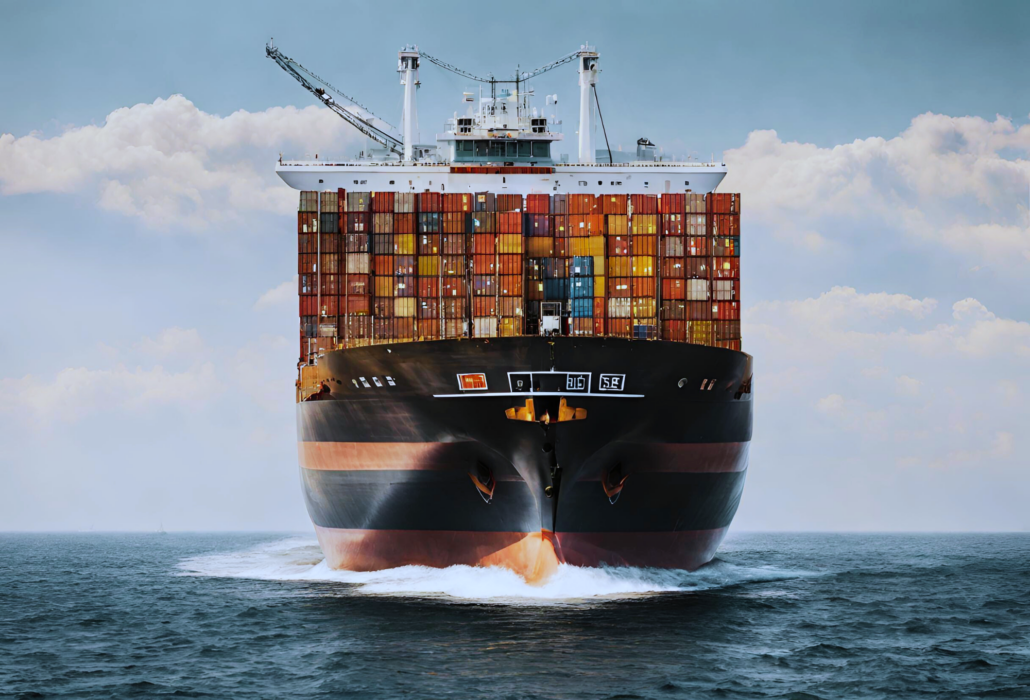
If you've been watching ocean freight rates in late 2023, you've noticed a pattern that resembles yo-yo dieting: carriers announce a General Rate Increase (GRI), shippers resist, rates slide back, and the cycle repeats. Here's why carrier GRI discipline — or the lack of it — is shaping your freight costs right now.
Panama Canal Restrictions Are Reshaping Routing Decisions
Starting November 2023, the Panama Canal Authority reduced daily transits from 36 to 31, potentially introducing 2–3 day delays for container services on eastbound routes. Vessels are near 100% utilization on a tonnage basis due to draft restrictions, but not on a TEU basis — meaning light cargo moves, but heavy shipments face weight-based restrictions.
Despite these delays, the Panama Canal remains a faster route than the Suez Canal for most Asia-origin ports. For shippers with time-sensitive cargo or heavy consignments, consider these alternatives:
- U.S. or Canadian West Coast with inland rail or truck to final destination
- All-water East Coast routing via Suez — adds transit days but avoids draft restrictions
- Air freight for genuinely time-critical cargo
Discuss routing options with your freight forwarder before committing to bookings — the cost difference between routing options can exceed $300/TEU depending on lane and timing.
Why Carrier GRIs Are Mimicking Yo-Yo Dieting
Market rates remain below pre-pandemic levels as carriers push blank sailings to tighten capacity and support rate increases. The strategy mirrors yo-yo dieting: short-term restriction produces temporary results, but without sustained discipline, the market reverts to baseline.
The November GRI effectiveness will hinge entirely on carrier discipline. Key data points:
- TAC Index: Rates out of China to the U.S. up 6%; rates from Hong Kong to North America up 14% in the past month
- Freightos FAX: Rates from South Asia to North America jumped 12.5% since start of October; South Asia to Europe rose 21% (in the 100kg–300kg category)
- Creating artificial demand through capacity withdrawal has not proven to be a reliable long-term strategy for carriers — shippers with flexible timing can wait out GRI cycles
The bottom line: carriers still haven't re-established the market conditions that give them back control of freight rates. Shippers who work with experienced freight forwarders tracking these cycles in real time hold a significant advantage.
Track every shipment and rate change in real time
Blank sailing alerts, GRI notifications, port congestion data, and full shipment visibility across all carriers and lanes.
What Is a Blank Sailing and How Does It Affect Your Costs?
A blank sailing occurs when a carrier cancels a scheduled vessel departure, either entirely or for specific ports. Carriers use blank sailings to reduce available space on a trade lane — artificially tightening supply to support rate increases. For shippers, blank sailings cause:
- Booking displacement: Your cargo gets rolled to the next available sailing, adding 7–14 days to transit
- Rate exposure: If your contract or quote expires before rebook, you may face higher spot rates
- Planning disruption: Inventory buffers get consumed faster than planned, especially for just-in-time supply chains
Monitoring blank sailing announcements 4–6 weeks ahead gives importers time to pre-book, adjust safety stock, or evaluate alternative carriers. This is one of the core functions CargoTrans provides through Captain Control Tower.
Rate Trends by Trade Lane (Week of November 2, 2023)
| Trade Lane | Trend | Key Factor |
|---|---|---|
| China → North America | +6% (month) | Blank sailing discipline + Panama restrictions |
| Hong Kong → North America | +14% (month) | TAC Index — outperforming China lane |
| South Asia → North America | +12.5% (since Oct 1) | Freightos FAX — accelerating uplift |
| South Asia → Europe | +21% (since Oct 1) | 100–300kg category; demand recovery |
Frequently Asked Questions
What is a General Rate Increase (GRI) in ocean freight?
A General Rate Increase is a carrier-announced, across-the-board rate hike applied to a specific trade lane. Carriers typically announce GRIs 30 days in advance. Whether a GRI “sticks” depends on market supply and demand — in soft markets, shippers reject GRIs by booking spot. In tight markets (peak season, disruptions), GRIs hold and compound quickly. Monitoring GRI calendars 4–6 weeks ahead is essential for freight budgeting.
How long does a GRI typically last?
Effective GRIs can hold for 2–8 weeks before market forces erode them. Carriers attempt to sustain GRIs through coordinated blank sailings and capacity management. However, when multiple carriers compete for the same cargo, the incentive to undercut a GRI is strong. In the Q4 2023 environment, most GRIs were lasting 2–4 weeks before softening.
Should I book now or wait for rates to come down?
This depends on your operational flexibility. If you can absorb a 2–4 week delay in receiving cargo, waiting through a GRI cycle may save $300–$800/TEU. If your inventory position is tight or your lead time is fixed, booking before a GRI announcement is cheaper. Your freight forwarder should help you model this decision based on your specific trade lane and timing. Contact CargoTrans for a rate timing analysis.
How do blank sailings affect delivery timelines?
Each blank sailing on your carrier typically adds 7–14 days to transit if your booking gets rolled. During periods of heavy blank sailing activity — like late 2023 — cumulative rollings can add 3–5 weeks to supply chain lead times. Building a safety stock buffer of 3–4 extra weeks and monitoring sailing schedules through a platform like Captain helps protect against disruption.