
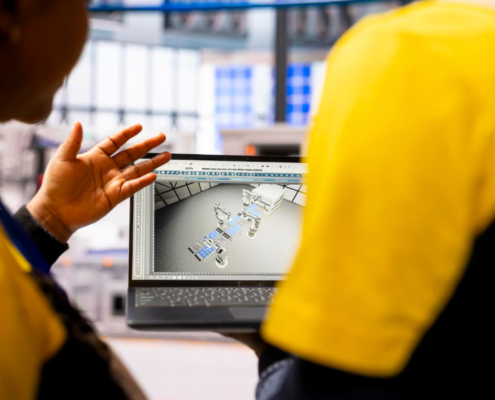
 https://cargotransinc.com/wp-content/uploads/2026/03/Real‑time-shipment-tracking-for-logistics-teams.png
609
920
Oriol F5
https://cargotransinc.com/wp-content/uploads/2025/06/CargoTrans-Logo-Color-300x104.png
Oriol F52026-03-08 09:44:112026-03-08 09:44:12Real-Time Shipment Tracking for Modern Logistics Teams
https://cargotransinc.com/wp-content/uploads/2026/03/Real‑time-shipment-tracking-for-logistics-teams.png
609
920
Oriol F5
https://cargotransinc.com/wp-content/uploads/2025/06/CargoTrans-Logo-Color-300x104.png
Oriol F52026-03-08 09:44:112026-03-08 09:44:12Real-Time Shipment Tracking for Modern Logistics TeamsDiscover Why Customs Consulting is Essential for International Trade and how CargoTransInc’s Control Tower platform provides end-to-end visibility to streamline global logistics.
5 Key Benefits for Modern Supply Chains
International trade allows businesses to expand beyond domestic markets, reach new customers, and build resilient supply chains. However, moving goods across borders is not simple. Companies must comply with complex regulations, prepare detailed documentation, and manage multiple logistics partners across different countries.
This complexity explains Why Customs Consulting is Essential for International Trade. Customs consulting helps businesses navigate regulations, avoid delays, and reduce the risks associated with cross-border shipping.
Today, the process is becoming even more efficient thanks to advanced technology solutions. Platforms such as CargoTransInc’s Control Tower platform offer companies end-to-end supply chain visibility, allowing them to monitor shipments, manage compliance, and respond quickly to disruptions.
Together, expert customs consulting and real-time visibility tools provide businesses with the control they need to operate successfully in global markets.
Understanding Customs Consulting in Global Logistics
Customs consulting refers to professional services that help companies manage import and export regulations. Customs consultants understand international trade laws, tariff structures, and compliance requirements across different countries.
Their role is to guide businesses through complex customs procedures while ensuring shipments meet all legal requirements.
Customs consulting typically involves:
- Advising on import and export regulations.
- Preparing and reviewing customs documentation.
- Ensuring proper product classification and duty calculation.
- Monitoring regulatory changes that may impact trade.
- Supporting audits and compliance reviews.
Global trade regulations are constantly evolving. Organizations such as the World Trade Organization regularly update policies that affect international commerce. Businesses involved in cross-border shipping must stay informed and compliant to avoid disruptions.
Without expert guidance, companies risk delays, penalties, and additional operational costs.
The customs consulting key
Understanding Why Customs Consulting is Essential for International Trade becomes clearer when looking at the challenges companies face when moving goods internationally.
1. Managing Complex Customs Regulations
Every country has its own import rules, product classifications, and documentation requirements. Businesses shipping globally must navigate a web of regulations that vary by region.
Customs consultants help companies interpret these regulations and ensure that shipments comply with the necessary standards. This reduces the risk of shipment holds or rejected documentation.
2. Preventing Shipment Delays
Delays at customs checkpoints are one of the most common disruptions in international supply chains. Even minor errors in paperwork can result in shipments being held for inspection.
Customs consulting helps businesses avoid these problems by ensuring documentation is accurate and complete before shipments reach the border. This preparation significantly improves clearance times.
3. Reducing Compliance Risks
Regulatory non-compliance can lead to fines, shipment seizures, and reputational damage. Companies that regularly import or export goods must maintain strict compliance with customs authorities.
Customs consultants monitor regulatory changes and ensure businesses stay aligned with current requirements. This proactive approach protects organizations from unnecessary legal or financial risks.
4. Improving Supply Chain Efficiency
Efficient customs processes help keep supply chains moving smoothly. When shipments clear customs quickly, companies can maintain predictable delivery schedules and avoid costly disruptions.
By working closely with logistics partners and customs authorities, consultants streamline the entire clearance process. This improves operational efficiency and helps businesses meet customer expectations.
5. Supporting Data-Driven Logistics Decisions
Modern logistics relies heavily on accurate data and real-time insights. Customs consultants often work alongside digital platforms that track shipments and provide operational visibility.
This combination of expertise and technology enables companies to make faster and more informed decisions across their supply chains.
The Role of Visibility Technology in International Trade
While customs expertise is critical, technology now plays an equally important role in global logistics operations.
Many companies struggle with fragmented supply chains where information is scattered across different systems. Without centralized visibility, it becomes difficult to track shipments, identify disruptions, or manage compliance efficiently.
This challenge has led to the rise of logistics control tower platforms, which centralize supply chain information into a single digital interface.
Dive Into Our Blog
https://cargotransinc.com/wp-content/uploads/2026/03/Real‑time-shipment-tracking-for-logistics-teams.png
609
920
Oriol F5
https://cargotransinc.com/wp-content/uploads/2025/06/CargoTrans-Logo-Color-300x104.png
Oriol F52026-03-08 09:44:112026-03-08 09:44:12Real-Time Shipment Tracking for Modern Logistics Teams https://cargotransinc.com/wp-content/uploads/2026/03/supply-chain-challenges--scaled.jpg
1707
2560
Oriol F5
https://cargotransinc.com/wp-content/uploads/2025/06/CargoTrans-Logo-Color-300x104.png
Oriol F52026-03-08 09:36:272026-03-08 09:36:2910 Supply Chain Challenges Businesses Will Face in 2026
https://cargotransinc.com/wp-content/uploads/2026/03/supply-chain-challenges--scaled.jpg
1707
2560
Oriol F5
https://cargotransinc.com/wp-content/uploads/2025/06/CargoTrans-Logo-Color-300x104.png
Oriol F52026-03-08 09:36:272026-03-08 09:36:2910 Supply Chain Challenges Businesses Will Face in 2026 https://cargotransinc.com/wp-content/uploads/2026/03/how-to-track-ocean-air-and-land-freight-in-one-dashboard-scaled.jpg
1707
2560
Oriol F5
https://cargotransinc.com/wp-content/uploads/2025/06/CargoTrans-Logo-Color-300x104.png
Oriol F52026-03-08 09:28:222026-03-08 09:28:47Track Ocean, Air, and Land Freight in One Dashboard
https://cargotransinc.com/wp-content/uploads/2026/03/how-to-track-ocean-air-and-land-freight-in-one-dashboard-scaled.jpg
1707
2560
Oriol F5
https://cargotransinc.com/wp-content/uploads/2025/06/CargoTrans-Logo-Color-300x104.png
Oriol F52026-03-08 09:28:222026-03-08 09:28:47Track Ocean, Air, and Land Freight in One Dashboard https://cargotransinc.com/wp-content/uploads/2026/03/Customs-consulting.jpg
1669
2500
Oriol F5
https://cargotransinc.com/wp-content/uploads/2025/06/CargoTrans-Logo-Color-300x104.png
Oriol F52026-03-08 09:00:002026-03-08 09:01:45Why Customs Consulting is Essential for International Trade
https://cargotransinc.com/wp-content/uploads/2026/03/Customs-consulting.jpg
1669
2500
Oriol F5
https://cargotransinc.com/wp-content/uploads/2025/06/CargoTrans-Logo-Color-300x104.png
Oriol F52026-03-08 09:00:002026-03-08 09:01:45Why Customs Consulting is Essential for International Trade https://cargotransinc.com/wp-content/uploads/2026/02/how-do-retaliatory-tariffs-work-scaled.jpg
1995
2560
Oriol F5
https://cargotransinc.com/wp-content/uploads/2025/06/CargoTrans-Logo-Color-300x104.png
Oriol F52026-02-25 01:38:382026-02-26 01:10:38How Do Retaliatory Tariffs Work for Shippers?
https://cargotransinc.com/wp-content/uploads/2026/02/how-do-retaliatory-tariffs-work-scaled.jpg
1995
2560
Oriol F5
https://cargotransinc.com/wp-content/uploads/2025/06/CargoTrans-Logo-Color-300x104.png
Oriol F52026-02-25 01:38:382026-02-26 01:10:38How Do Retaliatory Tariffs Work for Shippers?Frequently Asked Questions
How does customs consulting differ from customs brokerage?
Customs consulting focuses on strategic guidance and compliance planning for international trade. Consultants help businesses understand regulations, optimize tariff classifications, and manage long-term compliance strategies. Customs brokerage, on the other hand, primarily handles the operational side of customs clearance, such as submitting documentation and processing shipments through customs authorities. Many companies benefit from both services working together.
What industries benefit most from customs consulting services?
Industries that rely heavily on international trade benefit the most from customs consulting. This includes manufacturing, automotive, retail, electronics, pharmaceuticals, and consumer goods companies. These sectors often deal with complex product classifications, strict regulatory requirements, and high shipment volumes, making expert customs guidance essential for maintaining smooth operations.
Can small and medium-sized businesses benefit from supply chain visibility platforms?
Yes, small and medium-sized businesses can benefit significantly from supply chain visibility tools. Platforms like CargoTransInc’s Control Tower provide centralized shipment tracking and operational insights, which help smaller companies manage logistics more efficiently. With better visibility, businesses can reduce delays, improve planning, and gain more control over international shipments.
What challenges do companies face when expanding into new international markets?
When entering new markets, companies often encounter unfamiliar customs regulations, import restrictions, tax structures, and documentation requirements. Language barriers and differences in logistics infrastructure can also create challenges. Customs consulting helps businesses understand these requirements and establish compliant processes before shipping goods into new regions.
How do digital logistics platforms improve collaboration between partners?
Digital logistics platforms create a shared environment where supply chain partners can access real-time shipment data. Freight forwarders, suppliers, carriers, and internal teams can view the same information, which improves communication and coordination. This transparency helps teams respond quickly to delays and maintain smoother logistics operations.
What should companies look for when choosing a customs consulting partner?
Businesses should look for a consulting partner with strong experience in international trade regulations, knowledge of multiple markets, and access to modern logistics technology. A reliable partner should also provide proactive guidance, compliance monitoring, and visibility tools that help companies track shipments and manage customs processes more effectively.