
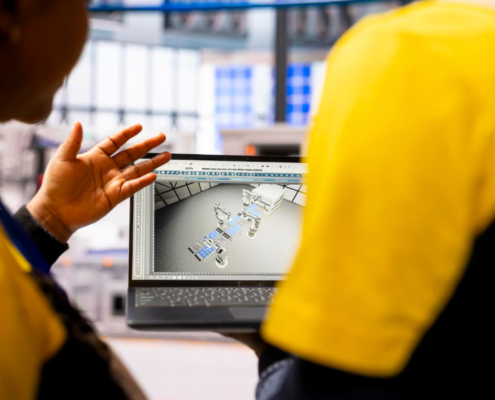
 https://cargotransinc.com/wp-content/uploads/2026/03/Real‑time-shipment-tracking-for-logistics-teams.png
609
920
Oriol F5
https://cargotransinc.com/wp-content/uploads/2025/06/CargoTrans-Logo-Color-300x104.png
Oriol F52026-03-08 09:44:112026-03-08 09:44:12Real-Time Shipment Tracking for Modern Logistics Teams
https://cargotransinc.com/wp-content/uploads/2026/03/Real‑time-shipment-tracking-for-logistics-teams.png
609
920
Oriol F5
https://cargotransinc.com/wp-content/uploads/2025/06/CargoTrans-Logo-Color-300x104.png
Oriol F52026-03-08 09:44:112026-03-08 09:44:12Real-Time Shipment Tracking for Modern Logistics TeamsGlobal logistics has become increasingly complex. Businesses often move cargo across multiple transportation modes — ocean, air, and land — while relying on different carriers, systems, and tracking portals.
This fragmentation creates a major problem: limited visibility across the supply chain.
Without a centralized tracking system, logistics teams spend hours checking carrier websites, updating spreadsheets, and responding to customer inquiries.
Why Multi-Modal Shipment Visibility Matters
Modern supply chains rarely rely on a single transportation method. A typical international shipment may include:
- Ocean freight from Asia to the US
- Rail or trucking from port to warehouse
- Air freight for urgent replenishment
When visibility is fragmented across multiple systems, businesses face several challenges:
Common logistics visibility problems
- Lack of real-time shipment status
- Delayed responses to disruptions
- Poor coordination between carriers
- Increased operational workload
- Limited data for decision-making
A Control Tower dashboard solves these issues by centralizing all shipment data into one place.
What Is a Freight Control Tower Dashboard?
A Control Tower platform is a centralized logistics visibility system that aggregates data from:
- Ocean carriers
- Airlines
- Trucking companies
- Rail providers
- Ports and terminals
- Customs systems
The platform consolidates this data into a single dashboard where logistics teams can monitor every shipment in real time.
Core capabilities of a modern Control Tower platform
| Feature | Description |
|---|---|
| Real-time tracking | Monitor shipments across ocean, air, and land |
| Automated alerts | Get notified about delays, exceptions, or disruptions |
| Centralized shipment dashboard | Track all shipments from one interface |
| Carrier performance insights | Analyze transit times and reliability |
| Document visibility | Access shipping documents in one place |
5 Steps to track your freight
1. Connect Multiple Data Sources
A visibility platform integrates with:
- Ocean carrier systems
- Airline cargo tracking
- GPS and AIS vessel tracking
- Trucking telematics
- Port and terminal data
These integrations automatically collect shipment updates and feed them into the dashboard.
This creates end-to-end shipment visibility across all transport modes.
2. Centralize Shipment Tracking
Once data sources are connected, the Control Tower displays all shipments in one interface.
Logistics teams can quickly see:
- shipment location
- current status
- estimated arrival time
- carrier details
- route progress
Instead of switching between different portals, all shipment information is visible in one place.
3. Monitor Shipments in Real Time
Real-time tracking is critical for proactive supply chain management.
A modern freight visibility dashboard allows users to:
- track vessel movements
- monitor flight status
- follow truck GPS locations
- receive updated ETAs
This enables logistics teams to anticipate delays and respond quickly.
4. Receive Proactive Alerts
One of the most valuable features of a Control Tower platform is automated alerts.
These notifications inform teams when:
- shipments are delayed
- vessels arrive late
- customs issues occur
- route disruptions happen
- ETAs change
Instead of discovering problems after they occur, teams can act immediately to mitigate disruptions.
5. Analyze Logistics Performance
Beyond tracking shipments, a centralized dashboard also provides logistics analytics.
Businesses can analyze:
- carrier reliability
- average transit times
- delay patterns
- port congestion impacts
- supply chain bottlenecks
These insights help companies optimize routing decisions and improve overall supply chain efficiency.
Key Benefits of Tracking Freight in One Dashboard
Using a unified logistics visibility platform provides significant operational advantages.
Improved shipment visibility
Companies gain complete transparency across all transport modes, eliminating blind spots in the supply chain.
Faster decision making
With real-time data and alerts, teams can quickly respond to disruptions and adjust logistics plans.
Reduced operational workload
Logistics teams spend less time:
- Checking carrier portals
- Manually updating spreadsheets
- Answering shipment status requests
Better customer communication
A centralized dashboard makes it easier to provide customers with accurate shipment updates and ETAs.
Optimized supply chain performance
With access to detailed logistics data, businesses can continuously improve their shipping strategies.
Best Practices for Implementing a Freight Visibility Platform
When adopting a Control Tower solution, companies should follow several best practices.
Standardize shipment data
Ensure shipment information such as:
- Container numbers
- Booking references
- Airway bills
- Tracking IDs
is consistently captured and integrated into the platform.
Integrate with multiple carriers
Visibility improves significantly when the platform connects to multiple carrier systems and data sources.
Use automated alerts strategically
Configure alerts for key events such as:
- Delayed departures
- Missed connections
- Customs holds
- Port congestion
This allows teams to prioritize the most critical disruptions.
Leverage logistics analytics
Use historical shipment data to identify trends and improve operational planning.
How a Control Tower Dashboard Simplifies Global Freight Tracking
A modern Control Tower visibility platform enables logistics teams to track ocean, air, and land freight from one unified interface.
Instead of relying on fragmented systems, companies gain:
centralized shipment monitoring
- Real-time logistics updates
- Proactive alerts
- Supply chain analytics
- Improved operational efficiency
For businesses managing complex international supply chains, a single shipment visibility dashboard becomes an essential logistics tool.
Dive Into Our Blog
https://cargotransinc.com/wp-content/uploads/2026/03/Real‑time-shipment-tracking-for-logistics-teams.png
609
920
Oriol F5
https://cargotransinc.com/wp-content/uploads/2025/06/CargoTrans-Logo-Color-300x104.png
Oriol F52026-03-08 09:44:112026-03-08 09:44:12Real-Time Shipment Tracking for Modern Logistics Teams https://cargotransinc.com/wp-content/uploads/2026/03/supply-chain-challenges--scaled.jpg
1707
2560
Oriol F5
https://cargotransinc.com/wp-content/uploads/2025/06/CargoTrans-Logo-Color-300x104.png
Oriol F52026-03-08 09:36:272026-03-08 09:36:2910 Supply Chain Challenges Businesses Will Face in 2026
https://cargotransinc.com/wp-content/uploads/2026/03/supply-chain-challenges--scaled.jpg
1707
2560
Oriol F5
https://cargotransinc.com/wp-content/uploads/2025/06/CargoTrans-Logo-Color-300x104.png
Oriol F52026-03-08 09:36:272026-03-08 09:36:2910 Supply Chain Challenges Businesses Will Face in 2026 https://cargotransinc.com/wp-content/uploads/2026/03/how-to-track-ocean-air-and-land-freight-in-one-dashboard-scaled.jpg
1707
2560
Oriol F5
https://cargotransinc.com/wp-content/uploads/2025/06/CargoTrans-Logo-Color-300x104.png
Oriol F52026-03-08 09:28:222026-03-08 09:28:47Track Ocean, Air, and Land Freight in One Dashboard
https://cargotransinc.com/wp-content/uploads/2026/03/how-to-track-ocean-air-and-land-freight-in-one-dashboard-scaled.jpg
1707
2560
Oriol F5
https://cargotransinc.com/wp-content/uploads/2025/06/CargoTrans-Logo-Color-300x104.png
Oriol F52026-03-08 09:28:222026-03-08 09:28:47Track Ocean, Air, and Land Freight in One Dashboard https://cargotransinc.com/wp-content/uploads/2026/03/Customs-consulting.jpg
1669
2500
Oriol F5
https://cargotransinc.com/wp-content/uploads/2025/06/CargoTrans-Logo-Color-300x104.png
Oriol F52026-03-08 09:00:002026-03-08 09:01:45Why Customs Consulting is Essential for International Trade
https://cargotransinc.com/wp-content/uploads/2026/03/Customs-consulting.jpg
1669
2500
Oriol F5
https://cargotransinc.com/wp-content/uploads/2025/06/CargoTrans-Logo-Color-300x104.png
Oriol F52026-03-08 09:00:002026-03-08 09:01:45Why Customs Consulting is Essential for International Trade https://cargotransinc.com/wp-content/uploads/2026/02/how-do-retaliatory-tariffs-work-scaled.jpg
1995
2560
Oriol F5
https://cargotransinc.com/wp-content/uploads/2025/06/CargoTrans-Logo-Color-300x104.png
Oriol F52026-02-25 01:38:382026-02-26 01:10:38How Do Retaliatory Tariffs Work for Shippers?
https://cargotransinc.com/wp-content/uploads/2026/02/how-do-retaliatory-tariffs-work-scaled.jpg
1995
2560
Oriol F5
https://cargotransinc.com/wp-content/uploads/2025/06/CargoTrans-Logo-Color-300x104.png
Oriol F52026-02-25 01:38:382026-02-26 01:10:38How Do Retaliatory Tariffs Work for Shippers?Frequently Asked Questions
What is a supply chain control tower?
A supply chain control tower is a digital platform that provides centralized visibility into logistics operations, shipments, and transportation networks.
Can a single dashboard track ocean, air, and trucking shipments?
Yes. Modern logistics visibility platforms integrate data from multiple carriers and transportation modes, allowing businesses to track all shipments from one system.
How accurate is real-time freight tracking?
Accuracy depends on the data sources used, such as carrier integrations, AIS vessel tracking, airline systems, and GPS trucking data.
What companies benefit most from freight visibility platforms?
Businesses that manage international logistics, including:
- import/export companies
- manufacturers
- retailers
- eCommerce companies
- freight forwarders
What data sources are used for shipment visibility?
Typical sources include:
- ocean carrier systems
- airline cargo tracking
- port and terminal data
- trucking GPS systems
- customs updates