
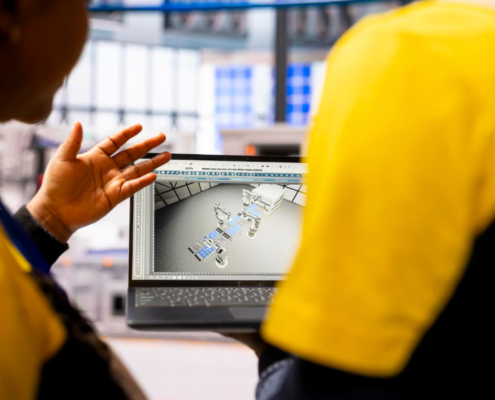
 https://cargotransinc.com/wp-content/uploads/2026/03/Real‑time-shipment-tracking-for-logistics-teams.png
609
920
Oriol F5
https://cargotransinc.com/wp-content/uploads/2025/06/CargoTrans-Logo-Color-300x104.png
Oriol F52026-03-08 09:44:112026-03-08 09:44:12Real-Time Shipment Tracking for Modern Logistics Teams
https://cargotransinc.com/wp-content/uploads/2026/03/Real‑time-shipment-tracking-for-logistics-teams.png
609
920
Oriol F5
https://cargotransinc.com/wp-content/uploads/2025/06/CargoTrans-Logo-Color-300x104.png
Oriol F52026-03-08 09:44:112026-03-08 09:44:12Real-Time Shipment Tracking for Modern Logistics TeamsGlobal supply chains are becoming more complex, volatile, and data-driven. Businesses moving goods across ocean, air, and land transportation networks must manage disruptions, regulatory changes, rising costs, and growing customer expectations.
In 2026, companies that lack end-to-end shipment visibility and proactive logistics management will struggle to keep up with supply chain demands.
Below are the 10 biggest supply chain challenges companies must solve in 2026 and how modern logistics platforms can help businesses stay competitive.
1. Lack Of End-To-End Shipment Visibility
One of the biggest challenges in global logistics is limited visibility across transportation networks.
Many companies still rely on:
- Carrier portals
- Spreadsheets
- Email updates
- Manual shipment tracking
This fragmented approach makes it difficult to monitor shipments across ocean, air, and land freight.
A centralized Control Tower dashboard solves this problem by giving logistics teams real-time shipment visibility in one platform.
2. Increasing Supply Chain Disruptions
Global supply chains continue to face frequent disruptions, including:
- Port congestion
- Geopolitical tensions
- Extreme weather events
- Labor strikes
- Transportation capacity shortages
Without proactive monitoring, these disruptions can delay shipments and increase operational costs.
Real-time alerts and predictive insights help logistics teams identify risks earlier and respond faster.
3. Rising Transportation Costs
Freight costs remain unpredictable due to:
- Fuel price fluctuations
- Carrier capacity constraints
- Regulatory changes
- Seasonal demand spikes
Companies must optimize their logistics strategies to control transportation spending.
Data-driven logistics platforms allow businesses to analyze:
- Carrier performance
- Transit times
- Route efficiency
This helps teams make smarter shipping decisions and reduce logistics costs.
4. Fragmented Logistics Data
Supply chain data is often scattered across multiple systems such as:
- Freight forwarders
- Carriers
- Customs brokers
- Warehouse systems
- Transportation platforms
This fragmentation creates data silos that limit operational efficiency.
A unified visibility platform consolidates shipment data into one centralized dashboard, improving coordination across logistics teams.
5. Delayed Response To Shipment Exceptions
Many supply chain teams only discover problems after delays have already occurred.
Examples include:
- Missed vessel departures
- Flight cancellations
- Customs holds
- Port congestion
With proactive alerts and automated notifications, companies can respond to logistics issues before they escalate.
6. Growing Customer Expectations For Transparency
Customers increasingly expect real-time shipment updates and accurate delivery timelines.
Businesses that cannot provide shipment visibility often face:
- Increased customer service requests
- Lower customer satisfaction
- Reduced trust in delivery timelines
A modern logistics visibility platform allows companies to share shipment updates and ETAs more easily with customers.
7. Managing Multi-Modal Transportation
International shipments often involve multiple transportation methods, including:
- Ocean freight
- Air freight
- Trucking
- Rail transport
Coordinating these transportation modes without a centralized system is challenging.
Control Tower platforms allow logistics teams to track all transportation modes within a single dashboard, simplifying operations.
8. Increasing Regulatory And Tariff Complexity
Global trade regulations and tariffs are constantly evolving.
Businesses must navigate:
- Customs compliance requirements
- Import/export regulations
- Changing tariffs and duties
Without proper monitoring tools, regulatory changes can disrupt supply chains and increase costs.
Tariff monitoring and trade intelligence tools help companies stay ahead of regulatory changes and plan accordingly.
9. Carrier Performance Management
Not all carriers deliver the same level of reliability.
Without proper analytics, companies struggle to evaluate:
- Transit time consistency
- Delay frequency
- Route performance
Supply chain analytics allow businesses to track carrier performance and select the most reliable transportation partners.
10. Lack Of Supply Chain Predictability
One of the biggest challenges in logistics is uncertainty.
Without predictive insights, companies cannot accurately forecast:
- Delivery timelines
- Potential delays
- Supply chain bottlenecks
Visibility platforms that combine real-time data and historical analytics help businesses improve supply chain predictability.
How Visibility Platforms Help Solve Supply Chain Challenges
To address these challenges, many companies are adopting Control Tower logistics platforms that centralize supply chain data and tracking.
These platforms provide:
- Real-time shipment tracking across ocean, air, and land.
- Proactive alerts for delays and disruptions.
- Centralized logistics dashboards.
- Carrier performance analytics.
- Improved shipment transparency.
With these capabilities, businesses can transform their logistics operations from reactive problem-solving to proactive supply chain management.
Final Thoughts
Supply chains in 2026 will require greater visibility, smarter analytics, and faster decision-making.
Companies that rely on fragmented systems and manual tracking will struggle to manage growing logistics complexity.
By adopting modern supply chain visibility platforms, businesses can:
Reduce delays
- Improve shipment transparency.
- Optimize transportation performance.
- Strengthen supply chain resilience.
For organizations managing global logistics, real-time shipment visibility is no longer optional — it’s essential for staying competitive.
Dive Into Our Blog
https://cargotransinc.com/wp-content/uploads/2026/03/Real‑time-shipment-tracking-for-logistics-teams.png
609
920
Oriol F5
https://cargotransinc.com/wp-content/uploads/2025/06/CargoTrans-Logo-Color-300x104.png
Oriol F52026-03-08 09:44:112026-03-08 09:44:12Real-Time Shipment Tracking for Modern Logistics Teams https://cargotransinc.com/wp-content/uploads/2026/03/supply-chain-challenges--scaled.jpg
1707
2560
Oriol F5
https://cargotransinc.com/wp-content/uploads/2025/06/CargoTrans-Logo-Color-300x104.png
Oriol F52026-03-08 09:36:272026-03-08 09:36:2910 Supply Chain Challenges Businesses Will Face in 2026
https://cargotransinc.com/wp-content/uploads/2026/03/supply-chain-challenges--scaled.jpg
1707
2560
Oriol F5
https://cargotransinc.com/wp-content/uploads/2025/06/CargoTrans-Logo-Color-300x104.png
Oriol F52026-03-08 09:36:272026-03-08 09:36:2910 Supply Chain Challenges Businesses Will Face in 2026 https://cargotransinc.com/wp-content/uploads/2026/03/how-to-track-ocean-air-and-land-freight-in-one-dashboard-scaled.jpg
1707
2560
Oriol F5
https://cargotransinc.com/wp-content/uploads/2025/06/CargoTrans-Logo-Color-300x104.png
Oriol F52026-03-08 09:28:222026-03-08 09:28:47Track Ocean, Air, and Land Freight in One Dashboard
https://cargotransinc.com/wp-content/uploads/2026/03/how-to-track-ocean-air-and-land-freight-in-one-dashboard-scaled.jpg
1707
2560
Oriol F5
https://cargotransinc.com/wp-content/uploads/2025/06/CargoTrans-Logo-Color-300x104.png
Oriol F52026-03-08 09:28:222026-03-08 09:28:47Track Ocean, Air, and Land Freight in One Dashboard https://cargotransinc.com/wp-content/uploads/2026/03/Customs-consulting.jpg
1669
2500
Oriol F5
https://cargotransinc.com/wp-content/uploads/2025/06/CargoTrans-Logo-Color-300x104.png
Oriol F52026-03-08 09:00:002026-03-08 09:01:45Why Customs Consulting is Essential for International Trade
https://cargotransinc.com/wp-content/uploads/2026/03/Customs-consulting.jpg
1669
2500
Oriol F5
https://cargotransinc.com/wp-content/uploads/2025/06/CargoTrans-Logo-Color-300x104.png
Oriol F52026-03-08 09:00:002026-03-08 09:01:45Why Customs Consulting is Essential for International Trade https://cargotransinc.com/wp-content/uploads/2026/02/how-do-retaliatory-tariffs-work-scaled.jpg
1995
2560
Oriol F5
https://cargotransinc.com/wp-content/uploads/2025/06/CargoTrans-Logo-Color-300x104.png
Oriol F52026-02-25 01:38:382026-02-26 01:10:38How Do Retaliatory Tariffs Work for Shippers?
https://cargotransinc.com/wp-content/uploads/2026/02/how-do-retaliatory-tariffs-work-scaled.jpg
1995
2560
Oriol F5
https://cargotransinc.com/wp-content/uploads/2025/06/CargoTrans-Logo-Color-300x104.png
Oriol F52026-02-25 01:38:382026-02-26 01:10:38How Do Retaliatory Tariffs Work for Shippers?Frequently Asked Questions
What Is The Biggest Supply Chain Challenge In 2026?
One of the biggest challenges is lack of real-time visibility across global shipments, which prevents companies from responding quickly to disruptions.
Why Is Shipment Visibility Important In Supply Chains?
Shipment visibility allows companies to monitor cargo movements, anticipate delays, and improve supply chain coordination.
How Do Control Tower Platforms Improve Logistics Operations?
Control Tower platforms centralize logistics data, provide real-time tracking, and generate proactive alerts for shipment disruptions.
What Industries Benefit Most From Supply Chain Visibility Tools?
Industries that benefit include:
- Manufacturing
- Retail and ecommerce
- Import/export businesses
- Automotive
- Consumer goods
How Can Companies Improve Supply Chain Resilience?
Businesses can improve resilience by investing in visibility platforms, diversifying transportation partners, and using real-time logistics data for decision-making.